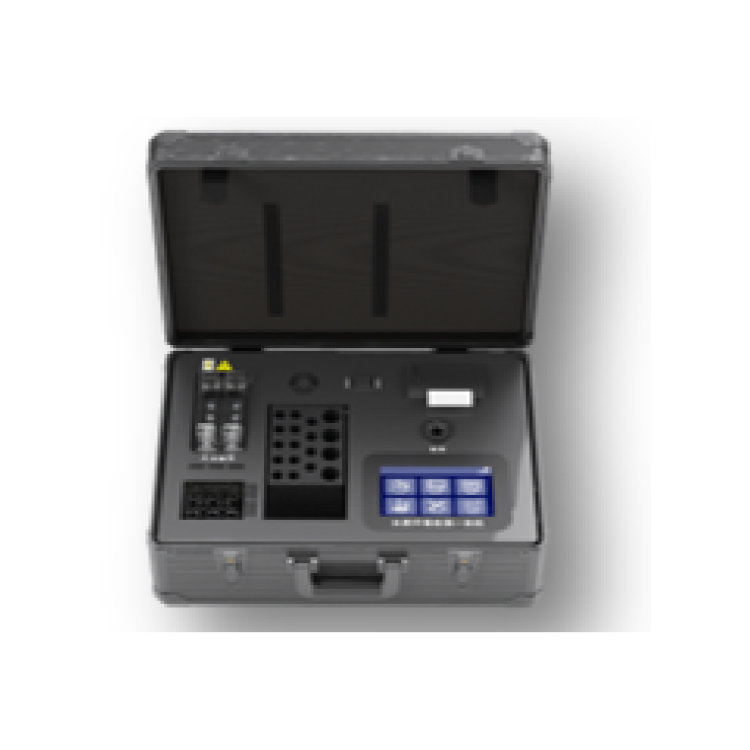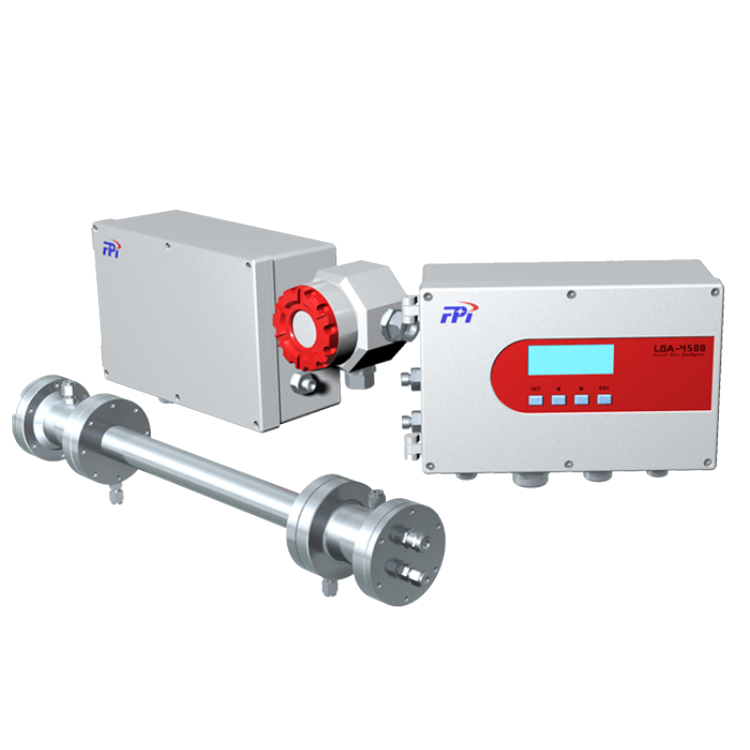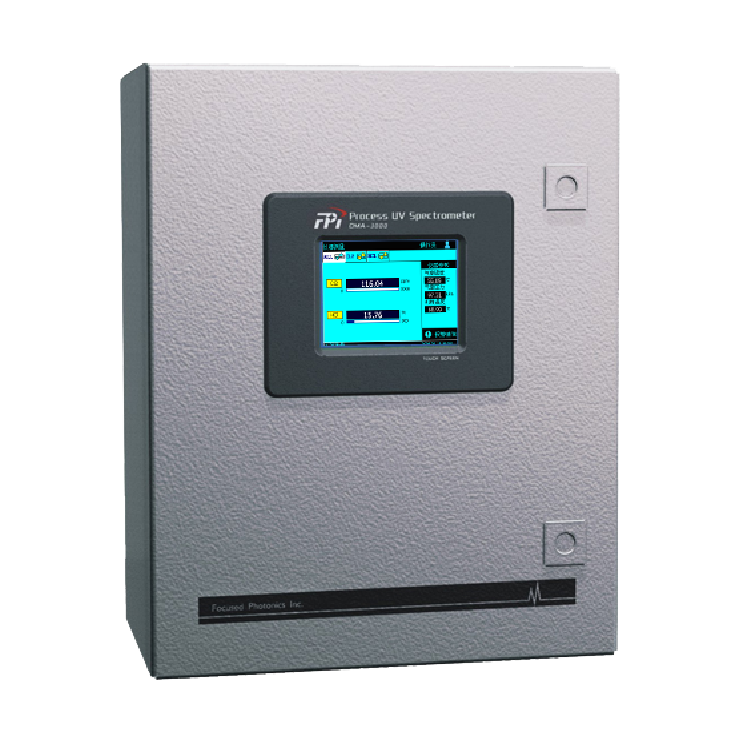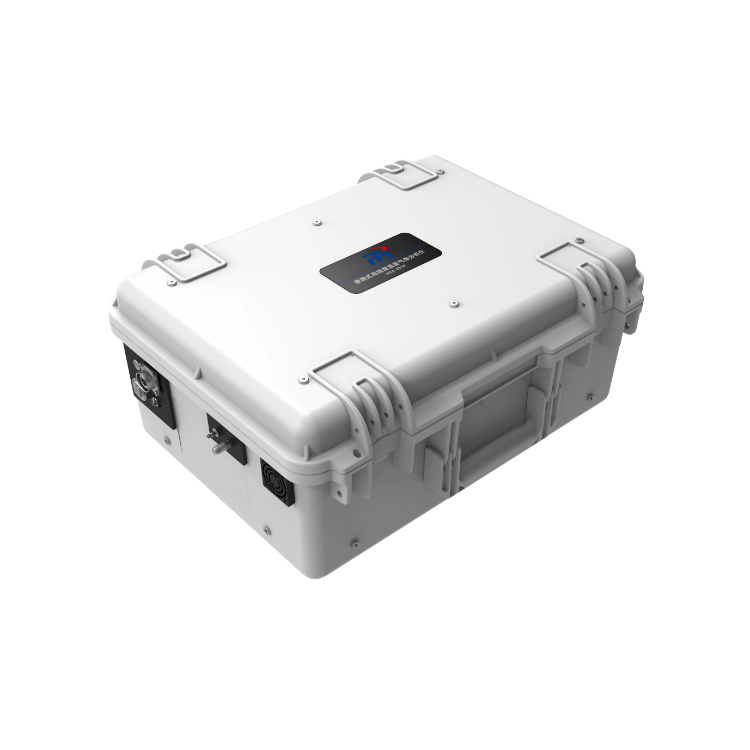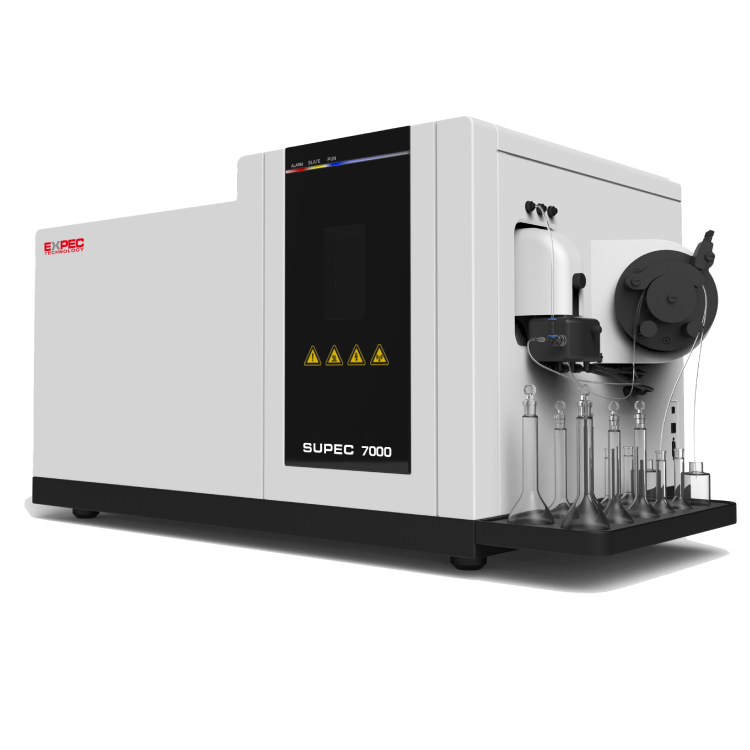
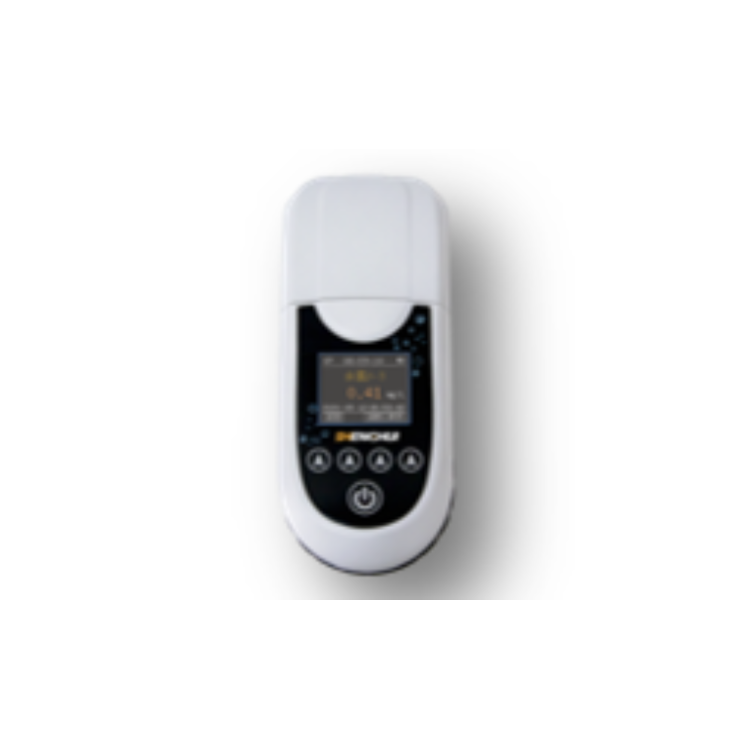
Analyseur portable

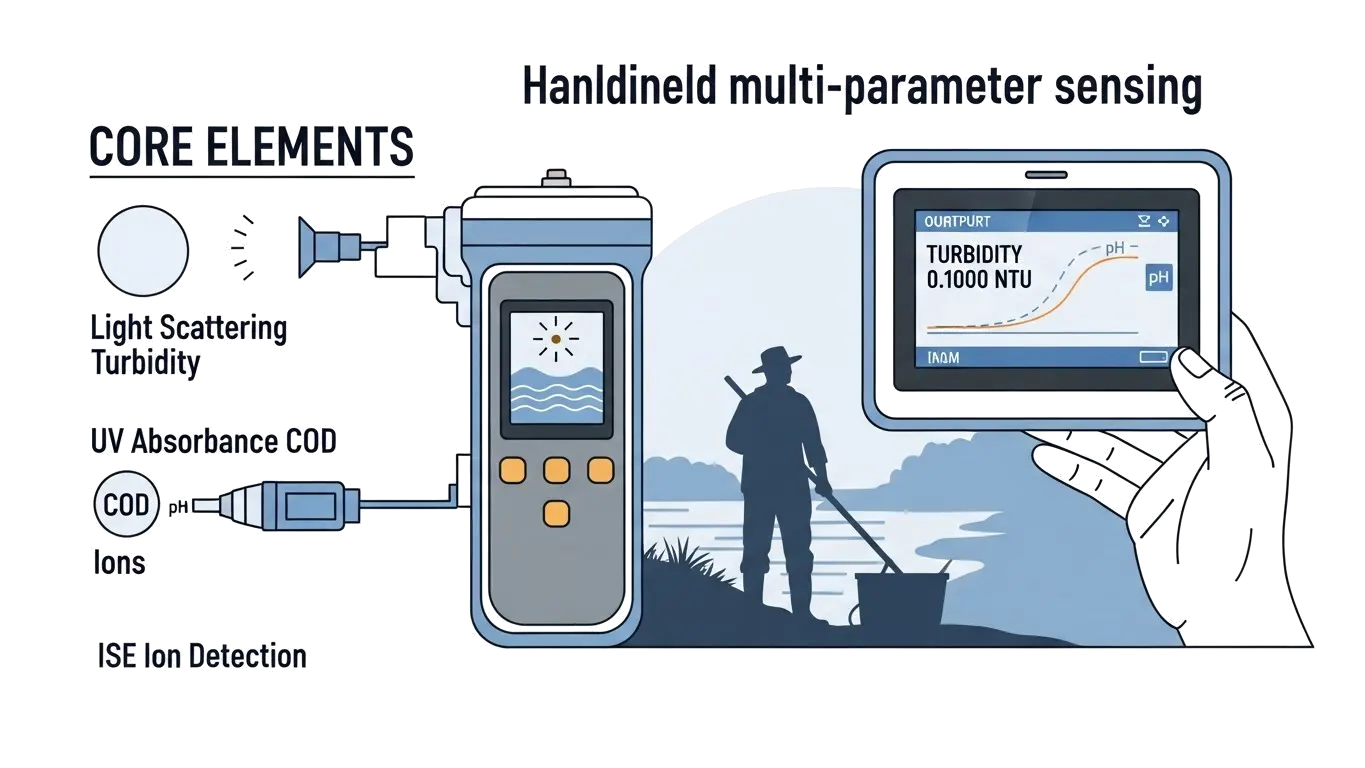
Focused Photonics Inc. (FPI) enables field-ready water assessment with its Portable Analyzer series, providing handheld, multi-parameter detection of turbidity, pH, COD, ammonia, and ions in rivers, lakes, and effluents. The SIA and portable series utilize light scattering, UV absorbance, and ISE technologies for compliance with ISO 7027, GB 3838-2002, and EPA Method 180.1.

Field Audit: Principles of Portable Detection

Portable analyzers quantify water parameters through miniaturized optics and electrochemistry for instant, on-site validation. FPI’s tools employ Nephelometric light scattering at 90° for turbidity (0-1000 NTU, ±1 NTU), UV absorbance at 254 nm for COD (0-500 mg/L, ±0.1 mg/L), and ISE for ions/pH (0-14, ±0.01), per ISO 7027.

Principles of Portable Detection

Evolved from 1990s pocket meters, these analyzers integrate GPS logging and Bluetooth for data sharing. FPI refines with anti-fouling probes and 8-hour batteries (-10°C to 50°C), ensuring <2% drift per GB 3838-2002. In 2025’s mobile monitoring surge, our portables fuse with apps for GIS mapping, informing EPA field audits and SDG 6 water access.

FPI Portable Analyzers in Field Action

FPI's portables equip 6,000+ field teams, with 1,500+ units deployed annually, enabling rapid ecosystem surveys.

These applications, via FPI’s IoT dashboards, support 5+ national water directives, advancing SDG 6.

FPI's Portable Vigilance: Precision in the Field

With 22 years of handheld innovation, 888+ patents, and IP67 certifications, FPI's analyzers prioritize mobility and accuracy, offering 30% faster readings than lab kits.

Paramètre Spectre
Field Resilience
Fusion de données
Éco-conception
Alliance mondiale

Field Foundations: Unpacking FPI's Portable Detection

FPI’s analyzers trace water signals through layered precision:

  1. Intake Preparation: Dip probe or pump sample, filtering particulates for clean optics.
  2. La synergie des capteurs: Scattering/UV/ISE modules quantify parameters in <30s.
  3. Raffinement des données: On-device AI compensates for temperature, outputting via Bluetooth.
  4. Insight Delivery: App dashboards map results, exporting to GIS for reports.

This portable pathway, shown in our handheld schematics, ensures vigilant field insights.

Table des techniques portables : Diversité de la détection de l'IPF


TechniqueParamètresSensibilitéAdaptation au déploiementAmélioration du FPI
Light ScatteringTurbidity1 NTURivièresRemise à zéro automatique pour une absence de dérive
Absorbance UVCOD0,1 mg/LEffluentsPortable LED source
ISEIons, pH0,05 mg/LPondsMiniaturized electrodes
Chemical DPDChlorine0.02 mg/LField testsReagent-free options
 

FPI’s portables power 2025’s mobile imperatives.

Ecosystem Catalysts: Broader Impacts of FPI Analyzers

FPI portables catalyze action: In spills, they cut exposure by 30%; in surveys, save 20% lab costs. With open apps and low-SWaP, our tools foster citizen science, refining 25% of field indices for SDG 6.

Requêtes portables : Six réponses sur le terrain

Comment les portables FPI atteignent-ils la précision NTU dans les rivières boueuses ?

La diffusion à 90° avec mise à zéro automatique corrige les bulles, en maintenant ±1 NTU conformément à la norme ISO 7027.

L'absorbance LED à 254 nm quantifie les substances organiques avec une précision de 90%, alimentée par batterie pendant 8 heures.

Les membranes rejettent le Cl- et atteignent ±0,05 mg/L pour le NH4+ conformément à la norme ISO 17294.

Le Bluetooth exporte la turbidité/COD vers les applications SIG, ce qui permet une identification plus rapide des hotspots.

Les ISE traçables au NIST produisent un biais <0,3 mg/L pour les métaux lourds, conformément à la norme EPA 200.7.

IP67 casings with 1m drop resistance sustain <2% drift in 50°C humidity, per ASTM D4169.

Demander un rappel

Si vous avez des questions concernant nos services, veuillez remplir le formulaire de contact ci-dessous.

Envoyez votre demande dès aujourd'hui

Remplissez le formulaire ci-dessous, et nous vous contacterons dans les plus brefs délais.
Coordonnées
Détails du projet