In recent years, mobile vehicle exhaust and industrial emissions of organic compounds VOCs are increasing, causing atmospheric photochemical smog pollution. Formaldehyde is highly reactive in the atmosphere, and it can generate HO2 radicals through photolysis, and HO2 radicals react rapidly with NO to generate OH radicals, so formaldehyde becomes an important source of atmospheric OH radicals.
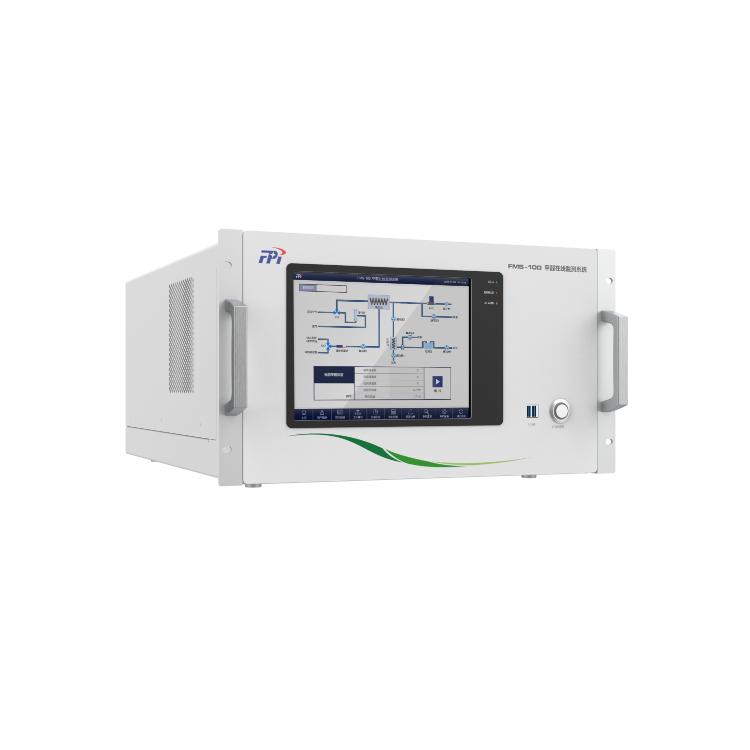
The FMS-100 detects formaldehyde in air based on the fluorometric method and the Hantzsch reaction principle. The reaction is carried out quantitatively. In the presence of ammonia, formaldehyde reacts with acetylacetone to produce 3,5-diacetyl-1,4-dihydropyridine (DDL), which is excited by UV and the concentration of formaldehyde is determined by monitoring the fluorescence intensity with a photomultiplier tube.