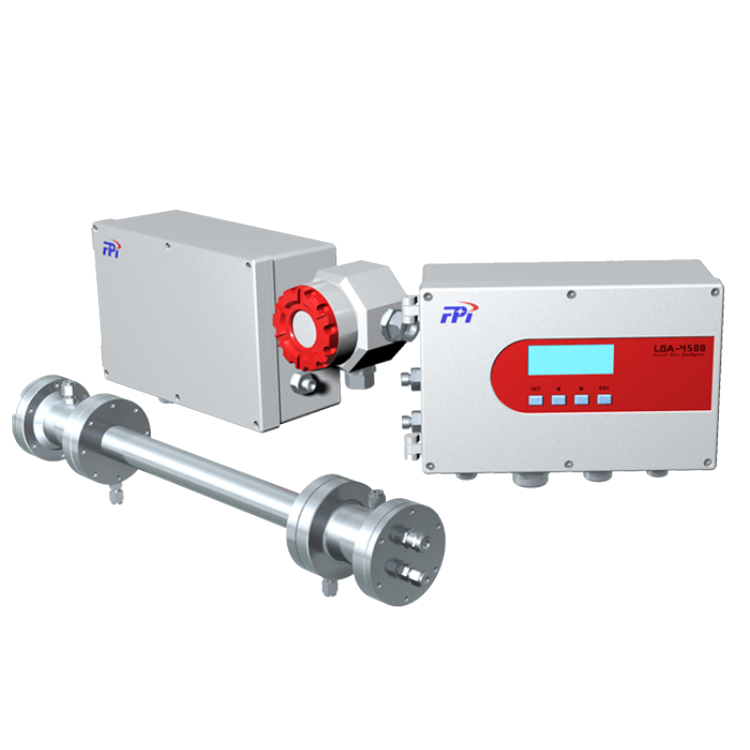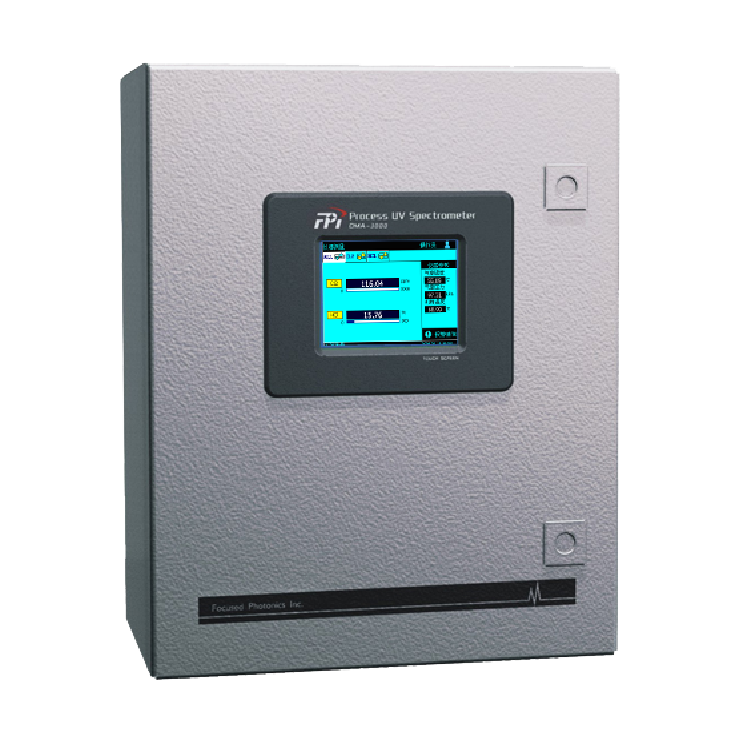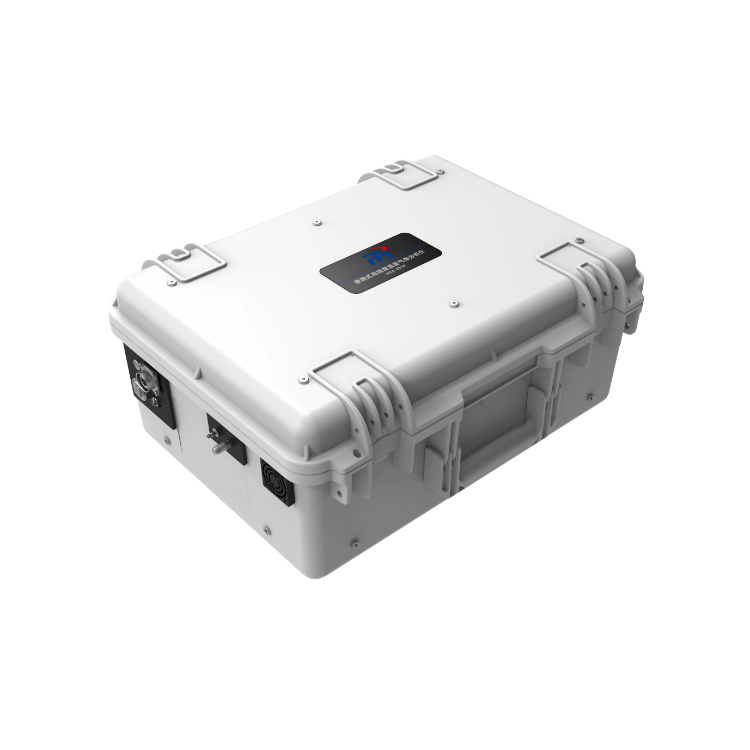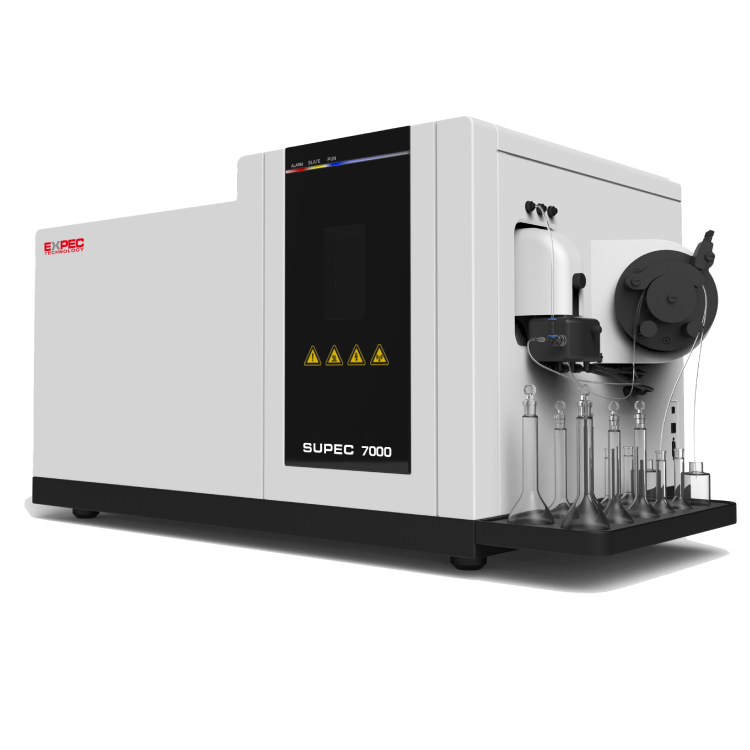
Portable Analyzer
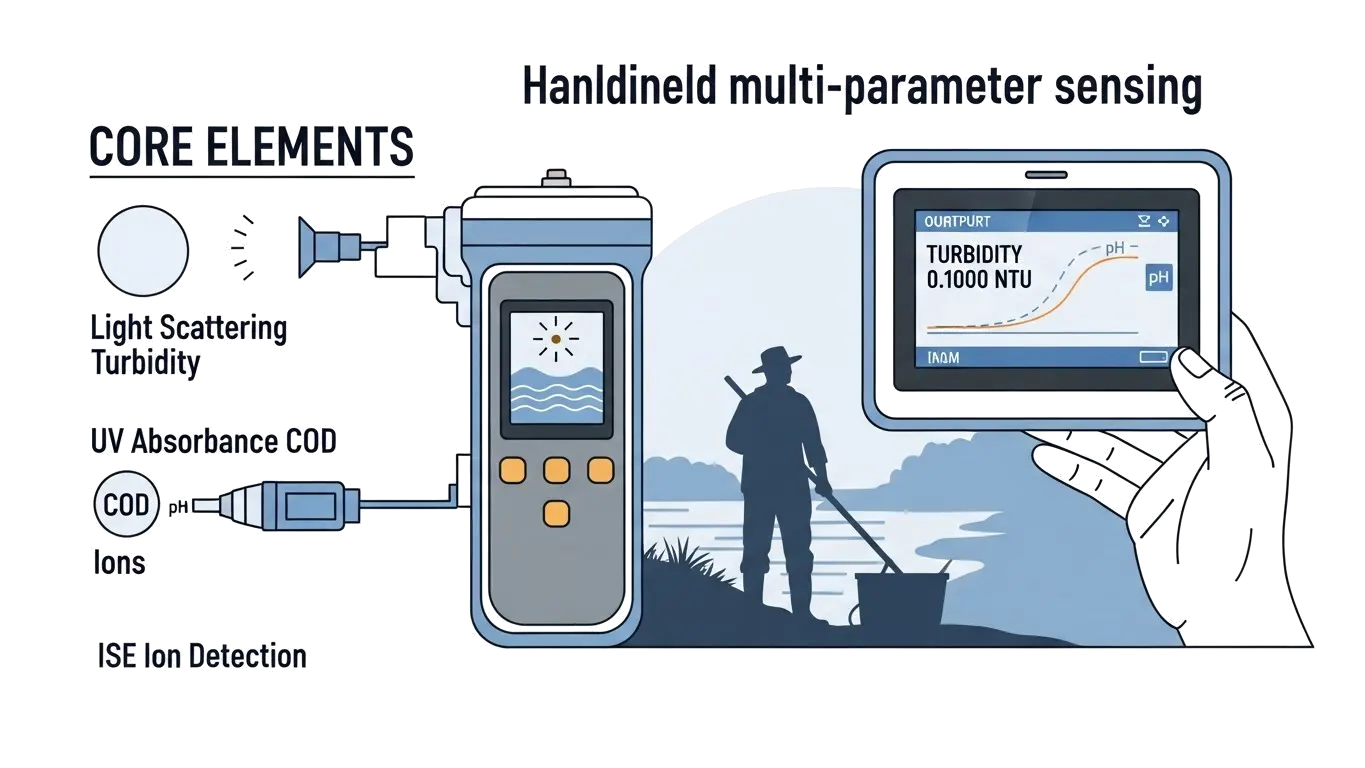
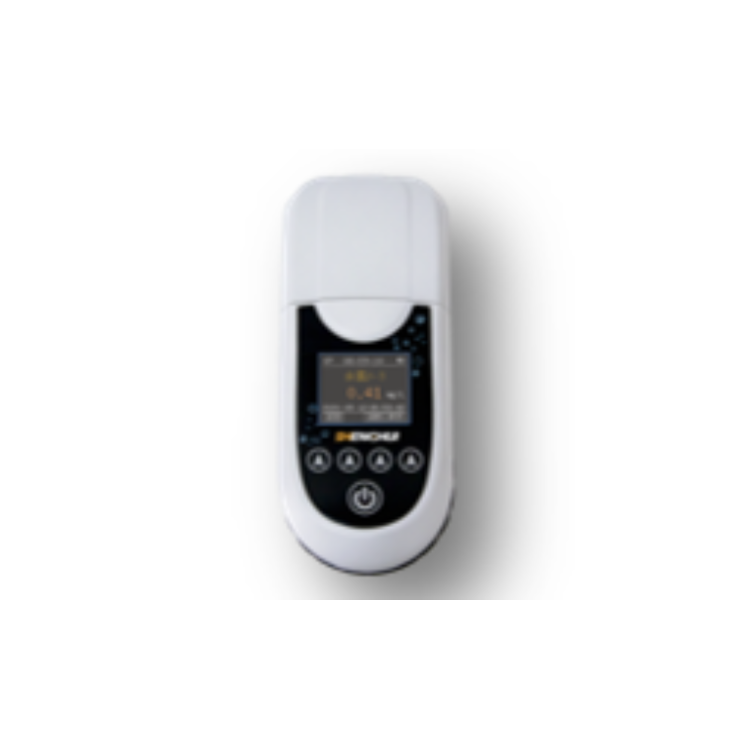
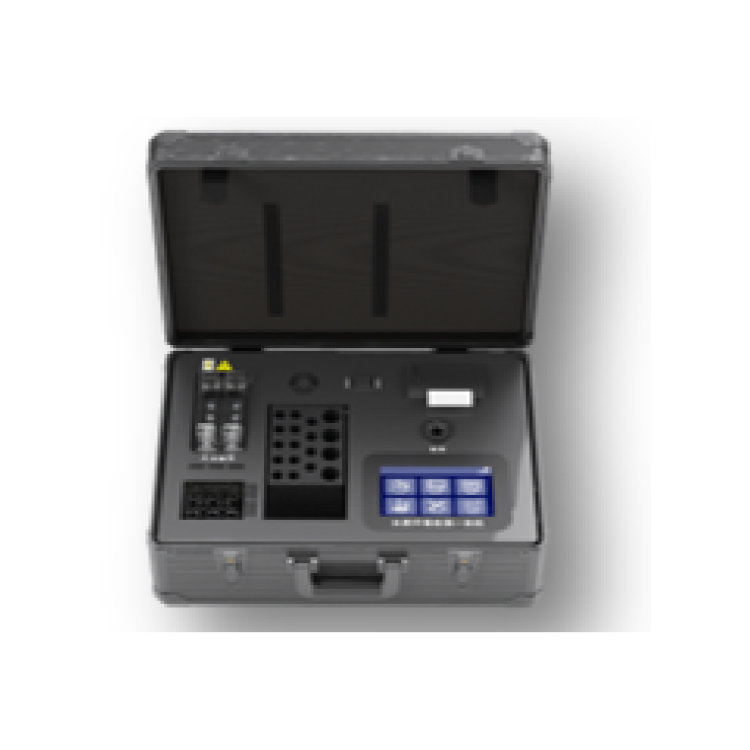
Focused Photonics Inc. (FPI) enables field-ready water assessment with its Portable Analyzer series, providing handheld, multi-parameter detection of turbidity, pH, COD, ammonia, and ions in rivers, lakes, and effluents. The SIA and portable series utilize light scattering, UV absorbance, and ISE technologies for compliance with ISO 7027, GB 3838-2002, and EPA Method 180.1.
Field Audit: Principles of Portable Detection
Portable analyzers quantify water parameters through miniaturized optics and electrochemistry for instant, on-site validation. FPI’s tools employ Nephelometric light scattering at 90° for turbidity (0-1000 NTU, ±1 NTU), UV absorbance at 254 nm for COD (0-500 mg/L, ±0.1 mg/L), and ISE for ions/pH (0-14, ±0.01), per ISO 7027.
Read MoreLess
Evolved from 1990s pocket meters, these analyzers integrate GPS logging and Bluetooth for data sharing. FPI refines with anti-fouling probes and 8-hour batteries (-10°C to 50°C), ensuring <2% drift per GB 3838-2002. In 2025’s mobile monitoring surge, our portables fuse with apps for GIS mapping, informing EPA field audits and SDG 6 water access.
FPI Portable Analyzers in Field Action
FPI's portables equip 6,000+ field teams, with 1,500+ units deployed annually, enabling rapid ecosystem surveys.
Portable turbidity analyzers map sediment loads in Amazon tributaries, reducing erosion risks by 20% through real-time profiling.
Handheld COD sensors detect organics in 30 seconds during industrial leaks, guiding containment per EPA SPCC.
ISE portables verify ammonia levels in shrimp farms, boosting yields by 15% via instant adjustments.
Multi-parameter units assess pH/ions in runoff, supporting 25% better urban planning per USGS protocols.
These applications, via FPI’s IoT dashboards, support 5+ national water directives, advancing SDG 6.
FPI's Portable Vigilance: Precision in the Field
With 22 years of handheld innovation, 888+ patents, and IP67 certifications, FPI's analyzers prioritize mobility and accuracy, offering 30% faster readings than lab kits.
Field Foundations: Unpacking FPI's Portable Detection
FPI’s analyzers trace water signals through layered precision:
- Intake Preparation: Dip probe or pump sample, filtering particulates for clean optics.
- Sensing Synergy: Scattering/UV/ISE modules quantify parameters in <30s.
- Data Refinement: On-device AI compensates for temperature, outputting via Bluetooth.
- Insight Delivery: App dashboards map results, exporting to GIS for reports.
This portable pathway, shown in our handheld schematics, ensures vigilant field insights.
Portable Techniques Table: FPI’s Detection Diversity
| Technique | Parameters | Sensitivity | Deployment Fit | FPI Enhancement |
|---|---|---|---|---|
| Light Scattering | Turbidity | 1 NTU | Rivers | Auto-zeroing for drift-free |
| UV Absorbance | COD | 0.1 mg/L | Effluents | Portable LED source |
| ISE | Ions, pH | 0.05 mg/L | Ponds | Miniaturized electrodes |
| Chemical DPD | Chlorine | 0.02 mg/L | Field tests | Reagent-free options |
FPI’s portables power 2025’s mobile imperatives.
Ecosystem Catalysts: Broader Impacts of FPI Analyzers
FPI portables catalyze action: In spills, they cut exposure by 30%; in surveys, save 20% lab costs. With open apps and low-SWaP, our tools foster citizen science, refining 25% of field indices for SDG 6.
Portable Queries: Six Field Answers
How do FPI portables achieve NTU accuracy in muddy rivers?
90° scattering with auto-zeroing corrects for bubbles, maintaining ±1 NTU per ISO 7027.
What UV role aids portable COD in remote effluents?
254 nm LED absorbance quantifies organics with 90% accuracy, battery-powered for 8 hours.
How does ISE handle ion selectivity in saline ponds?
Membranes reject Cl-, achieving ±0.05 mg/L for NH4+ per ISO 17294.
Can FPI analyzers sync with field apps for GPS mapping?
Bluetooth exports turbidity/COD to GIS apps, enabling 18% faster hotspot identification.
What calibration meets GB 3838-2002 for portable ions?
NIST-traceable ISEs yield <0.3 mg/L bias for heavy metals, per EPA 200.7.
How do FPI portables endure monsoon field surveys?
IP67 casings with 1m drop resistance sustain <2% drift in 50°C humidity, per ASTM D4169.
Request Callback
If you have any questions concerning our services, please fill out the contact form below.