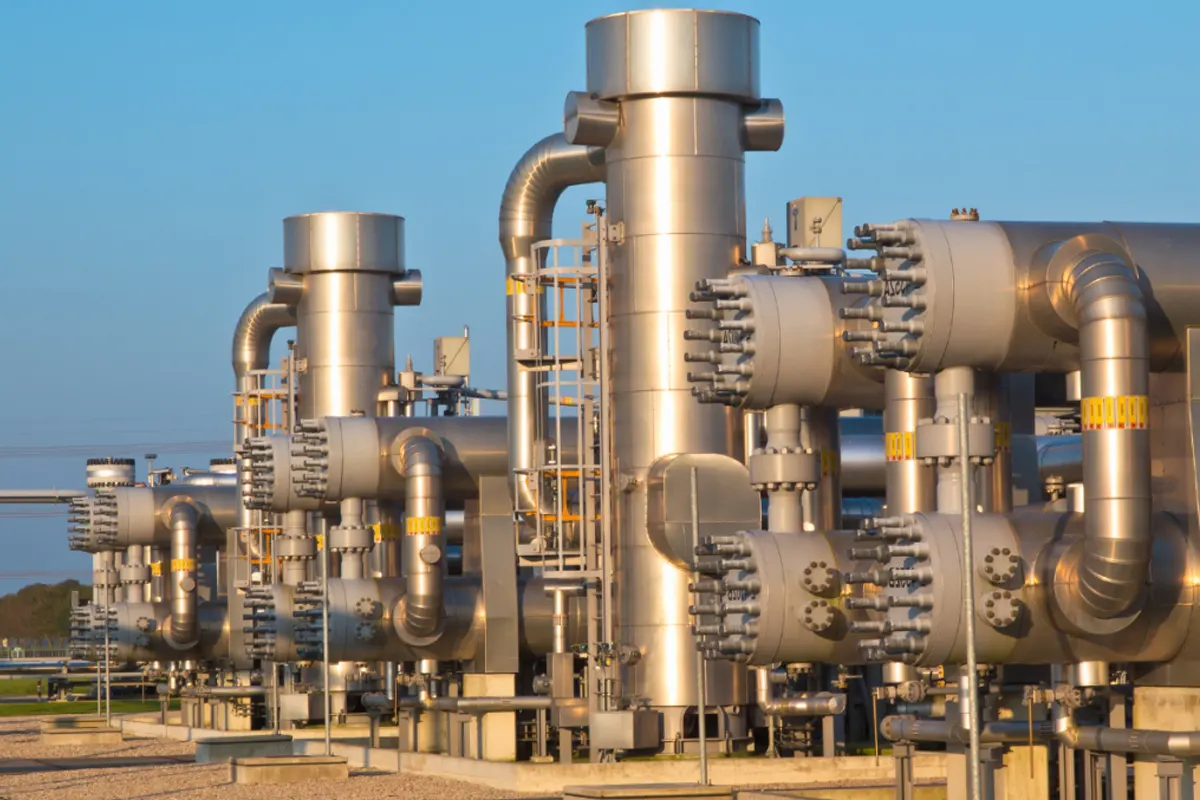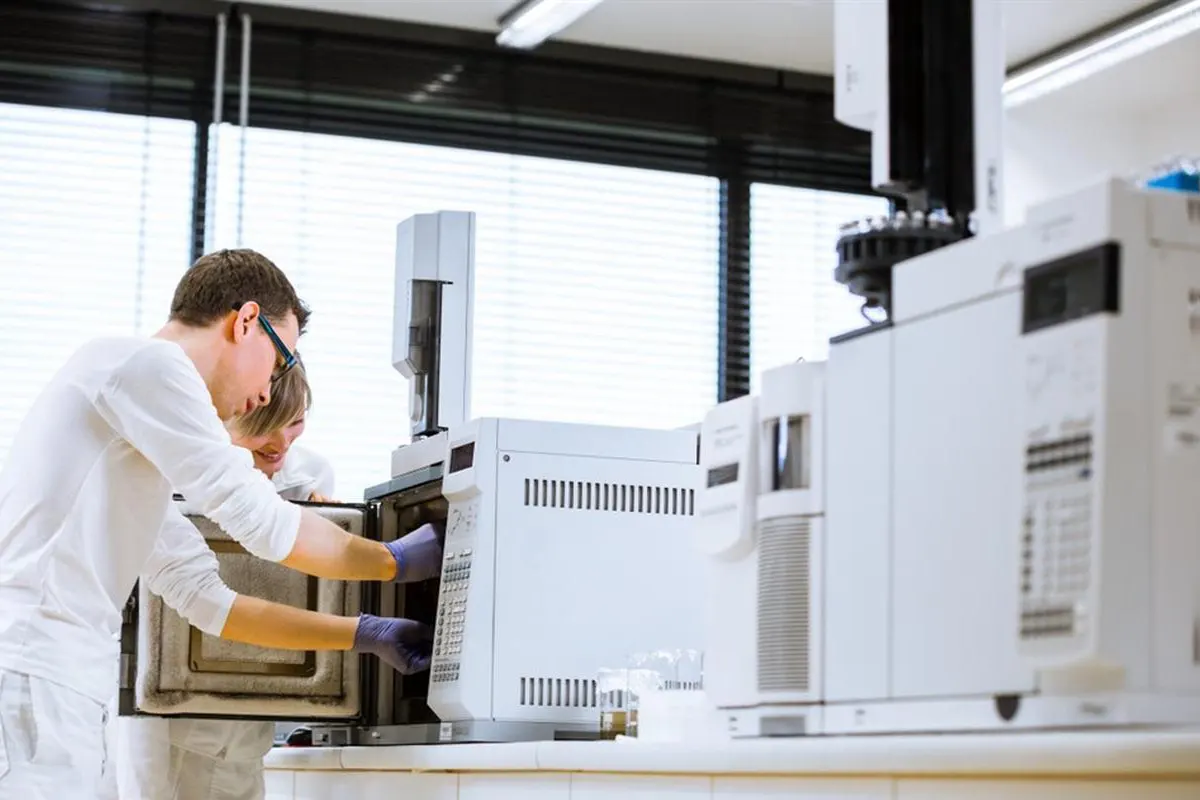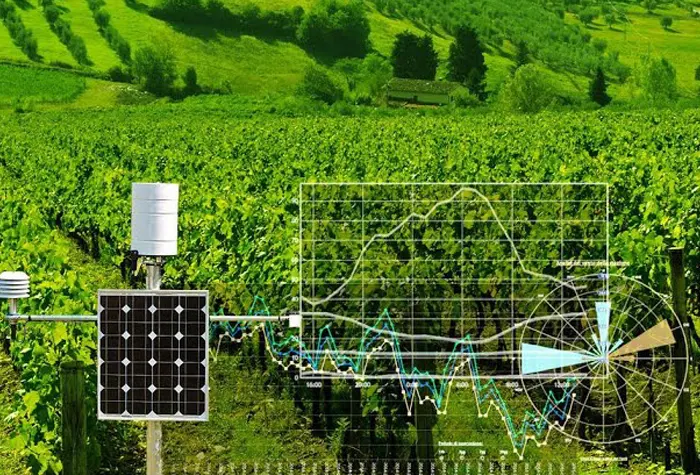
The coking process takes place in a coke oven that consists of heating coal to around 1000 – 1100 ℃ in the absence of oxygen to remove the volatile compounds. Once pushed out of the vessel the hot coke is then quenched with either water or air to cool it before storage or is transferred directly to the blast furnace for use in iron making. The volatile matter and moisture that are driven off during the coking process are collected, dried and cleaned. The resulting coke oven gas is recovered or transported for downstream use.
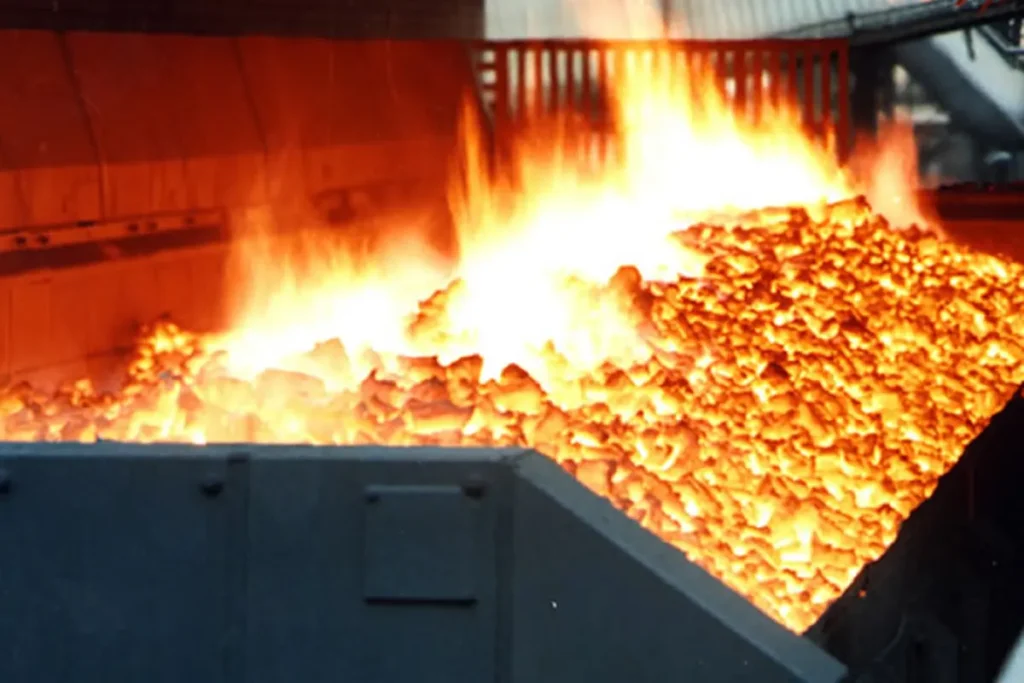
Our solutions monitor coke oven gas and CDQ circulating gas for recovery and safety.
FPI’s Laser Gas Analyzer (LGA) is seamlessly customized for this challenging application. The non-contact laser and sensor combined with continuous purge results in virtually maintenance free. Enhanced with FPI’s patented one-piece-half-open flange makes LGA the benchmark monitor for electrostatic tar precipitator, realizing minimum 70-80% laser transmittance given the extremely harsh condition. High-speed response (down to 1s) of the in-situ analyzer highlights its reliability for safety control. The extreme monochromaticity of laser spectrum ensures no cross-interference with all other gas species.
Coke oven flue gas: The gas produced in coking process mainly contains carbon monoxide(CO), methane(CH₄) and hydrogen(H₂). The presence of flammable and explosive gases requests a continuous monitoring of oxygen(O₂) for safe operation.
To control efficiency of the desulfurization tower needs a reliable measurement of Hydrogen sulfide(H₂S) before & after it.
Coke dry quenching (CDQ): The circulating gas used for cooling the red hot coke thereafter forms carbon monoxide(CO), carbon dioxide(CO₂) and carries oxygen(O₂), and possible hydrogen(H₂). Continuous monitoring of above gases helps reduce burning loss and ensure safe operation.
In coke ovens and CDQ, LGA detects CO, H2, CH4, and H2S with ppb precision, optimizing desulfurization for 98% efficiency and preventing explosions. Purge systems ensure zero maintenance, cutting downtime by 20% and complying with ISO 11047 for coke oven gas analysis.
Our methodical approach drives success
Review coke oven gas flows, desulfurization performance, and CDQ temperatures to spot recovery inefficiencies.
Adapt LGA for oven outlets or CDQ ducts, with ATEX certification and DCS linkage.
Install systems in 3-5 weeks with no interruption, including CH4 calibration and training.
Deliver 24/7 remote monitoring, yearly upgrades, and 2-year warranty for 99% reliability.
FPI transforms coke making by streamlining gas recovery and desulfurization with laser precision.
Additional metrics: 20+ years in gas analytics, 95% customer satisfaction, equipped 90+ coke ovens globally, in-situ laser for tar-heavy conditions.
Send Your Inquiry Today