Spectroscopy
Focused Photonics Inc. (FPI) illuminates the invisible with its advanced Spectroscopy Instruments, spanning ICP-OES, AES, LIBS, XRF, FTIR, NIR, and IR Thermal Imaging to decode elemental and molecular signatures with unparalleled clarity. Designed for rigorous scientific inquiry, our systems empower labs to accelerate discoveries in materials characterization, environmental profiling, and biomedical research. As the global spectrometry market hits USD 21.55 billion in 2025, expanding at a CAGR of 7.7% to 2030, FPI’s integrated platforms lead 2025 innovations like AI-driven spectral fusion and portable LIBS for on-site forensics, bridging lab precision with field agility.
Spectrum Unveiled: The Core Science of Spectroscopy
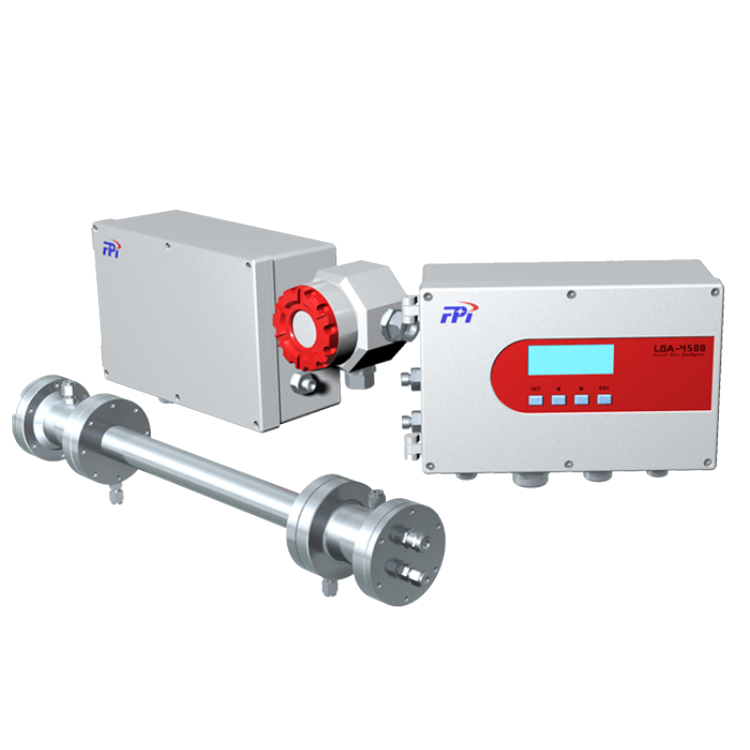
Thermal conductivity analyzers measure gas concentrations by detecting variations in a gas mixture’s ability to conduct heat. Each gas has a unique thermal conductivity—hydrogen, for instance, conducts heat seven times better than air—allowing precise differentiation in complex streams. FPI’s analyzers use a Wheatstone bridge with heated filaments or thermistors exposed to the sample gas. Changes in thermal conductivity alter filament temperature, shifting electrical resistance, which is converted into concentration data with sub-1% accuracy.
Read MoreLess
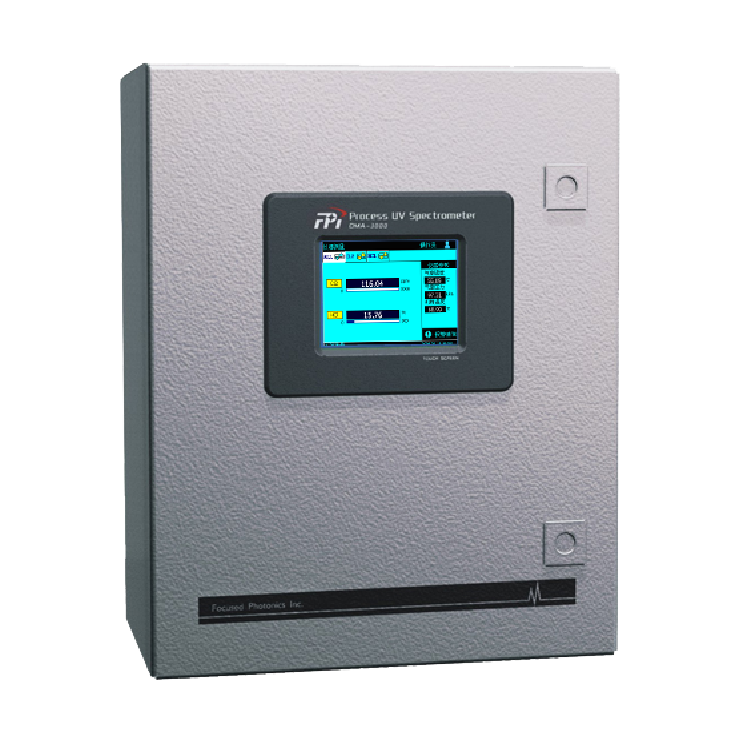
At its essence, spectroscopy follows quantum principles—atoms/molecules absorb/emit at discrete energies, producing unique spectral fingerprints. ICP-OES vaporizes samples in argon plasma (6,000–10,000 K), exciting atoms to emit line spectra for ppm-level elemental detection; LIBS pulses lasers to ablate surfaces, analyzing plasma emissions for rapid, non-destructive mapping. FTIR/NIR employs interferometry for multiplexed IR scans, resolving molecular bonds in organics.
Evolving from Fraunhofer’s 1814 lines to today’s hyperspectral arrays, FPI advances this with hybrid NIR-XRF for coal quality or FT-NIR/FTIR for biofilm analysis, aligning with 2025’s green analytical chemistry ethos—solvent-free, waste-minimizing techniques. Whether quantifying trace metals in alloys or identifying adulterants in pharmaceuticals, FPI delivers <0.1% relative precision, turning raw spectra into interpretable insights
FPI Spectroscopy in Scientific Domains
FPI's spectrometers fuel over 4,000 global labs, with 1,200+ units annually, translating spectral data into transformative outcomes across disciplines.
XRF/LIBS map elemental distributions in semiconductors, detecting dopants at ppb scales for next-gen chips. A 2024 collaboration with Tsinghua University used FPI LIBS for alloy defect imaging, enhancing fabrication yields by 15%.
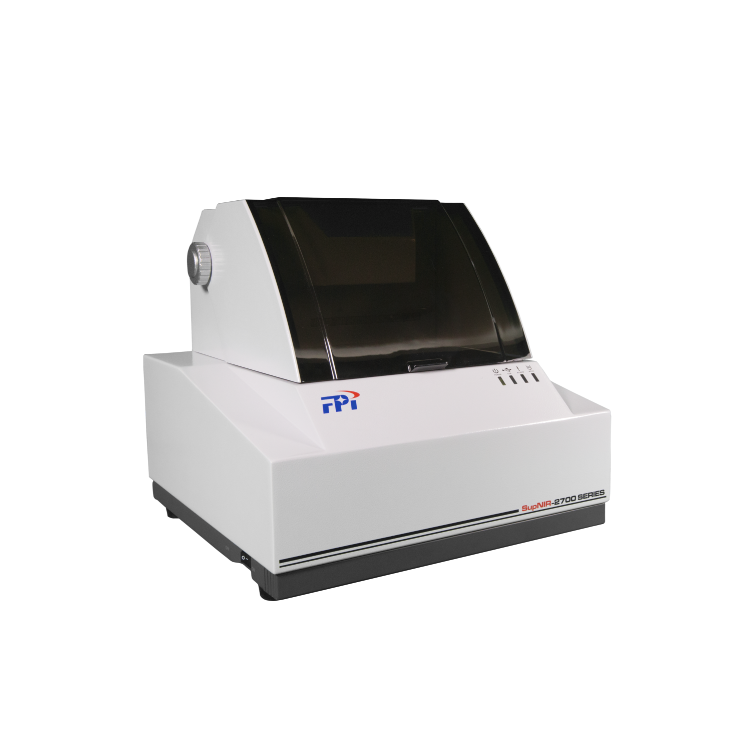
FTIR/NIR profiles drug polymorphs and tissue biomarkers, accelerating formulation. In a COVID-era study, our IR thermal imaging integrated with FTIR for viral protein mapping, expediting vaccine development timelines.
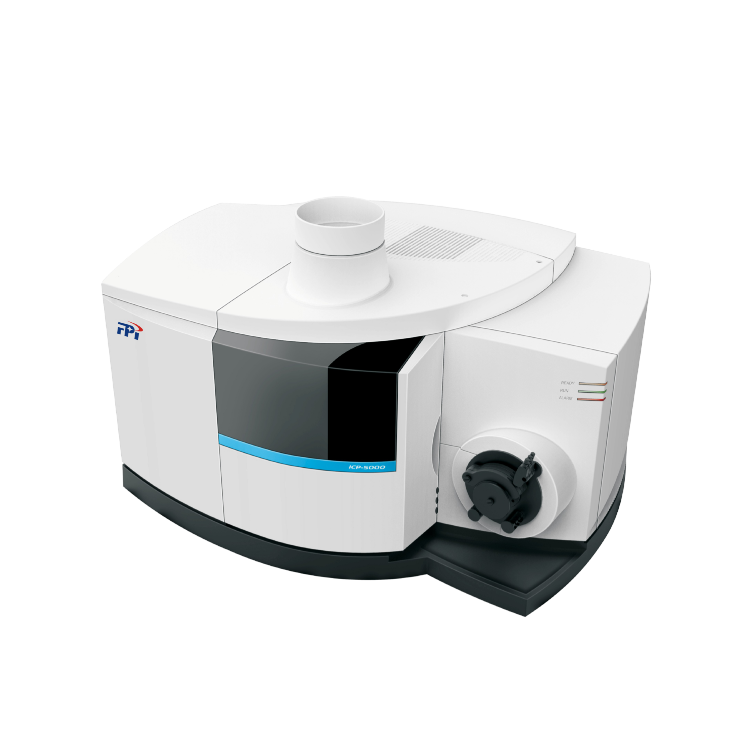
ICP-OES/AES quantify pollutants in sediments, supporting EPA compliance. FPI's portable NIR for soil carbon assessment aided a Belt and Road reforestation project, optimizing nutrient strategies with 20% greater accuracy.
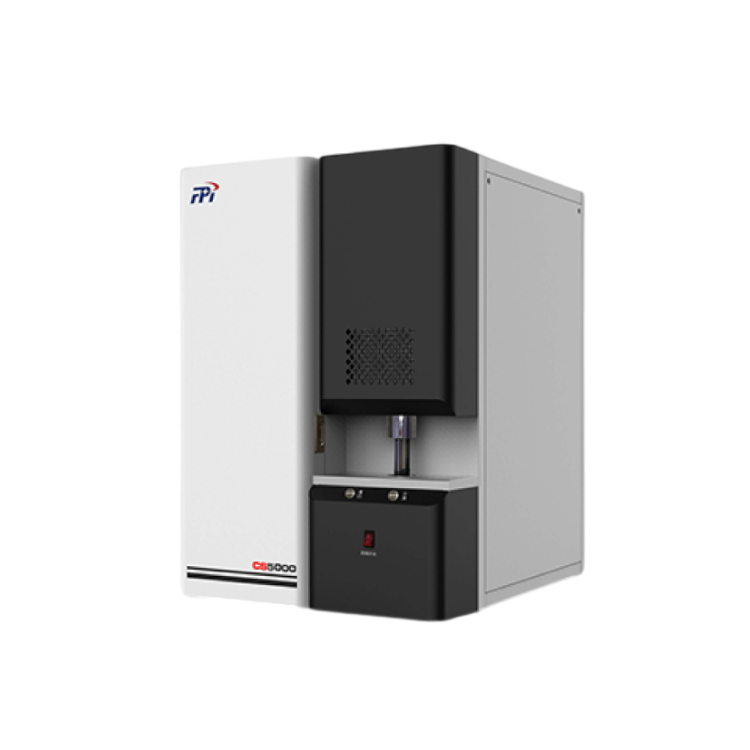
LIBS delivers rapid, in-situ contaminant screening in grains, aligning with green principles by eliminating solvents. Emergency vehicles equipped with our XRF enable on-scene alloy authentication, a 2025 staple for forensic efficiency.
These integrations, bolstered by FPI’s spectral databases, amplify research velocity by 25%, from hypothesis to validation.
FPI's Spectral Edge: Empowering Scientific Excellence
Rooted in 22 years of optical mastery, 888+ patents, and national platforms, FPI's spectrometers prioritize versatility and user-centric design, offering 30% higher resolution than standard configurations.
Radiant Revelations: Demystifying FPI's Spectroscopic Processes
FPI spectrometers orchestrate light-matter dialogues through tailored pathways:
- Excitation Ignition: Lasers (LIBS) or plasmas (ICP-OES) energize samples, prompting photon release or absorption.
- Spectral Capture: Detectors—CCD arrays for LIBS, interferometers for FTIR—record intensities across wavelengths.
- Signal Symphony: Fourier transforms (FTIR) or line deconvolution (AES) extract peaks, calibrated against standards.
- Insight Illumination: Multivariate chemometrics reveal patterns, exported as interactive 3D spectra.
This luminous logic, rendered in our dynamic ray-tracing visuals, demystifies complexity for seamless adoption.
Spectroscopic Spectrum: FPI’s Technique Tableau
| Technique | Wavelength Range | Resolution | Prime Pursuits | FPI Flourish |
|---|---|---|---|---|
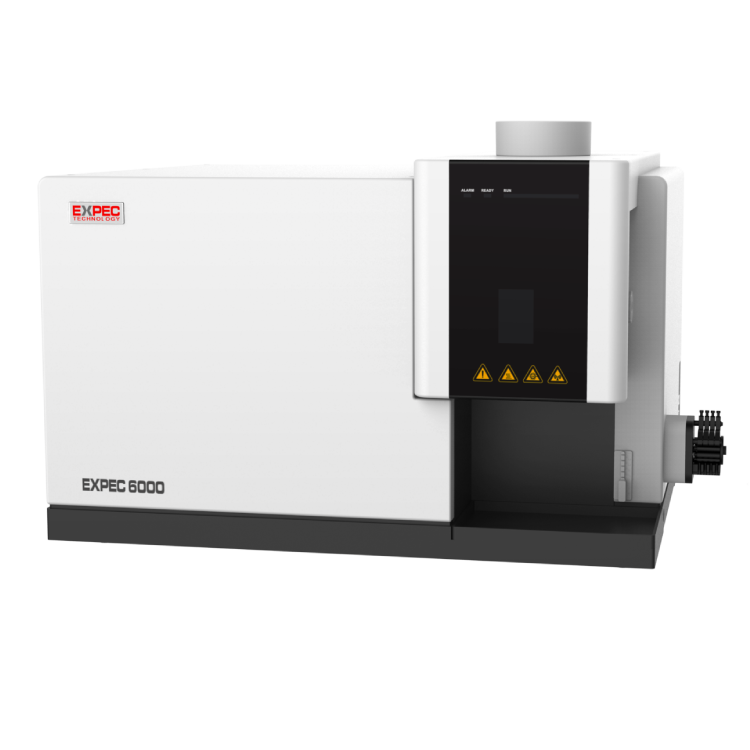
| ICP-OES/AES | UV-Vis (200-800 nm) | 0.01 nm | Elemental alloys | Plasma stability for 72 elements |
| LIBS | UV-Vis-NIR (200-1100 nm) | 0.1 nm | Surface mapping | Portable ablation for forensics |
| XRF | X-ray (0.01-10 keV) | 5 eV | Bulk composition | Handheld for geoscience |
| FTIR/NIR | Mid/Far IR (4000-400 cm⁻¹) | 0.5 cm⁻¹ | Molecular bonds | Hyphenated for biofilms |
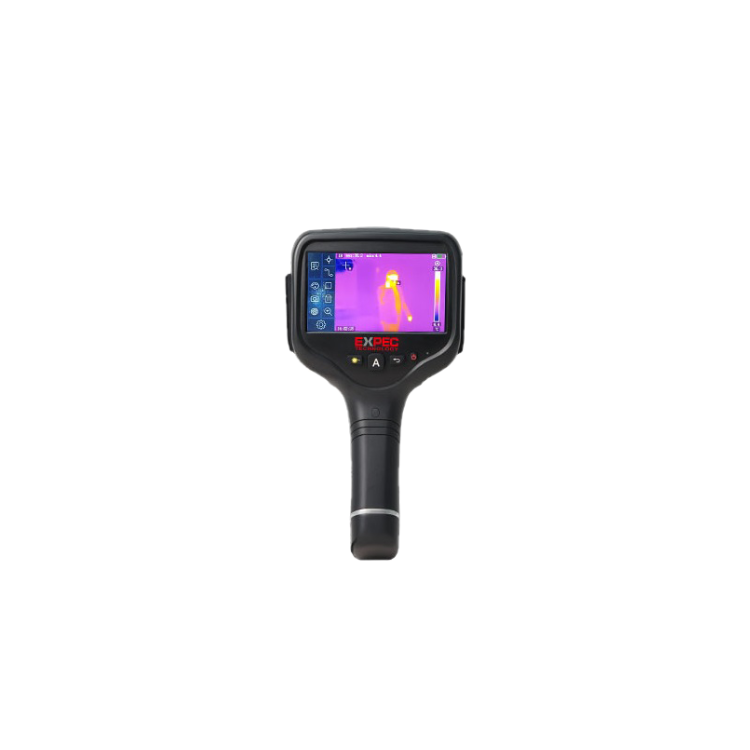
| IR Thermal Imaging | Thermal IR (8-14 μm) | 0.1 K | Defect thermography | Real-time for R&D prototyping |
FPI’s bouquet blooms for 2025’s interdisciplinary quests.
Process Catalysts: Broader Impacts of FPI Chromatography
FPI instruments transcend measurement to inspire: In nanotech, they unveil quantum dot defects for brighter displays; in ecology, they trace isotope fluxes for biodiversity models. With solvent-free LIBS and AI-accelerated NIR, our tools champion green science, yielding 40% workflow efficiencies over legacy methods.
Six Essential Mass Spectrometry Explorations
How does FPI's LIBS advance non-destructive artifact analysis in archaeology?
Portable LIBS with femtosecond pulses minimizes sample ablation (<1 μg), enabling in-situ pigment mapping without relocation, preserving cultural heritage.
What software ecosystems enhance FPI FTIR for polymer degradation studies?
Our OMNIC-compatible suites integrate with MATLAB for kinetic modeling, simulating degradation pathways to predict material longevity under stress.
How can XRF spectrometers from FPI support battery recycling initiatives?
Handheld XRF identifies Li/Co/Ni ratios in spent cells with <0.5% error, optimizing sorting for 95% recovery rates in circular supply chains.
In what ways do NIR innovations from FPI aid precision agriculture?
Multispectral NIR probes soil moisture and nutrient gradients in real-time, guiding variable-rate fertilization to boost yields by 15-20% sustainably.
How does AES integration with FPI systems facilitate semiconductor yield optimization?
Surface-sensitive AES profiles oxide layers at Ångström resolution, correlating defects to process drifts for 10% fab efficiency gains.
What role do FPI's thermal IR imagers play in non-invasive medical diagnostics?
High-contrast thermal mapping detects inflammation hotspots via subcutaneous perfusion changes, supporting early disease detection in telemedicine.
Request Callback
If you have any questions concerning our services, please fill out the contact form below.