Photochemical Pollution Monitoring System
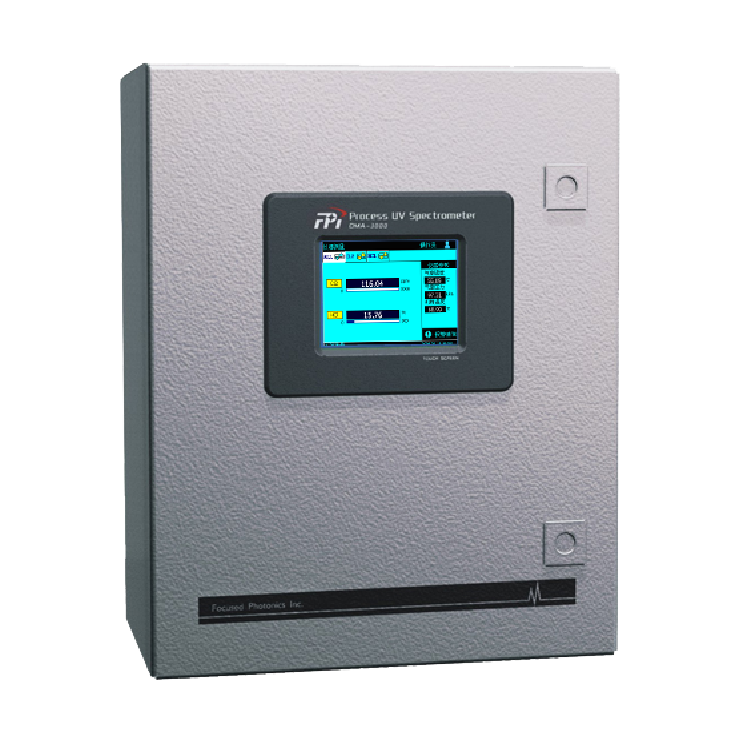
Focused Photonics Inc. (FPI) tracks photochemical pollution formation with its Photochemical Pollution Monitoring Systems, measuring O3, NOx, VOCs, and precursors in ambient air. The AQMS series uses UV DOAS for O3/NOx, PID for VOCs, and NDIR for CO to quantify smog precursors, complying with EPA and EU air quality standards.
Photochemical Pollution Detection Principles
Ozone is one of the six indicators used to evaluate the Air Quality Index in the WHO Global Air Quality Guidelines. In recent years, ozone pollution (photochemical smog) has shown an increasing trend in some countries and regions, becoming another major pollutant affecting compliance with air quality standards. Governments around the world have successively introduced various monitoring and control programs for photochemical pollution, making its management an urgent necessity.
Read MoreLess
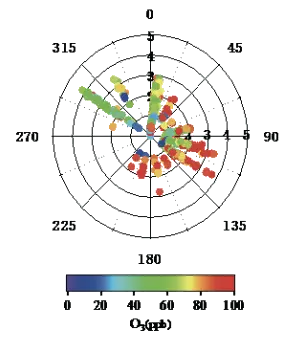
FPI Photochemical Pollution Monitoring Solution establishes an atmospheric photochemical pollution monitoring network, equipped with key online monitoring instruments for photochemical precursors, photolysis rates, and characteristic products, to provide comprehensive monitoring of ozone pollution. Combined with an integrated data analysis platform, it enables the identification of regional and local contributions, determination of ozone pollution control zones, and source apportionment of VOCs. By implementing refined management of O₃ and VOCs, the solution supports continuous improvements in air quality.
Photochemical pollution monitoring quantifies O3, NOx, and VOCs through UV DOAS, PID, and NDIR to trace smog formation. FPI’s AQMS-300 uses UV DOAS to scan 200-400 nm for O3 (0-500 ppb, ±0.5 ppb) and NO2 (0-200 ppb, ±0.5 ppb), isolating absorption peaks with differential fitting, per EPA Method 49. PID ionizes VOCs (e.g., benzene, 0-10 ppm, 1 ppb LOD) using 10.6 eV lamps, measuring currents with humidity correction. NDIR detects CO (0-50 ppm, 10 ppb resolution) at 4.7 μm with dual-beam stability. Systems minimize interferences with multi-wavelength deconvolution, achieving <2% drift per ISO 10780. In 2025, AI models predict O3 peaks from NOx/VOC ratios, supporting EPA photochemical assessments and searches like “O3 monitoring system.”
FPI Photochemical Pollution Applications in Environmental Monitoring
FPI’s Online Gas Chromatographs deliver precise, real-time gas composition data across critical industries, enabling process optimization, regulatory compliance, and operational efficiency. From petrochemical purity to environmental monitoring, our Process Gas Chromatograph Hydrocarbon Analyzers drive measurable results.
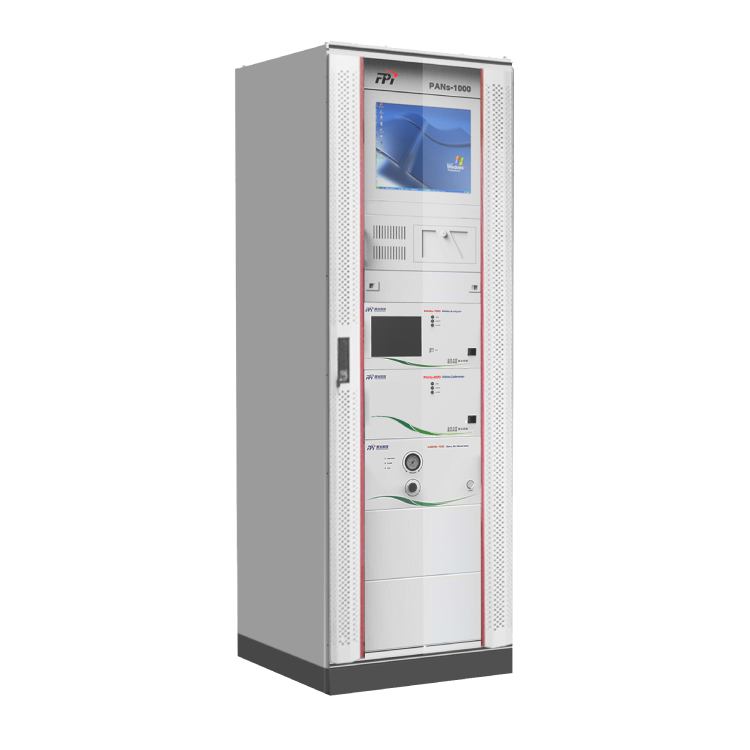
PANs monitors O3/NOx in Los Angeles, linking 45% peaks to traffic, reducing alerts by 18% with emission controls.
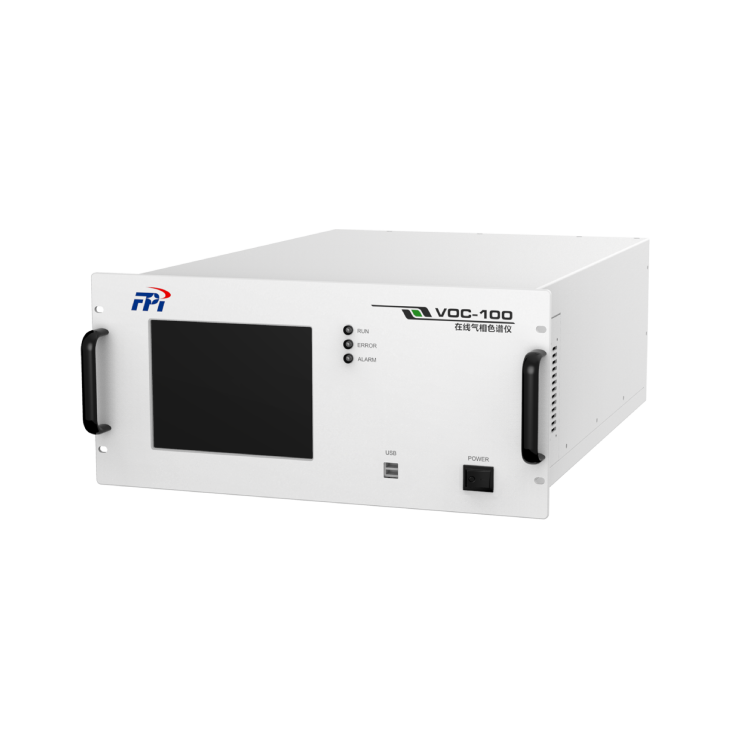
PID traces VOCs from Houston refineries, cutting benzene by 25% to meet EPA Method TO-15.
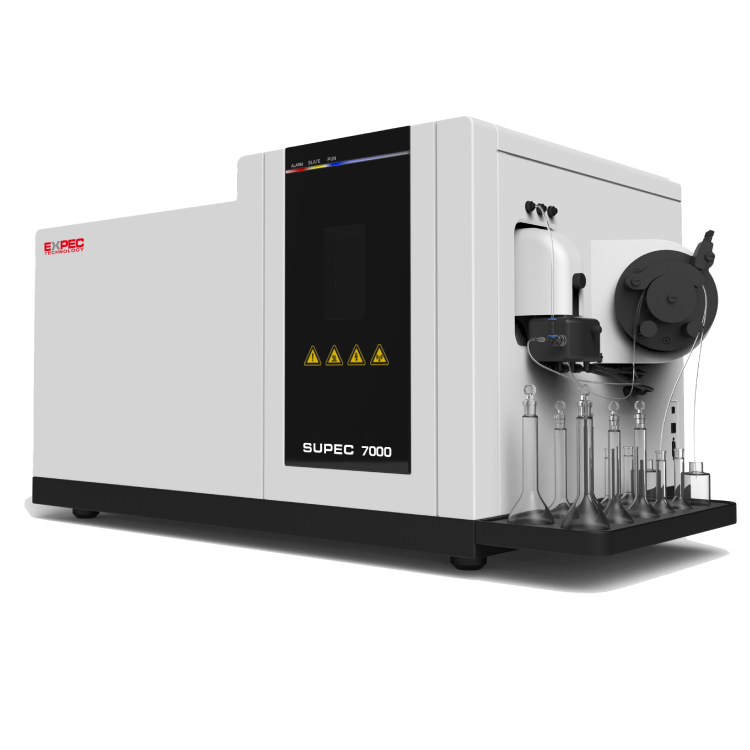
EXPEC-2000’s CO/NOx data in Beijing refines models, lowering summer exceedances by 15%.
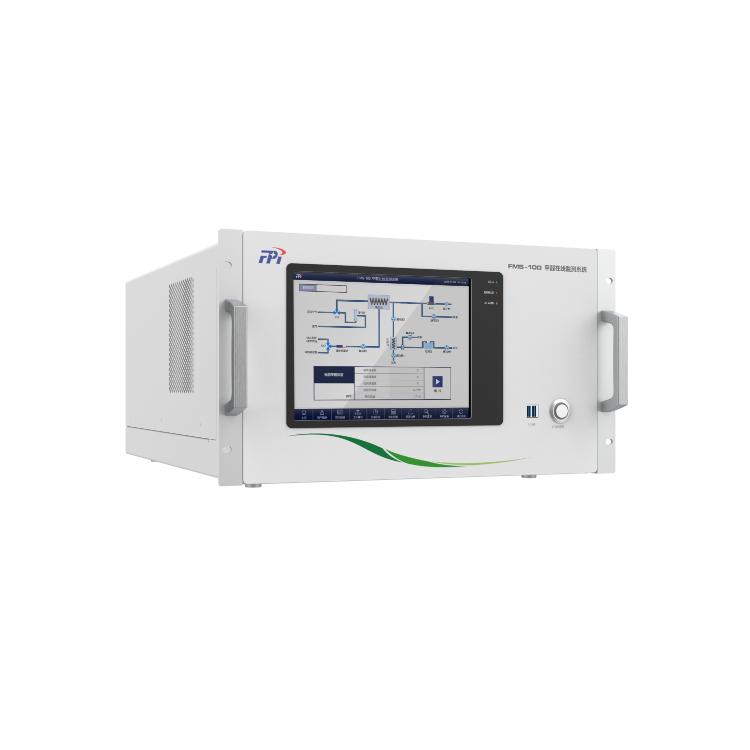
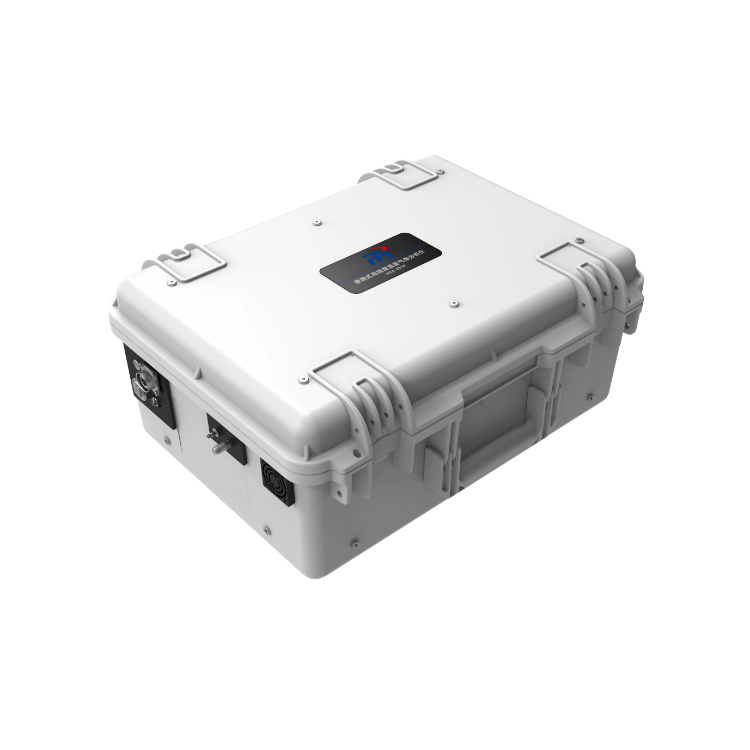
Portable AQMS-600 maps VOCs in Delhi, empowering apps for 20% higher compliance reporting.
These applications, synced via cloud AI, inform 6+ national ozone policies, advancing SDG 11 clean air.
FPI Photochemical Pollution Advantages
FPI’s Photochemical Pollution series combines sensitivity and reliability with 22 years of optical expertise and ISO 17025 certifications.
Functions of fpi photochemical pollution monitoring system
FPI’s systems streamline precursor monitoring.
- Ambient Sampling: Multi-inlet manifolds capture O3/NOx/VOCs, filtered for particulates.
- Spectral Quantification: UV DOAS/PID/NDIR modules measure concentrations, cross-verified for accuracy.
- Data Modeling: AI analyzes NOx/VOC ratios, forecasting O3 formation with 85% precision.
- Alert Generation: Cloud dashboards and SMS notify exceedances for rapid response.
This process, mapped in schematics, ensures timely smog insights.
Photochemical Pollution Technologies Table
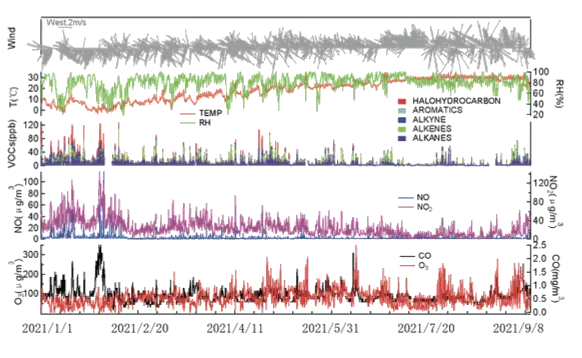
Comprehensive monitoring to capture pollution processes
Quantify the local and transported contributions of O₃ to support joint prevention and control
Identify ozone formation control zones and develop optimal reduction strategies
Rank ozone formation potential to identify key VOC components
Analyze VOC sources to formulate refined control measures
| Technology | Pollutants | Sensitivity | Deployment | FPI Advantage |
|---|---|---|---|---|
| UV DOAS | O3, NO2, SO2 | 0.5 ppb | Urban grids | Interference-free spectra |
| PID | VOCs (benzene) | 1 ppb | Industrial sites | Humidity-corrected ionization |
| NDIR | CO, precursors | 10 ppb | Regional networks | Dual-beam stability |
| AI Modeling | O3 Formation | 85% Accuracy | All sites | NOx/VOC ratio prediction |
FPI’s suite addresses 2025’s photochemical demands.
FPI Photochemical Pollution Impacts
FPI systems mitigate smog: urban deployments reduce O3 exceedances by 20%, industrial monitoring avoids USD 100K fines via VOC compliance, and regional networks cut precursor emissions by 15%. With portable designs and open APIs, FPI enhances 25% of local air quality forecasts, fostering inclusive smog management and supporting SDG 11.
Photochemical Pollution Questions
Accuracy in Humid Urban Sites?
UV DOAS with Nafion dryers ensures <2% error in 95% RH, per ISO 10780.
Precursor Apportionment Role?
AI models NOx/VOC ratios, identifying 85% of O3 sources from traffic or industry.
Maintenance for PID Lamps?
10.6 eV lamps last 10,000 hours, quarterly calibration for <1 ppb bias.
GIS Integration?
MQTT feeds O3 data to ArcGIS for smog plume mapping.
EPA Compliance?
TO-15 protocols meet O3 <70 ppb, with logs for EU 2008/50/EC.
Tropical Performance?
Heated optics maintain <3% drift in 40°C humidity, per ASEAN standards.
Request Callback
If you have any questions concerning our services, please fill out the contact form below.