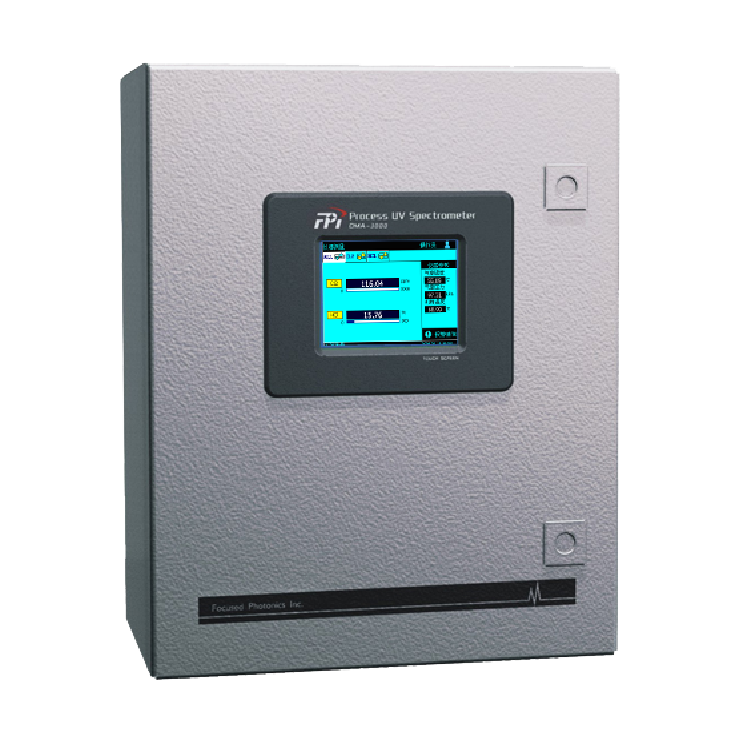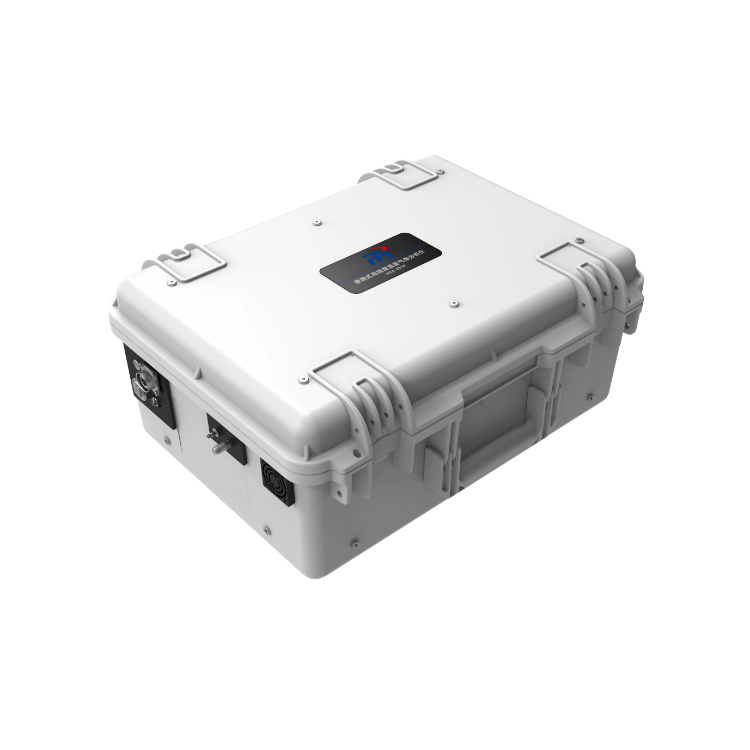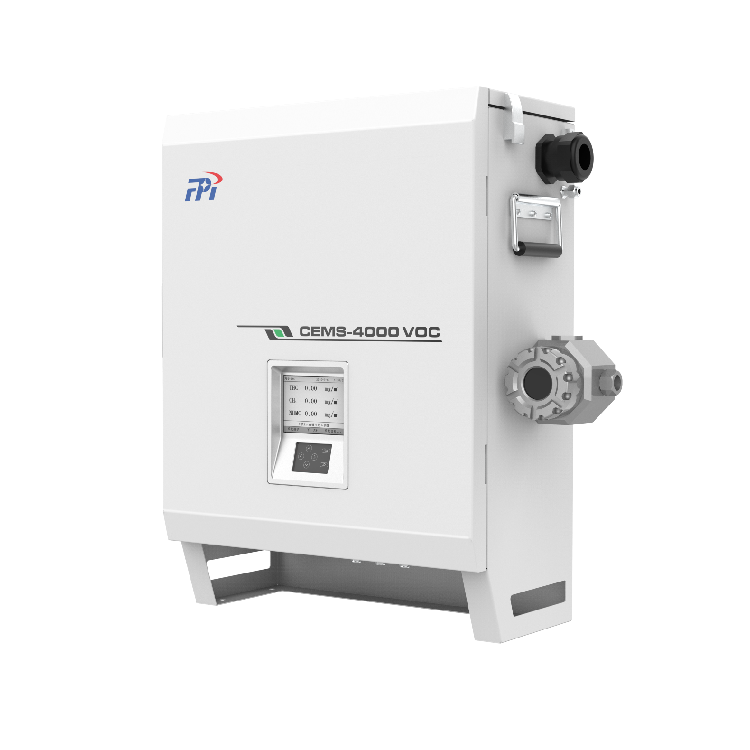
Industrial Leak Detector
Focused Photonics Inc. (FPI) redefines industrial safety with its state-of-the-art Industrial Leak Detectors, engineered to identify combustible, toxic, and volatile organic compound (VOC) leaks with unmatched precision and speed. By integrating catalytic combustion, electrochemical, photoionization (PID), and infrared (IR) technologies, our detectors provide a comprehensive, one-stop solution for high-risk environments. With the global gas detection market projected to reach USD 5.60 billion in 2025, growing at a CAGR of 6.7% through 2032, FPI’s rugged, multi-technology systems lead the charge in addressing 2025’s safety demands, including hydrogen infrastructure monitoring and IoT-driven fleet management.
How Industrial Leak Detectors Safeguard Operations
Industrial leak detectors are critical sentinels, rapidly identifying gas leaks to prevent explosions, health hazards, and environmental damage. FPI’s portfolio employs a multi-principle approach:
Read MoreLess
Catalytic Combustion: Detects flammable gases (e.g., CH4, H2) by catalyzing oxidation on a heated bead, measuring heat changes for 0-100% LEL coverage.
Electrochemical: Quantifies toxic gases (e.g., CO, H2S, O2) via selective redox reactions, achieving ppm-level sensitivity for confined spaces.
Photoionization (PID): Targets VOCs and select inorganics with ppb precision using UV ionization, ideal for trace-level fugitive emissions.
Infrared (IR): Provides non-depleting detection of CO2, methane, and halocarbons, resilient in corrosive or humid conditions.
Evolving from early pellistor sensors, FPI’s detectors incorporate 2025 innovations like wireless mesh networks and hydrogen-specific electrochemical cells, addressing the rise of green energy applications. Our systems undergo rigorous electromagnetic compatibility and vibration testing, ensuring <5% false alarm rates in harsh industrial settings, far outperforming traditional single-mode detectors.
This adaptability aligns with global standards (e.g., ATEX, IECEx) and emerging regulations for hydrogen safety in fuel cell deployments, making FPI a trusted partner for future-proof risk mitigation.
Critical Applications: Protecting Industries with Real-Time Detection
FPI's Leakage Detection are deployed across 10,000+ global installations, with over 2,000 units shipped annually, delivering measurable safety and compliance benefits.
Oil & Gas: Securing High-Risk Zones
In drilling platforms and refineries, PID and IR detectors monitor VOCs and hydrocarbons at valve stations and storage tanks. A 2024 deployment at PetroChina’s LNG terminal identified 10 micro-leaks in real-time, preventing a potential USD 1 million shutdown loss.
Steel and Metallurgy: Ensuring Process Safety
Catalytic and electrochemical units safeguard coke ovens and rolling mills by detecting CO and H2 leaks, reducing incident risks by 25% in high-dust environments like Baosteel’s facilities.
Municipal and Gas Utilities: Urban Resilience
Portable detectors scan pipeline joints and valve wells for CH4 and H2S, supporting PHMSA-compliant urban gas network audits. IR models monitor boiler rooms, enhancing safety in hotel kitchens and sewage treatment plants.
New Agriculture and Biopharma: Precision Monitoring
In greenhouses, IR detectors optimize CO2 for crop growth, while electrochemical sensors in biopharma labs ensure safe handling of volatile solvents, aligning with GMP standards.
Hydrogen Economy: Pioneering Safety
With hydrogen adoption accelerating in 2025, FPI’s electrochemical detectors are tuned for 0.1% LEL H2 detection, supporting fuel cell plants and refueling stations with dual-mode IR validation for zero false positives.
These applications, backed by IoT-enabled data logging, have slashed emergency response times by 60%, reinforcing FPI’s role in ESG-driven safety protocols.
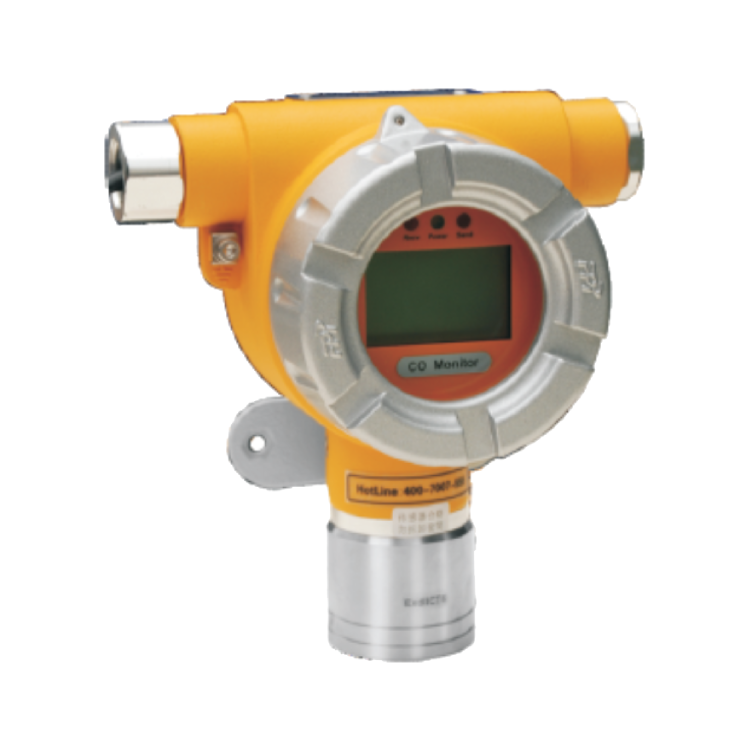
Why FPI Leads in Industrial Leak Detection
With 22 years of innovation, 888+ patents, and accolades like the China Patent Gold Award, FPI delivers detectors that redefine reliability and cost-efficiency, surpassing competitors like Honeywell and MSA in versatility and field performance.
The Detection Edge: A Closer Look at FPI’s Technology
FPI’s Industrial Leak Detectors operate through a seamless interplay of sensing mechanisms:
Sensing and Reaction: Catalytic beads combust flammables, electrochemical cells oxidize toxics, PID ionizes VOCs, and IR absorbs specific wavelengths for robust detection.
Signal Processing: Microcontrollers filter noise, with AI-driven algorithms reducing cross-sensitivity in mixed-gas environments.
Alert and Logging: Audible (90 dB) and visual alarms trigger instantly, with GPS-tagged data exported via Wi-Fi for compliance records.
System Integration: 4-20mA outputs connect to DCS/PLC, enabling automated shutdowns or ventilation triggers.
This robust architecture, visualized in interactive system diagrams, ensures uptime in critical operations.
Detection Technologies Compared: FPI’s Multi-Mode Advantage
| Principle | Detection Focus | Range | FPI Model Edge | Vs. Competitor |
|---|---|---|---|---|
| Catalytic Combustion | Combustibles (CH4, H2) | 0-100% LEL | GT-1030-TF: Vibration-proof | Broader than Honeywell’s bead limits |
| Electrochemical | Toxics (CO, H2S, O2) | ppm | GT-1121: Long-life cells | Faster than MSA’s 2-min warm-up |
| Photoionization (PID) | VOCs/Inorganics | ppb-ppm | GT-1040: Lamp-free drift | Sharper than Dräger’s selectivity |
| Infrared (IR) | CO2, Halocarbons | %/ppm | GT-1020-IR: Dual-beam | Interference-free over Rigid’s singles |
Leak Catalysts: Broader Impacts of FPI Detectors
FPI detectors catalyze prevention: In pipelines, they avert 25% methane releases; in fencelines, slash 30% LDAR costs. With open APIs and low-SWaP, our tools foster automated patrols, refining 25% of safety indices for zero-emission goals.
Insightful Queries: Navigating Mass Spec Mastery
How do FPI detectors support compliance with international safety standards?
Our detectors are certified to ATEX, IECEx, and SIL2, with built-in audit trails and tamper-proof logs to streamline inspections under OSHA or EU Seveso III directives.
What advantages do FPI’s multi-technology detectors offer over single-mode systems?
By combining catalytic, electrochemical, PID, and IR, our systems cover 95% of industrial gas threats in one unit, reducing training and inventory costs compared to competitors’ fragmented setups.
Can FPI detectors be customized for niche gases like refrigerants or biofuels?
Yes, we offer tailored sensor calibrations for R134a, ammonia, or bioethanol, with rapid 2-week configuration turnarounds for specific plant needs.
How do FPI detectors integrate with drone-based inspections in 2025?
Lightweight (<500g) modules with 4G connectivity pair with UAVs for aerial leak surveys, covering 10x larger areas than manual patrols, a trend gaining traction in oil & gas.
What AI role aids FPI’s leak quantification in windy conditions?
Edge algorithms compensate wind shear, yielding 90% volume accuracy for VOCs.
How does FPI ensure detector reliability in corrosive chemical plants?
IP67 seals and corrosion-resistant coatings maintain performance in 100% RH or acidic vapors, with field-replaceable sensors extending lifespan beyond 3 years.
Request Callback
If you have any questions concerning our services, please fill out the contact form below.