Greenhouse Gases Monitoring Systems
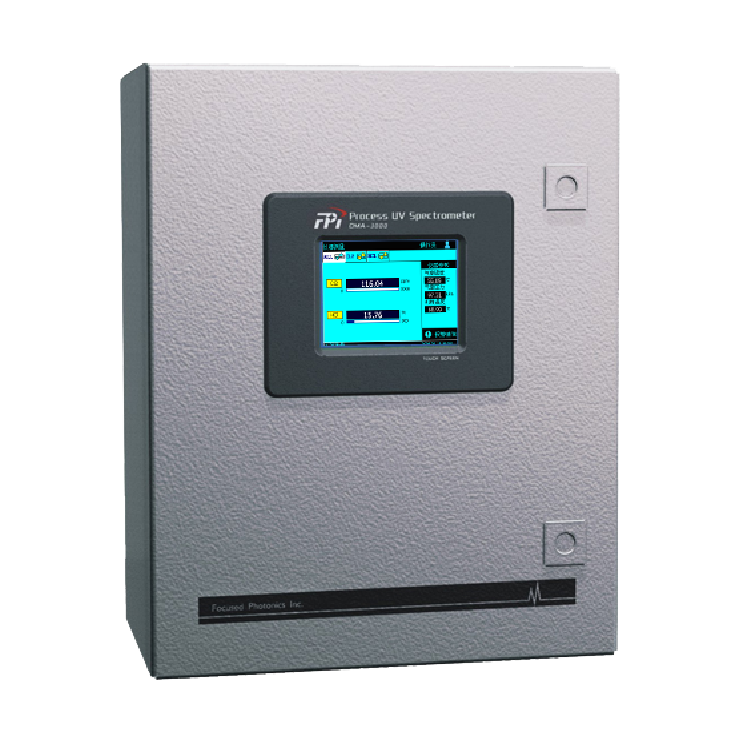
Focused Photonics Inc. (FPI) champions atmospheric integrity with its precision Greenhouse Gases Monitoring Systems, harnessing advanced spectroscopy to track CO2, CH4, N2O, and other key emitters in ambient air. Our HGA series delivers continuous, high-sensitivity measurements for urban networks, industrial sites, and research stations, supporting global climate goals.
Atmospheric Audit: Principles of Greenhouse Gas Detection
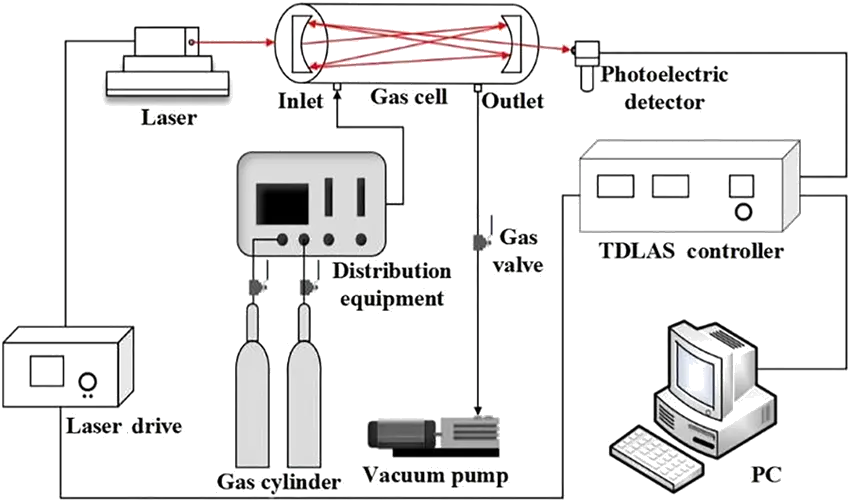
Greenhouse gas monitoring employs optical spectroscopy to quantify trace concentrations by measuring molecular absorption or cavity-enhanced resonances. FPI’s systems utilize Tunable Diode Laser Absorption Spectroscopy (TDLAS) for CO2/CH4 line-specific tuning and Cavity Ring-Down Spectroscopy (CRDS) for ultra-sensitive N2O detection, achieving ppb precision without sample extraction.
Read MoreLess
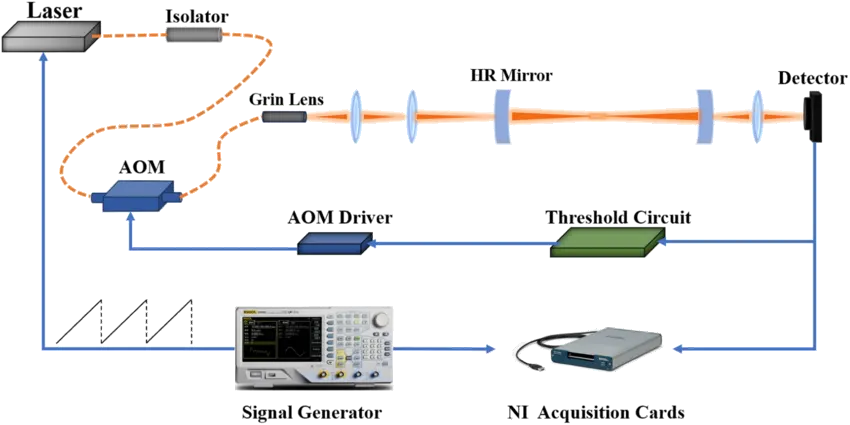
Cavity Ring-Down Spectroscopy (CRDS) is a highly sensitive absorption spectroscopy technique that has developed rapidly in recent years.
Comparing to traditional method, CRDS measures the ring-down time of light within an optical cavity. This time is solely dependent on the reflectivity of the cavity mirrors and the absorption of the medium inside the cavity, making it independent of the incident light intensity.
As a result, the measurement is unaffected by fluctuations in the pulsed laser, which provides advantages such as high sensitivity, a high signal-to-noise ratio, and strong resistance to interference.
This methodology, advanced from cavity optoacoustics in the 1980s, integrates multipass cells and isotopic analyzers for flux partitioning. FPI refines it with drift-free lasers and pressure-broadening corrections, ensuring <0.1 ppm accuracy per WMO standards. In 2025’s era of enhanced transparency, our networks fuse ground sensors with satellite data (e.g., OCO-2 validation), distinguishing biogenic from anthropogenic sources to inform Paris Agreement reporting and carbon trading.
Global Guardians: FPI GHG Systems in Environmental Action
FPI's monitors anchor 5,000+ observation sites, with 1,200+ units active annually, informing policies from local air quality to international accords.
HGA-331 deploys in smart cities for CO2/CH4 baselines, aiding heat island mitigation. Beijing's 2024 pilot reduced urban emissions by 12% through real-time dashboards.
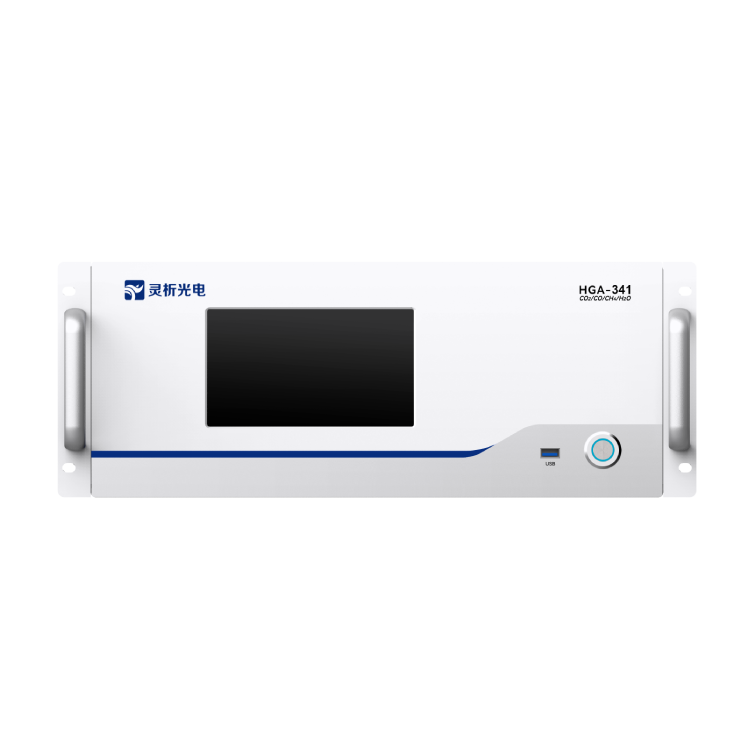
Boundary sensors track fugitive CH4 from landfills, per EPA Subpart W. A Sinopec facility used FPI CRDS to cut leaks by 25%, earning carbon credits.
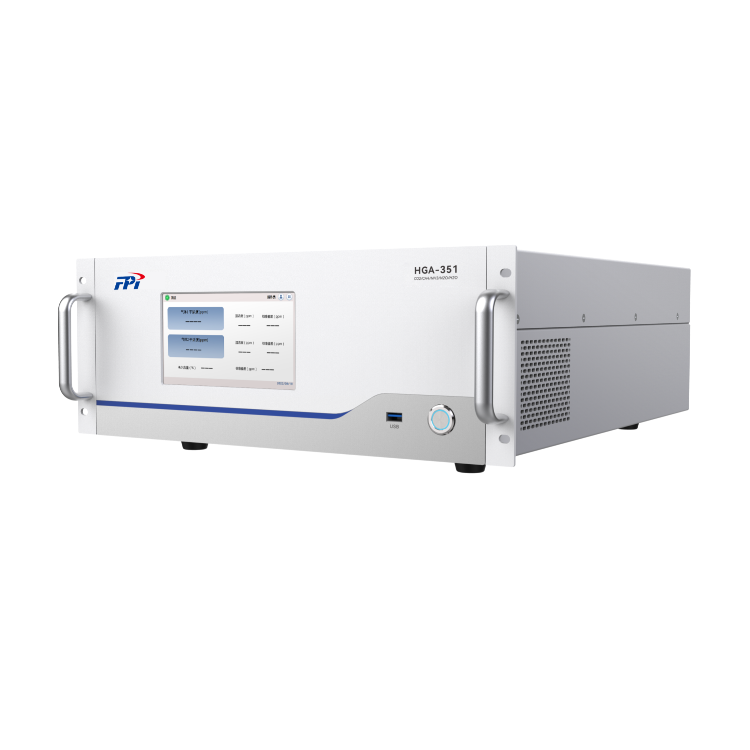
Eddy covariance integrations measure N2O fluxes in agroecosystems, supporting IPCC Tier 3 inventories. A Amazon basin tower revealed 18% higher wetland emissions, guiding reforestation.
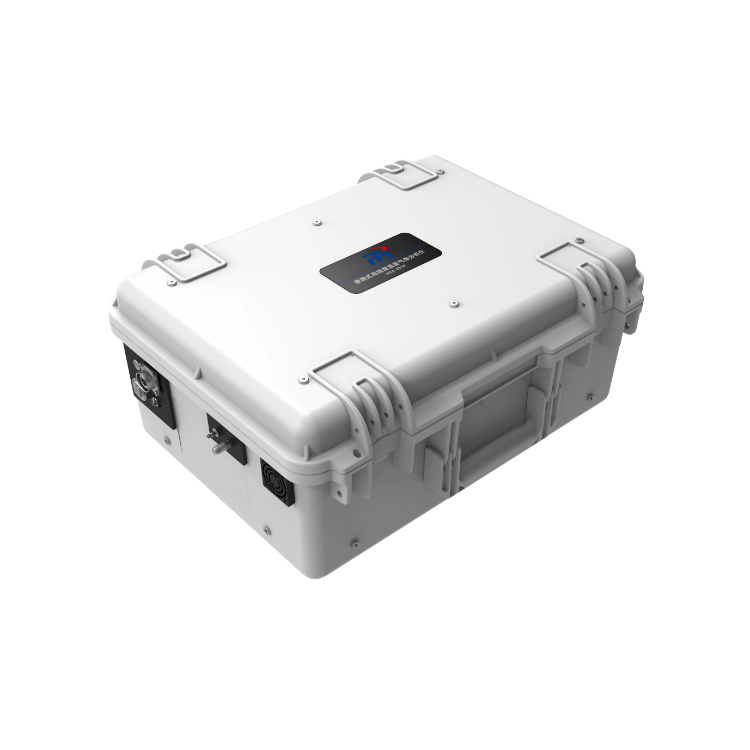
Solar-powered portables monitor permafrost thaw CH4, resilient to -40°C. NOAA collaborations validated models, enhancing global methane budgets.
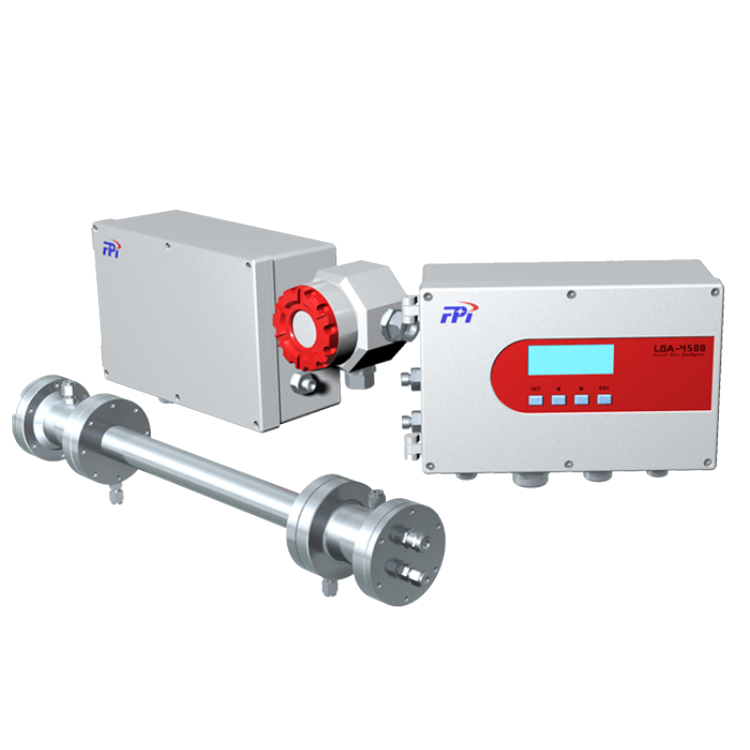
These deployments, enriched by FPI’s open-data APIs, have amplified emission inventories by 20%, fueling SDG 13 advancements.
FPI's GHG Vigilance: Sustaining Precision in Flux
With 22 years of atmospheric optics, 888+ patents, and WMO-calibrated benchmarks, FPI's systems prioritize accessibility and accuracy, offering 15% higher temporal resolution than conventional networks.
Flux Foundations: Unpacking FPI's GHG Detection
FPI’s systems trace atmospheric signals through layered precision:
- Optical Interrogation: Tunable lasers probe absorption lines, with multipass Herriott cells amplifying pathlengths to 100s of meters.
- Signal Sanctuary: Photodiodes capture ring-down times, algorithms inverting Beer’s law for concentrations.
- Isotopic Insight: Dual-beam setups differentiate 12C/13C, partitioning fluxes.
- Network Nexus: Gateways aggregate data, applying Kalman filters for gap-filling.
This spectral sentinel, depicted in our flux tower schematics, ensures unerring vigilance.
GHG Techniques Table: FPI’s Detection Diversity
| Technique | Target Gases | Sensitivity | Deployment Fit | FPI Enhancement |
|---|---|---|---|---|
| TDLAS | CO2, CH4 | 0.1 ppm | Urban towers | Isotopic tuning for source ID |
| CRDS | N2O, CO2 | ppb | Remote sites | Mirrorless cavities for durability |
| O2/N2O Analogy | O2 proxy for N2O | 0.01% | Flux networks | Dual-chamber for baseline stability |
| Photoacoustic | CH4, SF6 | ppt | Industrial fencelines | Mic resonator for low-flow |
FPI’s toolkit tunes to 2025’s multi-gas imperatives.
Climate Catalysts: Broader Impacts of FPI Monitoring
FPI systems illuminate action: In agriculture, they optimize N2O from fertilizers for 10% yield-emission decoupling; in cities, CO2 mapping guides transit electrification. With open-source protocols and low-SWaP designs, our networks foster inclusive science, yielding 30% refined global budgets.
GHG Gazette: Six Atmospheric Answers
How do FPI systems distinguish urban CO2 from biogenic sources?
Isotopic δ13C analysis via TDLAS resolves fossil vs. plant origins, with <0.5‰ precision for traffic-biomass partitioning.
What power solutions enable FPI monitors in off-grid Arctic deployments?
Hybrid solar-lithium setups with MPPT charging sustain -50°C ops, harvesting 24/7 with thermoelectric backups.
How does FPI CRDS support carbon market verification under CORSIA?
Automated isotopic flux reports align with ICAO baselines, enabling offset credits with <2% uncertainty for aviation.
In what ways do FPI networks integrate with satellite constellations like GOSAT?
Ground truthing via co-located sensors refines retrieval algorithms, reducing satellite bias by 15% for CH4 columns.
What data-sharing frameworks does FPI employ for international consortia?
FLUXNET-compliant APIs with GDPR encryption facilitate federated datasets, powering collaborative methane budgets.
How do FPI systems forecast seasonal N2O spikes in rice paddies?
Machine learning on historical fluxes and soil telemetry predicts peaks with 85% accuracy, guiding fertilizer timing.
Request Callback
If you have any questions concerning our services, please fill out the contact form below.