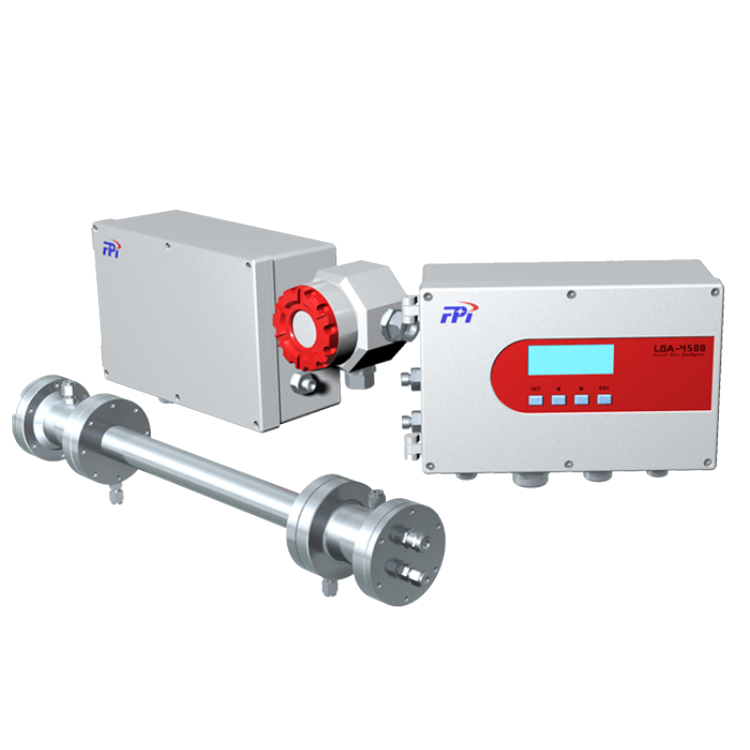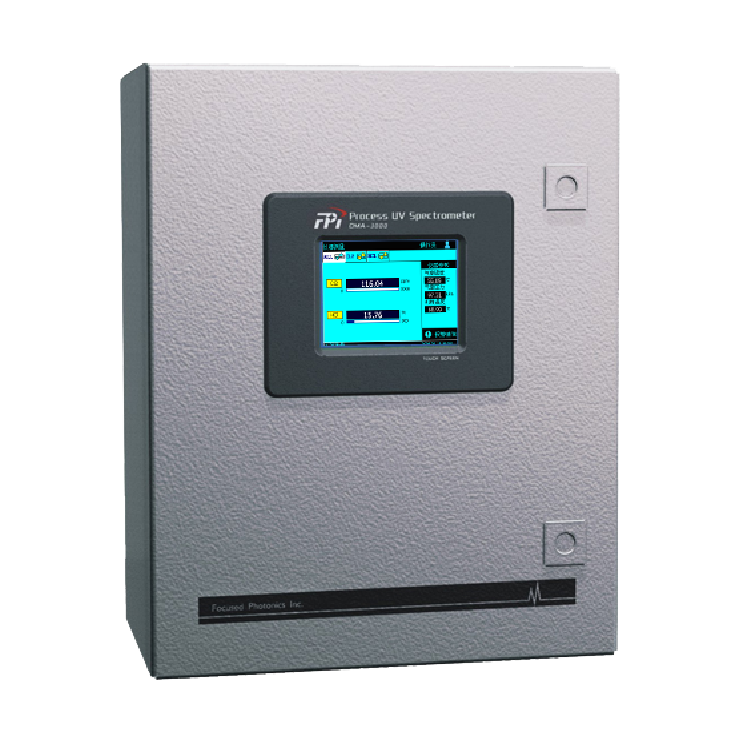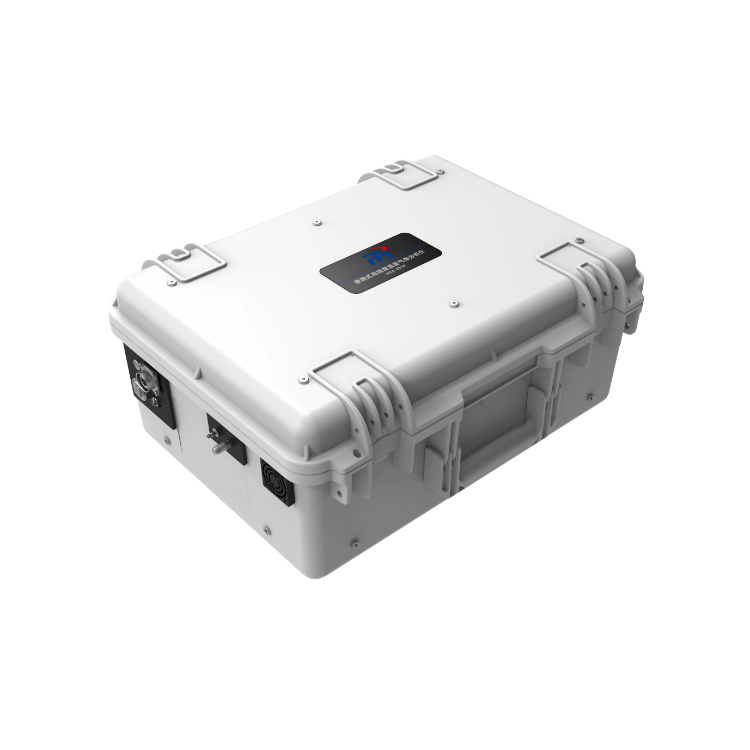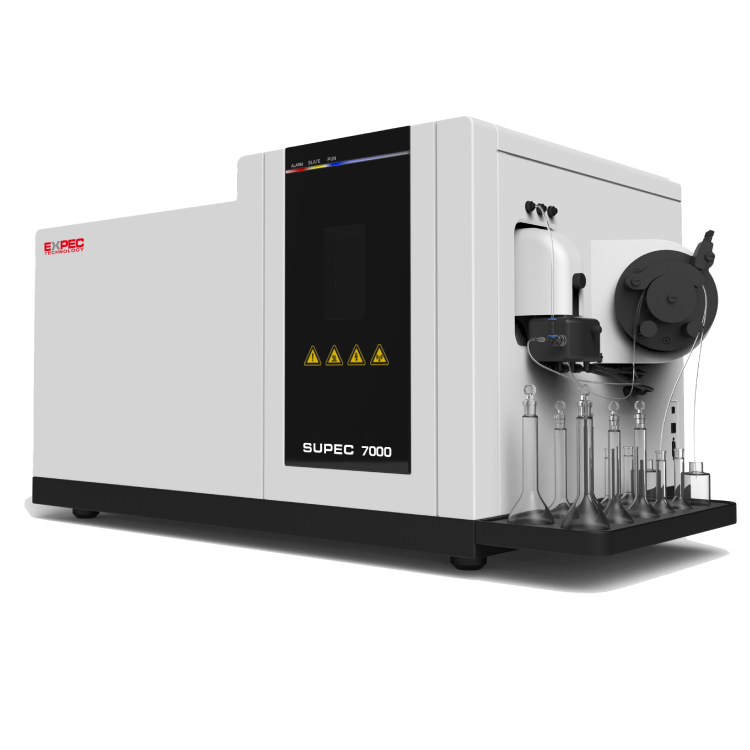
Hydrological Sensor

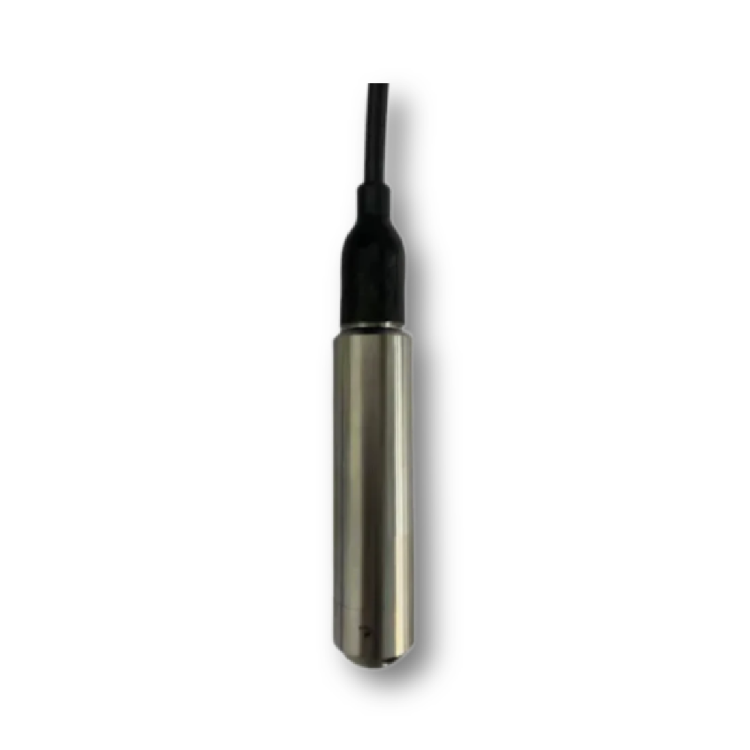
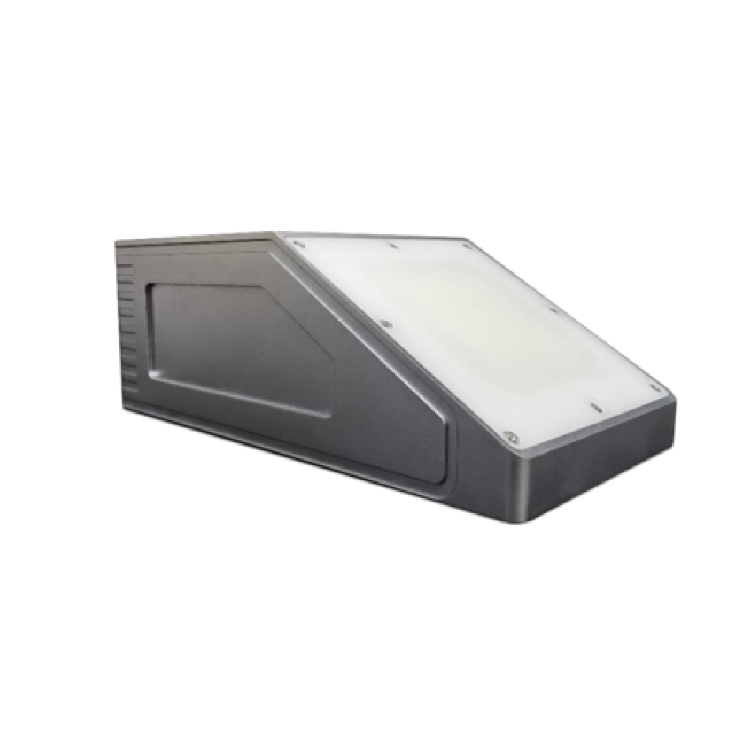
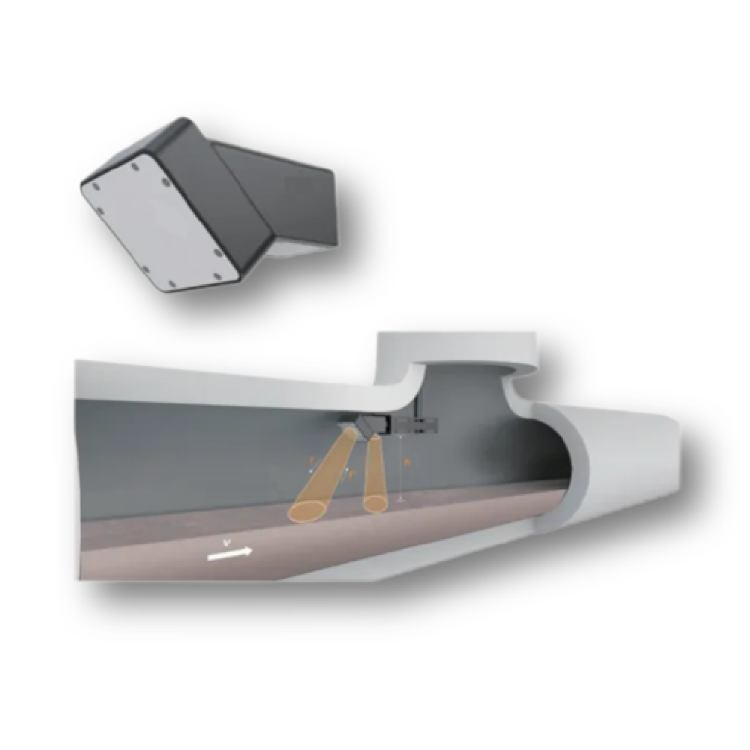
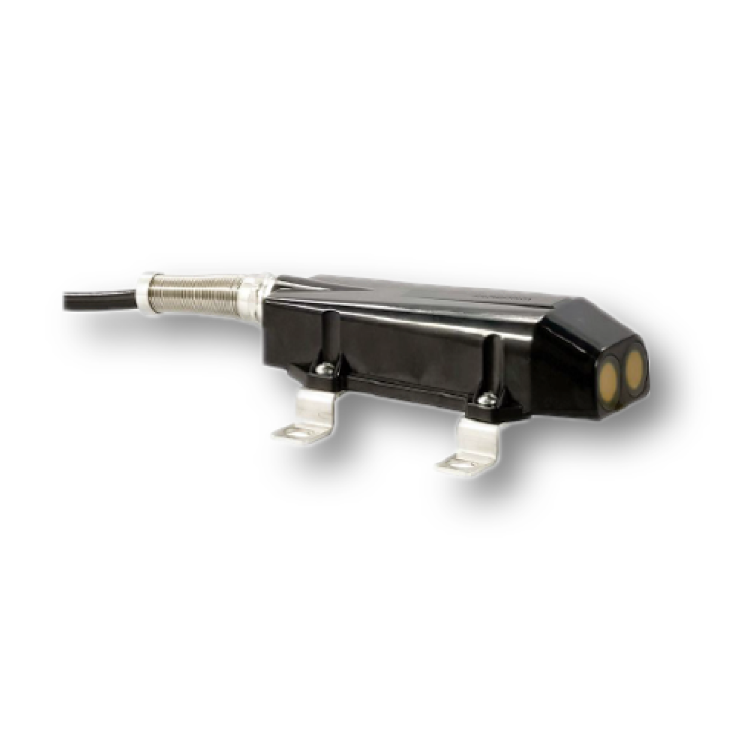
Focused Photonics Inc. (FPI) enhances water resource management with its Hydrological Sensors, providing accurate, non-contact measurements of level, flow, velocity, and rainfall in rivers, reservoirs, and flood-prone areas. The radar and Doppler series utilize microwave and ultrasonic technologies for reliable data in harsh conditions, complying with ISO 1438 and USGS standards.

Hydrological Detection Principles

Nutrient and disinfectant analyzers quantify biological and chemical indicators through fluorescence, absorbance, and selective reactions. FPI’s sensors use 470 nm excitation for chlorophyll-a (0-50 μg/L, ±0.01 μg/L) and blue-green algae, UV absorbance at 254 nm for COD (0-1000 mg/L, ±0.1 mg/L), ISE for ions (0-10 mg/L, ±0.05 mg/L), and DPD chemical method for residual chlorine (0-5 mg/L, ±0.02 mg/L), per ISO 7027.

Evolved from 1990s fluorometers, these analyzers integrate pretreatment for particulates and AI for peak deconvolution. FPI refines with drift-free LEDs and auto-calibration (5-40°C), ensuring <1% uncertainty per GB 3838-2002. In 2025’s eutrophication surge, our portables fuse satellite chlorophyll data for predictive mapping, informing EU WFD nutrient thresholds and SDG 6 water purity.

FPI Hydrological Sensors in Resource Management

FPI's sensors monitor 3,000+ water bodies, with 800+ units deployed annually, optimizing irrigation and flood control globally.

These applications, via FPI’s cloud platforms, support 4+ national hydrology policies, advancing SDG 6.

FPI's Hydrological Vigilance: Sustaining Flows in Extremes

With 20 years of radar innovation, 888+ patents, and IECEx certifications, FPI's sensors prioritize accuracy and durability, offering 25% longer range than competitors.

Measurement Spectrum
Sensor Resilience
Data Fusion
Eco-Design
Global Alliance

Flow Foundations: Unpacking FPI's Hydrological Detection

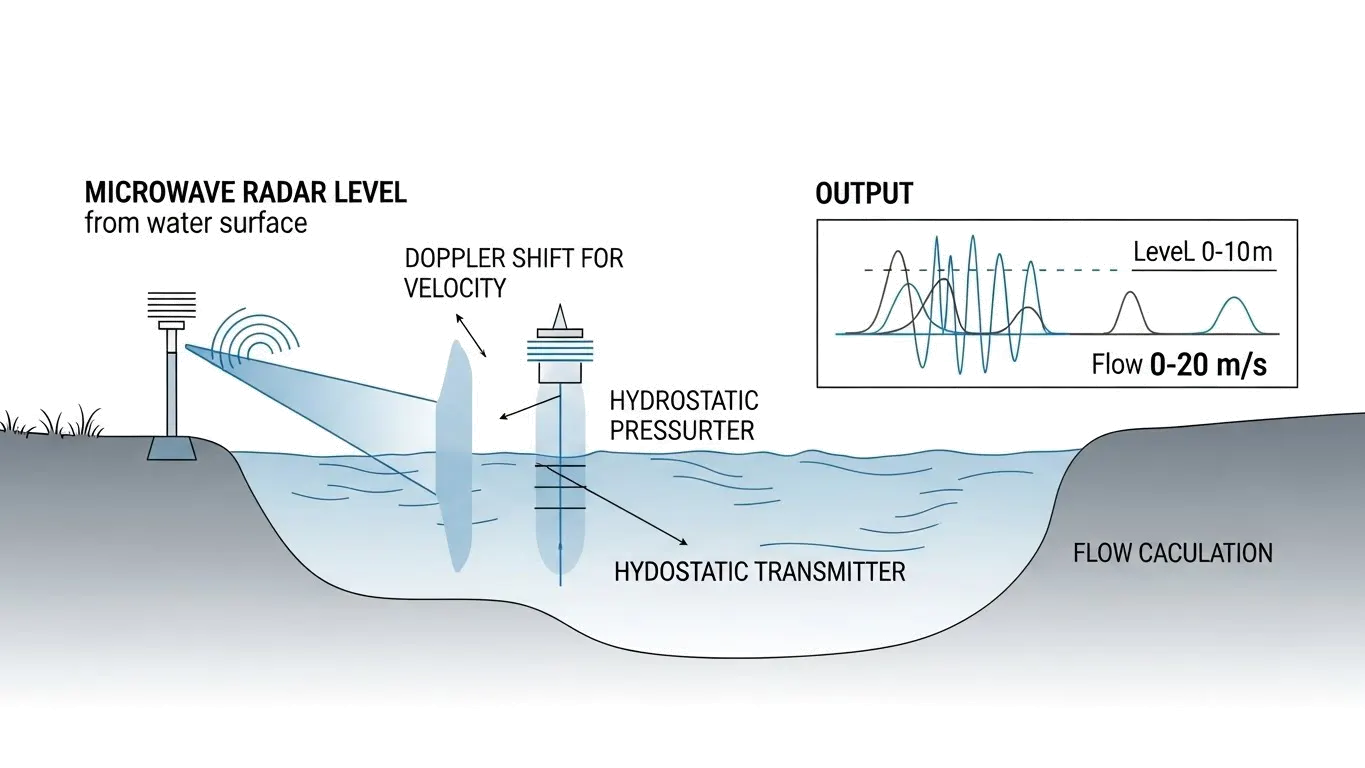
FPI’s sensors trace water dynamics through layered precision:

  1. Signal Emission: Radar/Doppler beams probe surface, hydrostatic sensors submerge for pressure.
  2. Echo Processing: Time-of-flight/Doppler shift algorithms compute level/velocity.
  3. Data Refinement: AI filters noise, outputting via Modbus for SCADA.
  4. Alert Delivery: Thresholds trigger SMS, integrating with GIS for mapping.

This dynamic pathway, shown in our sensor schematics, ensures vigilant flows.

Hydrological Techniques Table: FPI’s Detection Diversity


TechniqueParametersSensitivityDeployment FitFPI Enhancement
Microwave RadarLevel, Flow±1 mmRivers/Res.Anti-fouling beam
Doppler ShiftVelocity±0.01 m/sCanals/CoastalWave compensation
Hydrostatic PressureLevel±0.1% FSSubmergedTemperature-corrected
UltrasonicRainfall0.1 mm/hStationsLow-power pulse
 

FPI’s sensors surge with 2025’s dynamic imperatives.

Ecosystem Catalysts: Broader Impacts of FPI Sensors

FPI sensors catalyze resilience: In floods, they cut response times by 30%; in irrigation, save 20% water. With open APIs and low-SWaP, our tools foster data-driven hydrology, refining 25% of basin models for SDG 6.

Hydrological Queries: Six Flow Answers

How do FPI radar sensors handle wave interference in rivers?

AI Doppler compensation filters <0.5 m/s variations, maintaining ±1 mm level accuracy per ISO 1438.

Pressure transducers resolve 0.1% FS submerged levels, integrating flow for 90% volume forecasts.

0.01 m/s resolution optimizes flow, reducing water loss by 20% in arid systems.

Modbus outputs velocity/level to PLCs, triggering 18% faster gate operations.

NIST-traceable radar pulses achieve <0.5% bias for flow, per ISO 11047.

IP68 casings with salt-resistant antennas sustain <2% drift in 40 ppt, per ASTM D1141.

Request Callback

If you have any questions concerning our services, please fill out the contact form below.

Send Your Inquiry Today

Fill out the form below, and we will be in touch shortly.
Contact Information
Project Details