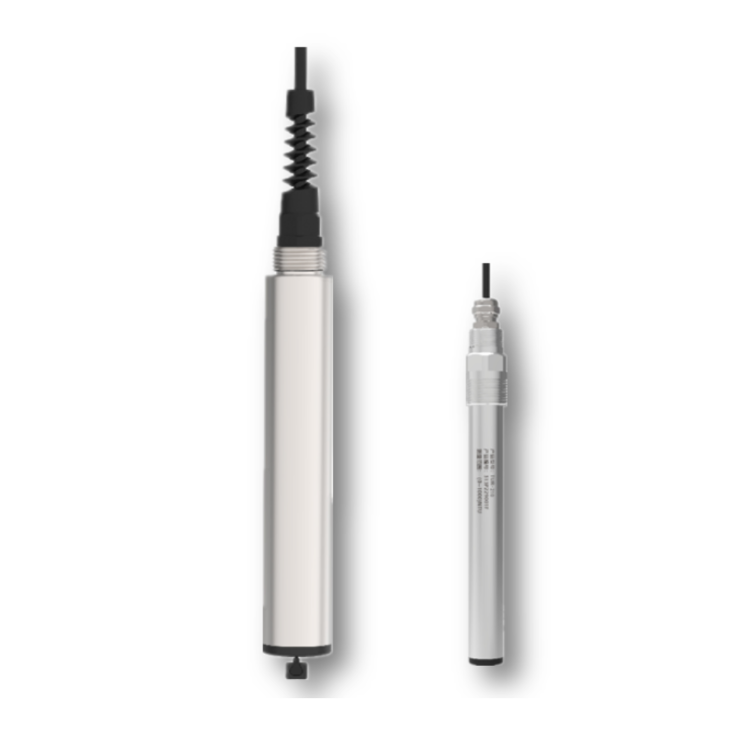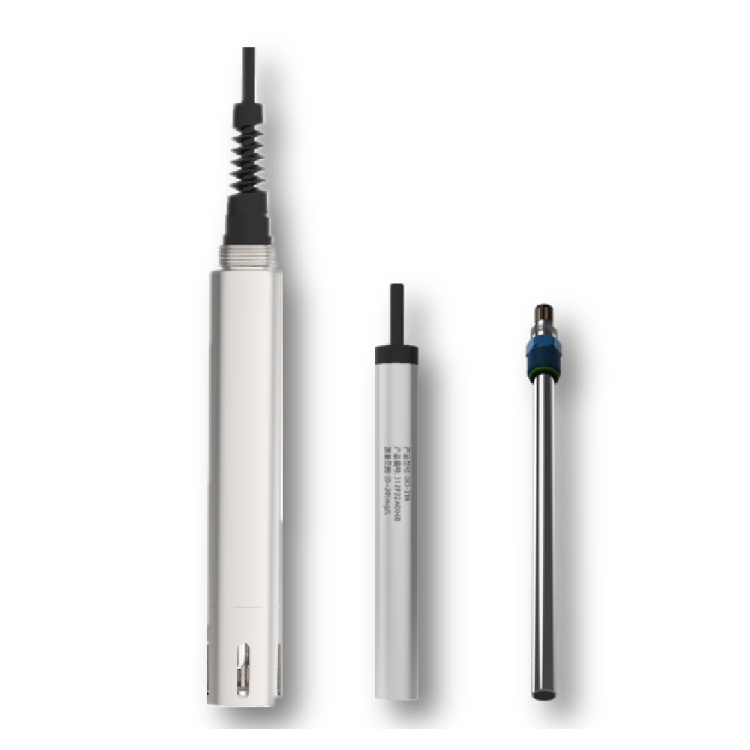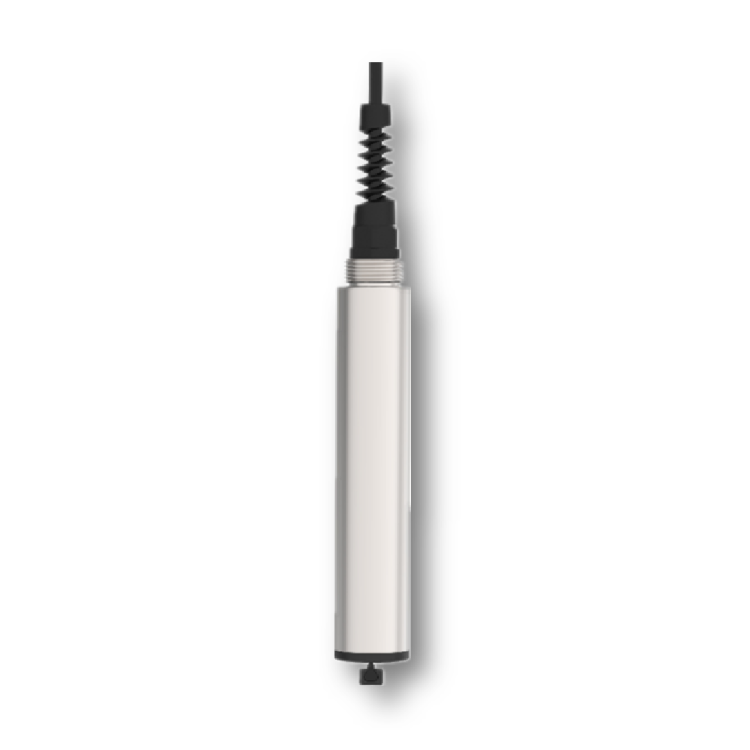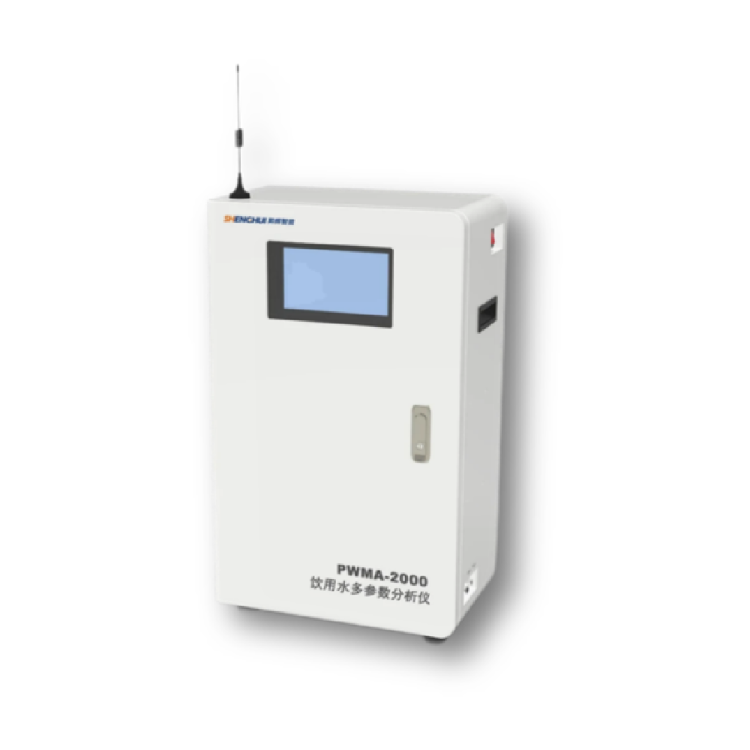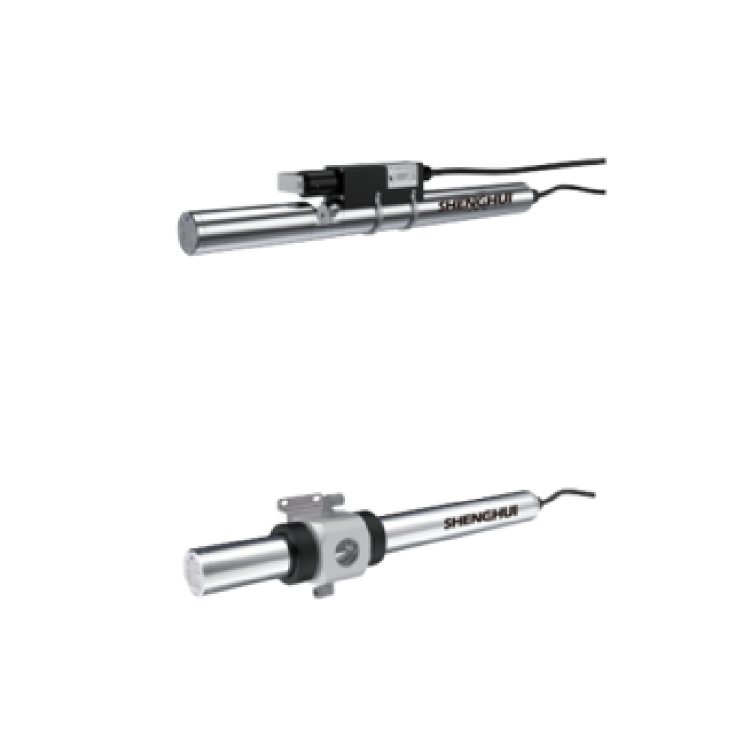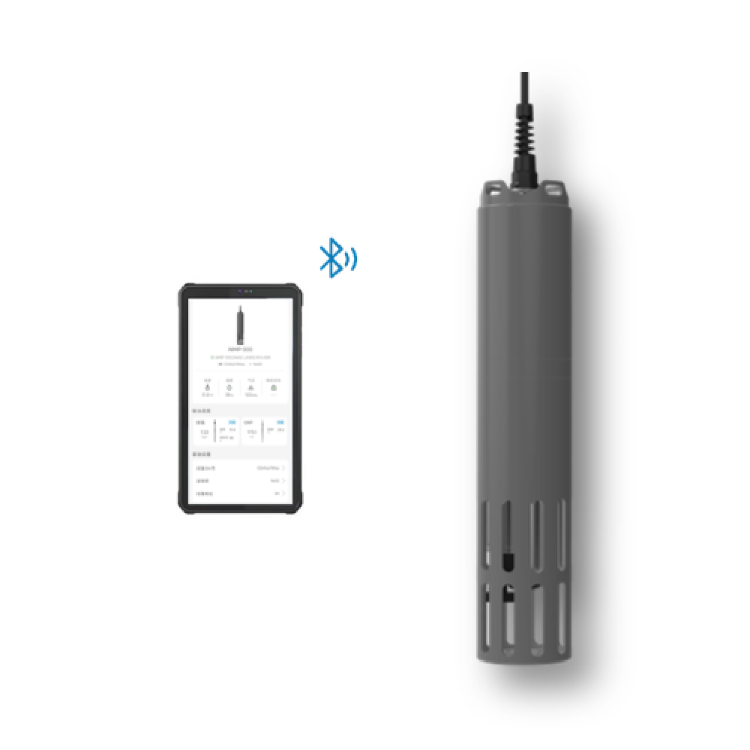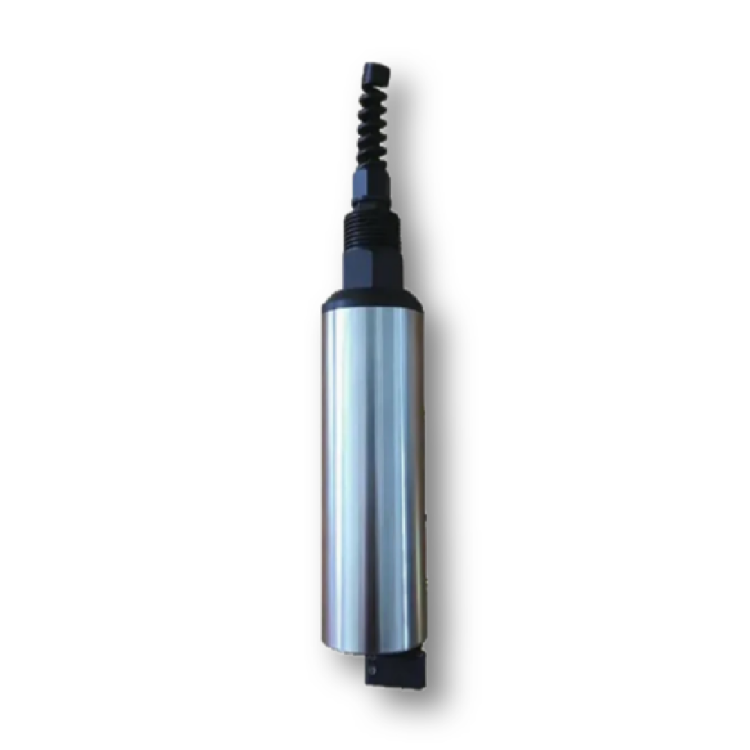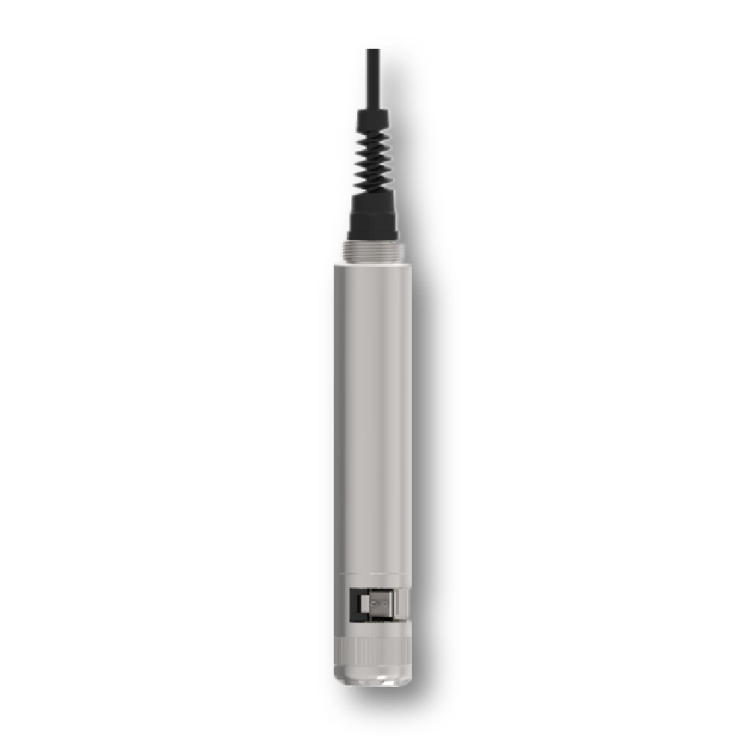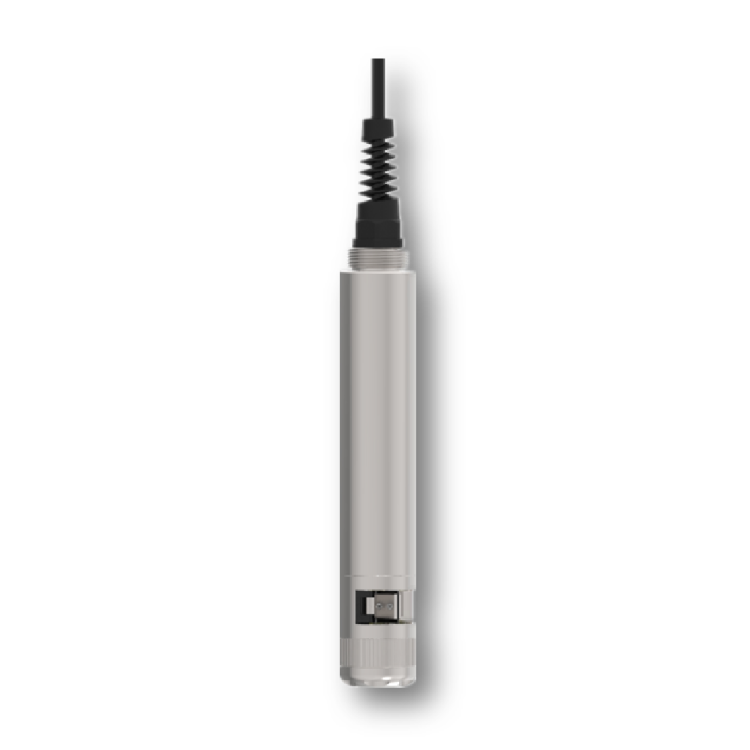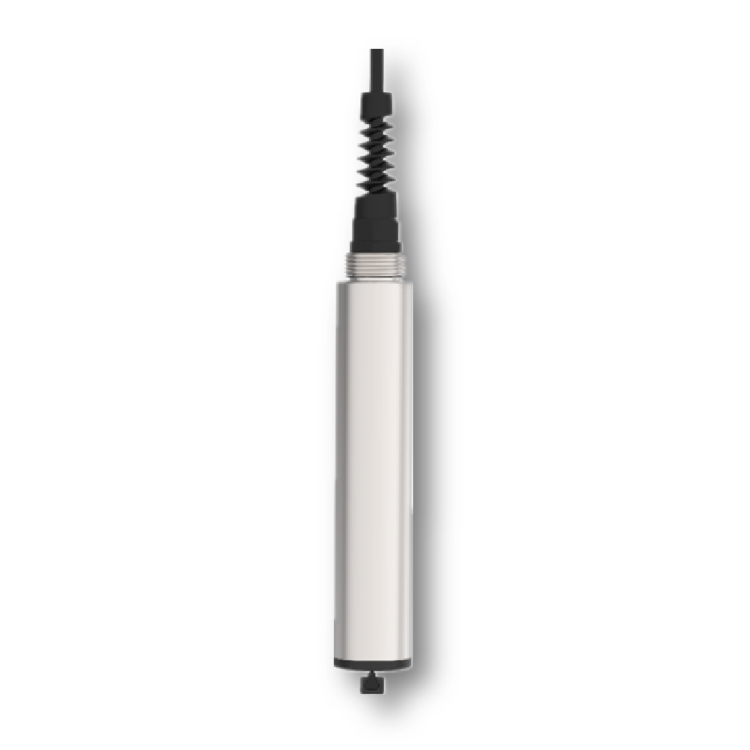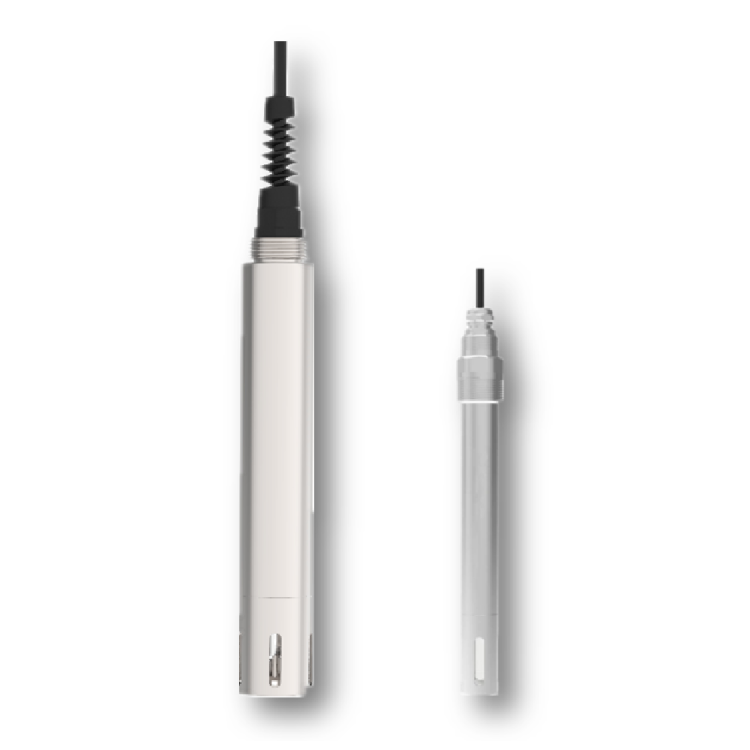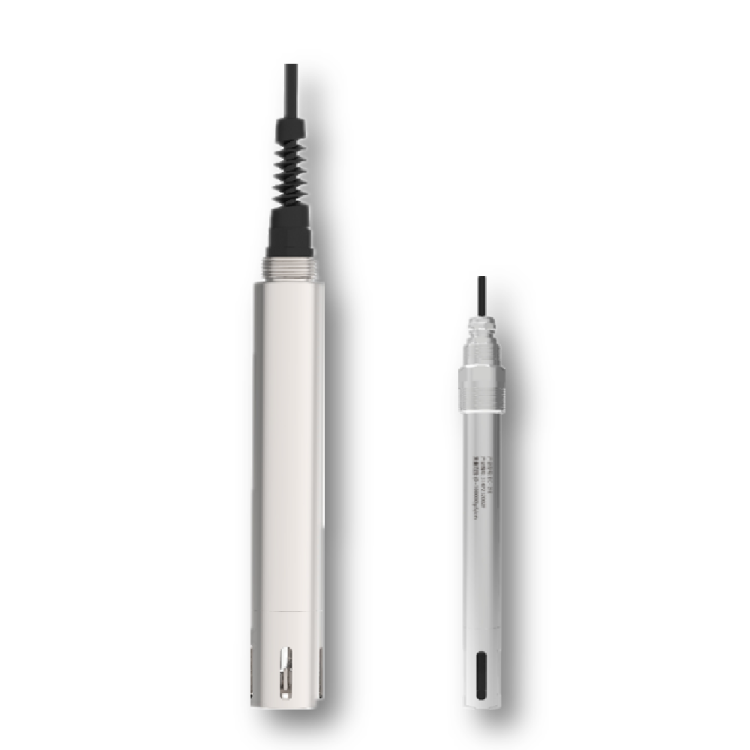
Physicochemical Parameter Sensor

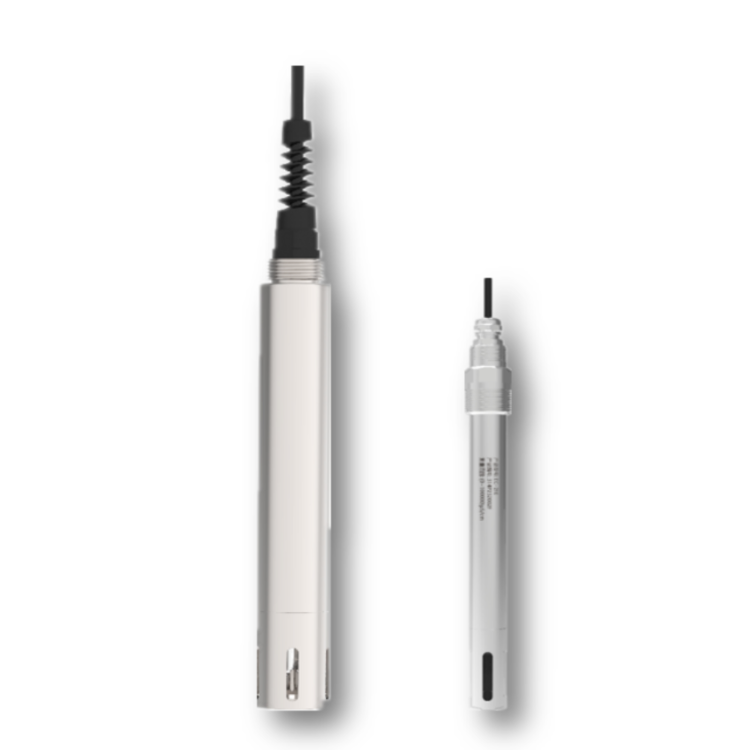
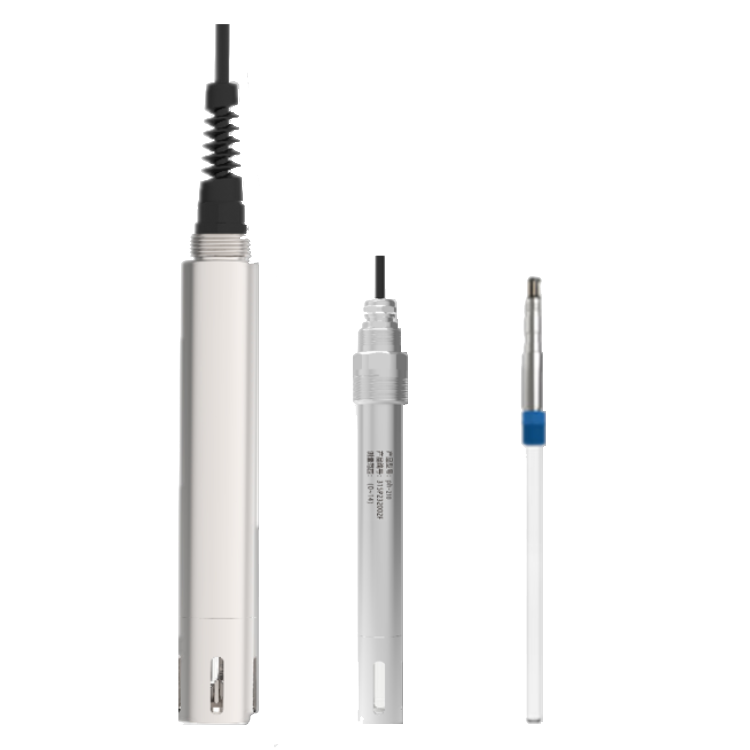
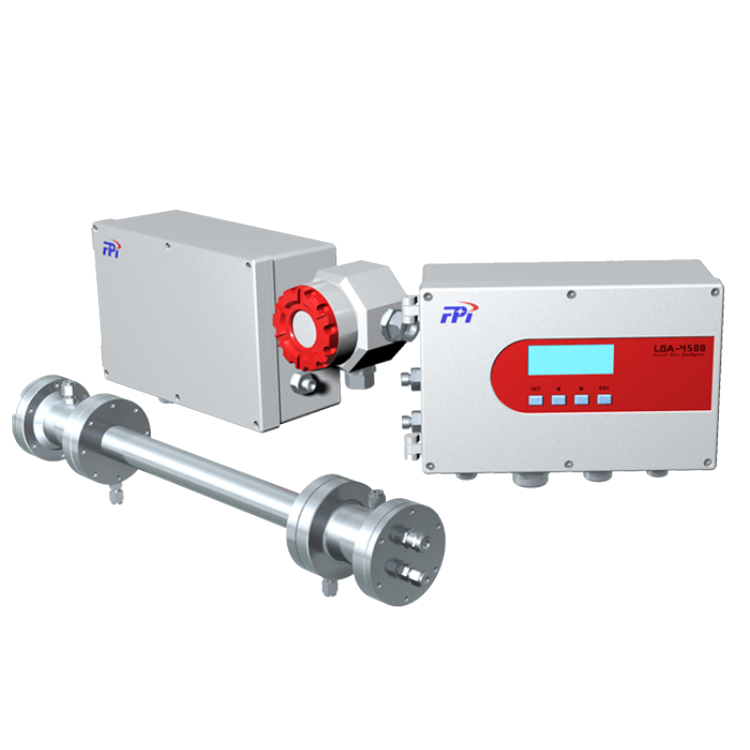
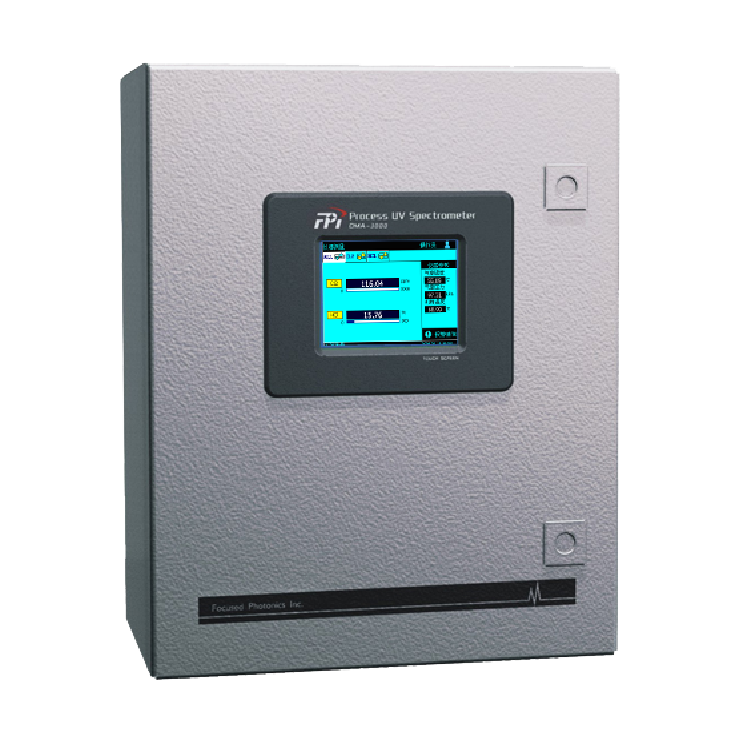
Focused Photonics Inc. (FPI) advances water quality assurance with its Physicochemical Parameter Sensors, offering precise, real-time detection of COD, chlorophyll-a, blue-green algae, ions, residual chlorine, and turbidity in rivers, lakes, and wastewater. The SIA and sensor series employ UV absorbance, fluorescence, ISE, and light scattering technologies for compliance with ISO 7027, GB 3838-2002, and EPA Method 415.3.

Hydrological Detection Principles

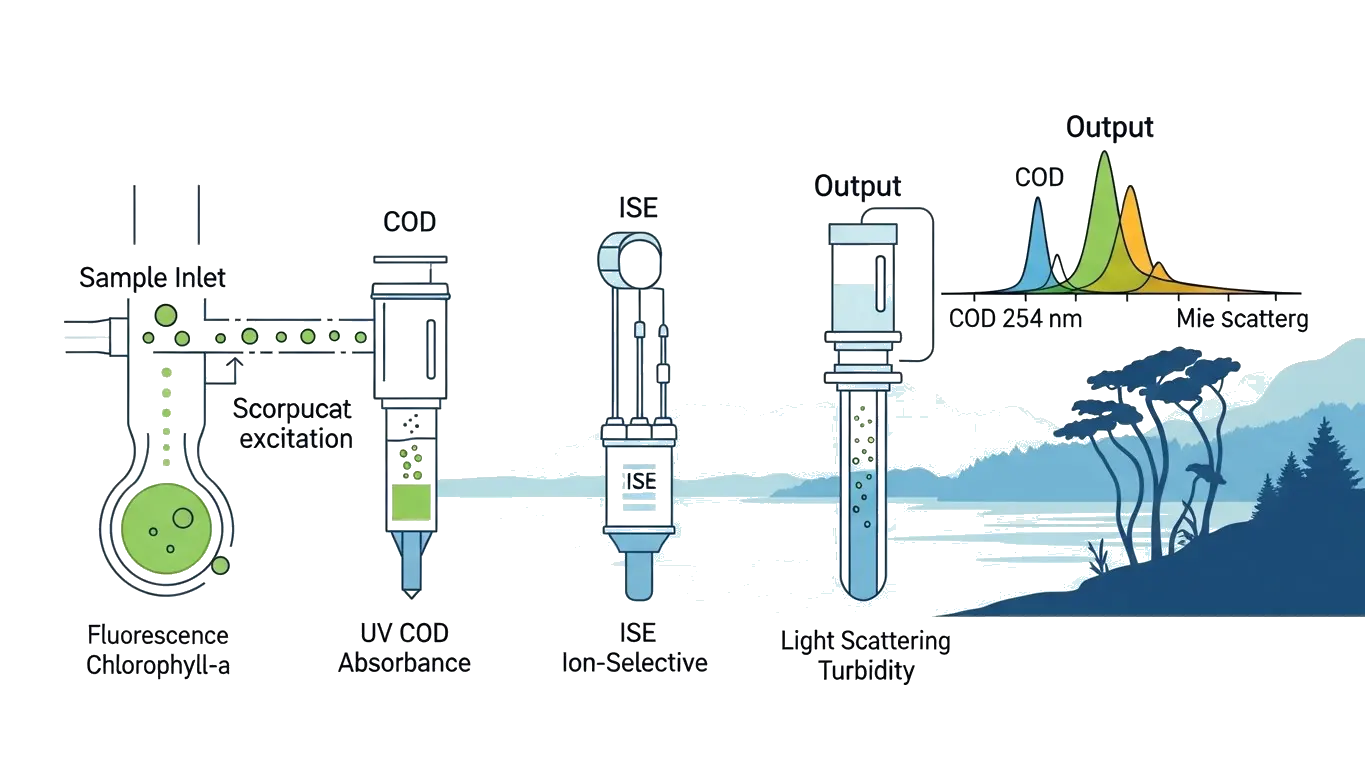
Physicochemical parameter sensors detect organic/inorganic species through absorbance, fluorescence, and scattering spectra. FPI’s sensors use UV absorbance at 254 nm for COD (0-1000 mg/L, ±0.1 mg/L), fluorescence at 680 nm for chlorophyll-a (0-50 μg/L, ±0.01 μg/L) and blue-green algae, ISE for ions/residual chlorine (0-10 mg/L, ±0.05 mg/L), and laser scattering for turbidity (0-1000 NTU, 1 NTU resolution), per ISO 7027.

Physicochemical Parameter Sensors

Evolved from 1970s UV methods, these sensors integrate pretreatment for particulates and AI deconvolution for matrix effects. FPI enhances with drift-free optics and auto-calibration (0-60°C), ensuring <1% uncertainty per GB 3838-2002. In 2025’s algal bloom era, our portables fuse satellite remote sensing for predictive mapping, informing EU WFD nutrient limits and SDG 6 water quality.

FPI Physicochemical Sensors in Ecosystem Protection

FPI's sensors monitor 4,500+ sites, with 1,000+ units deployed annually, safeguarding water health globally.

These applications, via FPI’s IoT dashboards, support 5+ national water directives, advancing SDG 6.

FPI's Aquatic Vigilance: Sustaining Purity in Parameters

With 22 years of sensor expertise, 888+ patents, and ISO 17025 validation, FPI's sensors deliver 15% higher resolution than competitors.

Parameter Precision
Sensor Resilience
Data Fusion
Eco-Design
Global Alliance

Flow Foundations: Unpacking FPI's Parameter Detection

FPI’s sensors trace water signals through layered precision:

  1. Intake Preparation: Filters remove particulates, stabilizing flow for consistent sampling.
  2. Spectral Sensing: UV/fluorescence/ISE probe parameters, with scattering for optics.
  3. Signal Processing: AI inverts Beer’s law, outputting validated data via MQTT.
  4. Alert Generation: Dashboards flag thresholds, linking to SCADA for response.

This parameter pathway, shown in our sensor schematics, ensures unerring vigilance.

Physicochemical Techniques Table: FPI’s Detection Diversity


TechniqueParametersSensitivityDeployment FitFPI Enhancement
UV AbsorbanceCOD0.1 mg/LWastewaterTurbidity correction
FluorescenceChlorophyll-a, Algae0.01 μg/LLakesDual-excitation for accuracy
ISEIons, Chlorine0.05 mg/LDrinkingSelective membranes
Light ScatteringTurbidity1 NTURiversAuto-zeroing for drift-free
 

FPI’s sensors sense 2025’s multi-threat imperatives.

Ecosystem Catalysts: Broader Impacts of FPI Sensors

FPI sensors catalyze health: In lakes, they avert 20% bloom costs; in treatment, alerts save USD 150K fines. With open APIs and low-SWaP, our tools foster data-driven governance, refining 25% of water indices for SDG 6.

Aquatic Queries: Six Parameter Answers

How do FPI sensors handle turbidity in river COD measurements?

Dual-wavelength UV corrects for 600 NTU interference, maintaining <1.5% error per ISO 7027.

680 nm excitation quantifies chlorophyll-a with 88% predictive accuracy for early intervention.

Selective electrodes reject interferents like Br-, achieving ±0.05 mg/L per WHO standards.

MQTT streams turbidity/chlorophyll to PLCs, triggering 18% faster responses.

NIST-traceable ISEs yield <0.3 mg/L bias for NH4+, per ISO 17294.

Light scattering with flow compensation sustains 1 NTU resolution in 40 ppt salinity, per ASTM D1889.

Request Callback

If you have any questions concerning our services, please fill out the contact form below.

Send Your Inquiry Today

Fill out the form below, and we will be in touch shortly.
Contact Information
Project Details