Mobile Air Quality Monitoring Station

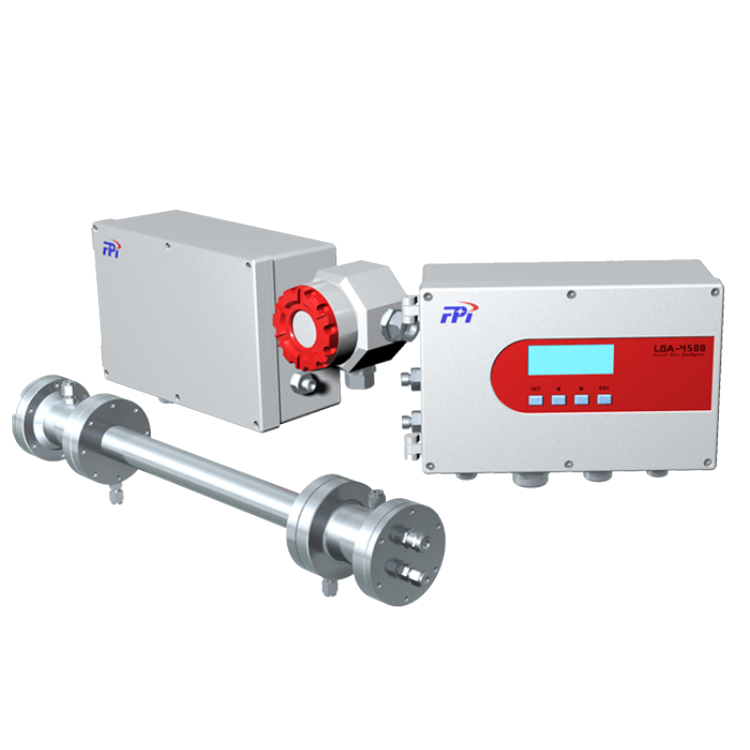
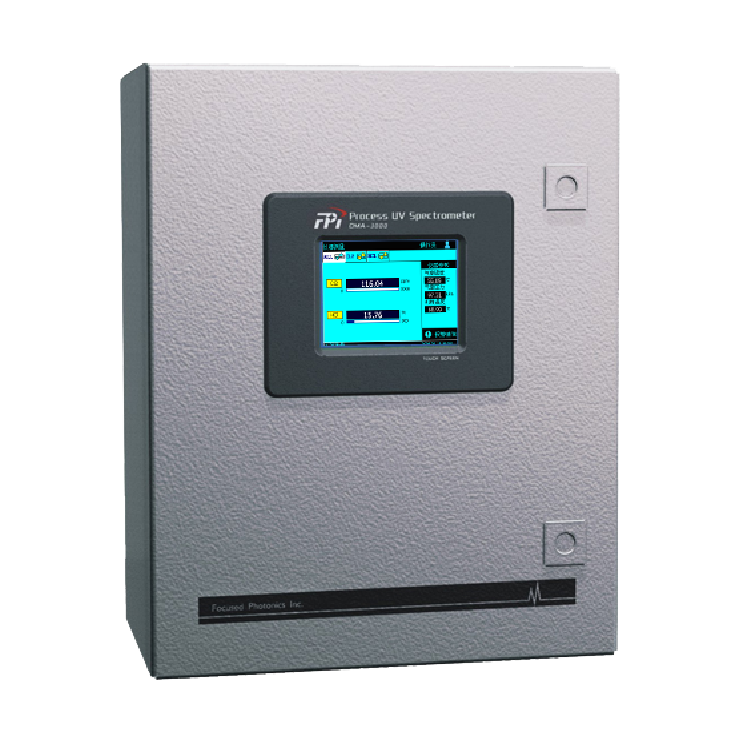
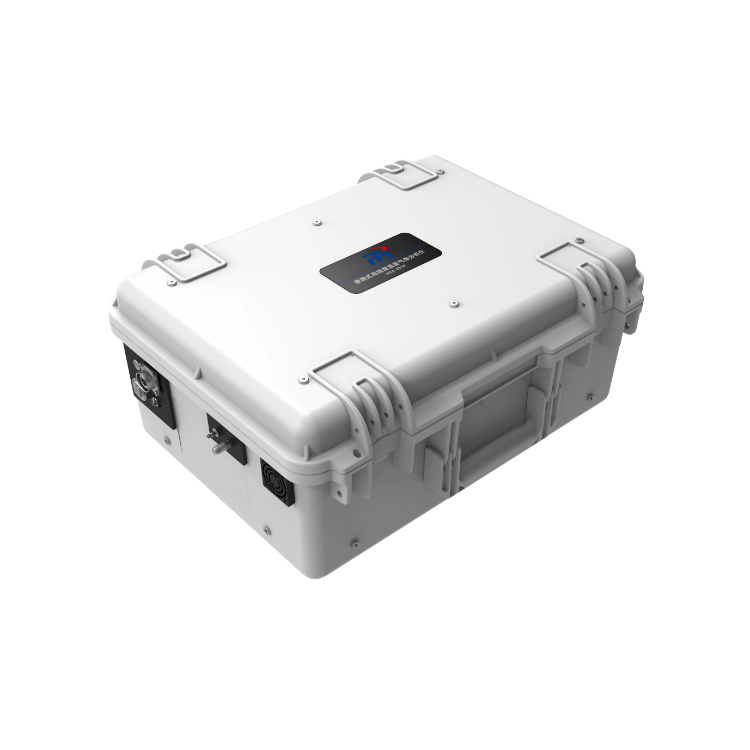
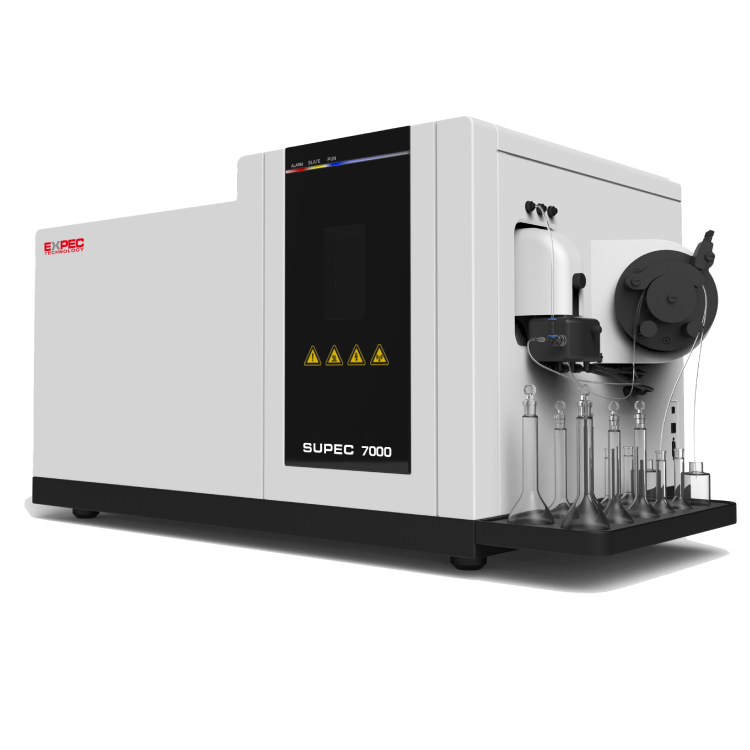
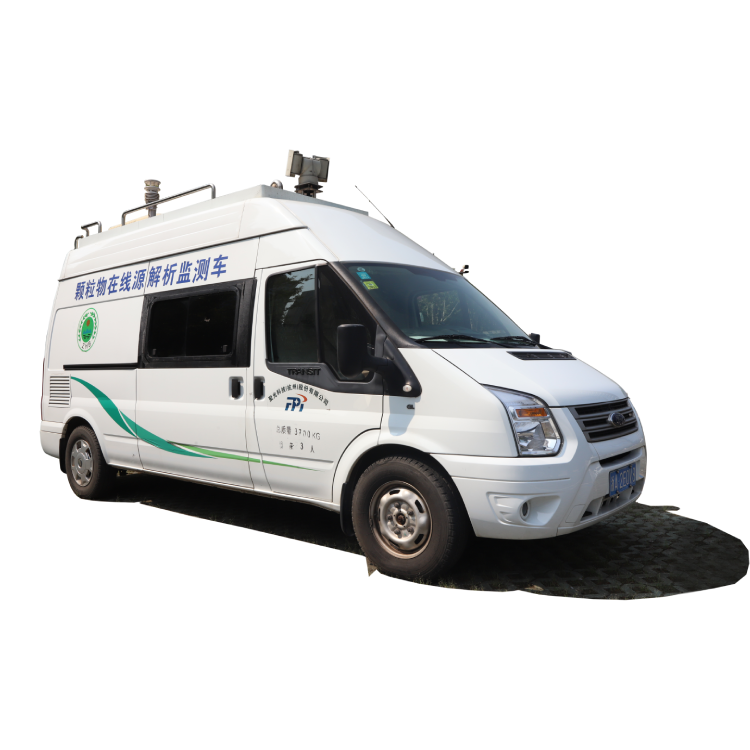
Focused Photonics Inc. (FPI) mobilizes environmental vigilance with its Mobile Air Quality Monitoring Station systems, delivering on-demand, high-precision measurement of O3, CO, NO2, SO2, PM2.5/10, VOCs, and meteorological parameters for emergency response, urban surveys, and event assurance. The mobile AOMS and EXPEC series integrate EPA reference methods in vehicle-mounted or trailer platforms, compliant with HJ 653-2013 and US EPA 40 CFR Part 60.

Mobile Audit: Principles of On-Demand Detection

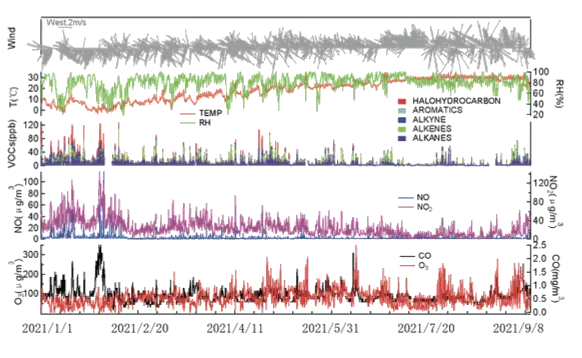
Mobile air quality monitoring stations deploy reference-grade analyzers in relocatable platforms for dynamic pollutant profiling. FPI’s systems utilize UV photometry for O3 (0-500 ppb, ±1 ppb), NDIR for CO (0-50 ppm, ±0.1 ppm), chemiluminescence for NO2 (0-500 ppb, ±0.5 ppb), and beta-ray for PM2.5/10 (0-1000 μg/m³, ±1 μg/m³), with VOC PID add-ons, per HJ 653-2013 and EPA 40 CFR Part 60.

Evolved from 1990s trailer monitors, these stations now integrate GPS and 5G for spatial-temporal mapping. FPI refines with solar-hybrid power and auto-calibration, ensuring <2% drift in -20°C to 50°C field conditions. In 2025’s agile response era, our mobiles fuse with drones for 3D plume modeling, informing emergency protocols and SDG 11 sustainable cities.

FPI Mobile Stations in Dynamic Protection

FPI's mobile stations support 3,000+ deployments, with 800+ units active annually, safeguarding communities worldwide.

These operations, via FPI’s cloud sync, accelerate decisions by 40%, advancing public health.

FPI's Mobile Vigilance: Precision on the Move

With 22 years of field instrumentation, 888+ patents, and IECEx certifications, FPI's stations prioritize mobility and accuracy, offering 30% longer runtime than fixed rivals.

Parameter Spectrum
Station Resilience
Data Fusion
Eco-Design
Global Alliance

Mobility Foundations: Unpacking FPI's Mobile Detection

FPI’s stations orchestrate field insights through layered precision:

  1. Site Deployment: Rapid mast elevation and auto-leveling for representative intake.
  2. Sensing Synergy: UV/chemiluminescence/beta-ray modules quantify parameters in <1 minute.
  3. Data Refinement: GPS-tagged AI filters noise, outputting via 5G for cloud.
  4. Insight Delivery: Dashboards flag hotspots, exporting to GIS for reports.

This mobile pathway, shown in our station schematics, ensures vigilant response.

Mobile Techniques Table: FPI’s Detection Diversity


TechniqueParametersSensitivityDeployment FitFPI Enhancement
UV PhotometryO31 ppbUrban surveysAuto-zeroing for drift-free
ChemiluminescenceNO20.5 ppbTraffic corridorsHeated reaction cell
Beta-Ray AttenuationPM2.5/101 μg/m³Emergency plumesFlow compensation
PID/ThermalVOCs1 ppbIndustrial incidentsDrone-mountable
 

FPI’s mobiles move with 2025’s dynamic imperatives.

Response Catalysts: Broader Impacts of FPI Stations

FPI mobiles catalyze action: In spills, they cut exposure by 30%; in surveys, save 25% lab costs. With open APIs and low-SWaP, our stations foster citizen alerts, refining 25% of urban AQI indices for SDG 11.

Mobile Queries: Six Field Answers

How do FPI mobiles achieve ppb accuracy in moving surveys?

Auto-zeroing and vibration compensation maintain <2% error for O3/NO2, per HJ 653-2013.

Solar-hybrid with lithium backup extends runtime in remote incidents.

Real-time geotagging creates 90% accurate plume overlays for traffic planning.

5G streaming pushes AQI to dashboards in <3 seconds for alerts.

Multi-point auto-calibration yields <1 ppb bias for CO, with diagnostics.

IP67 chassis and heated optics sustain <2% drift in 95% RH, per IEC 60529.

Request Callback

If you have any questions concerning our services, please fill out the contact form below.

Send Your Inquiry Today

Fill out the form below, and we will be in touch shortly.
Contact Information
Project Details