Particulate & Source Analysis System

Focused Photonics Inc. (FPI) safeguards the planet with its robust Stack Emission Monitoring Systems, delivering continuous, compliant analysis of flue gases to curb industrial pollutants. Our CEMS platforms integrate extractive sampling, multi-gas detection, and data acquisition for real-time SO2, NOx, CO, and PM oversight, ensuring adherence to stringent regulations.

Particulate and Source Analysis Science

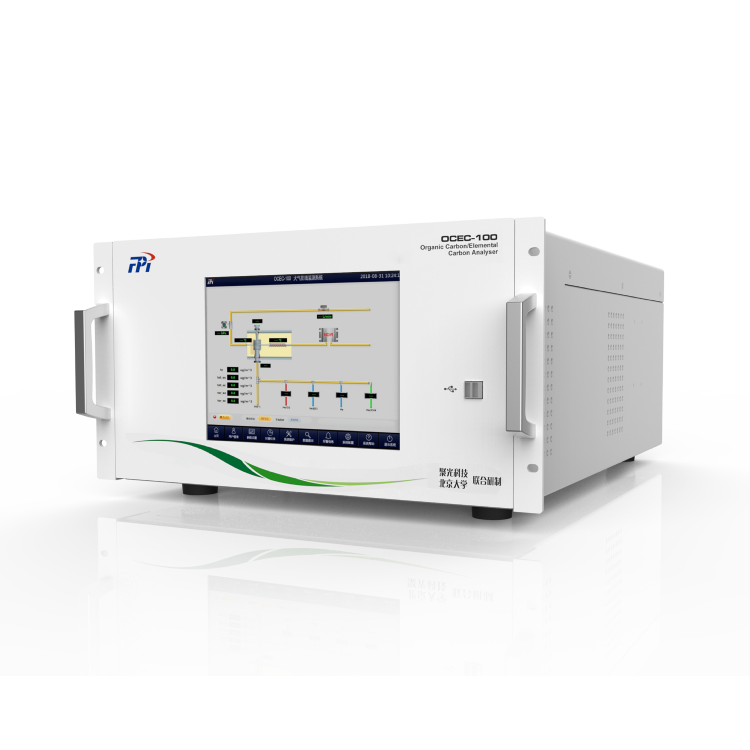
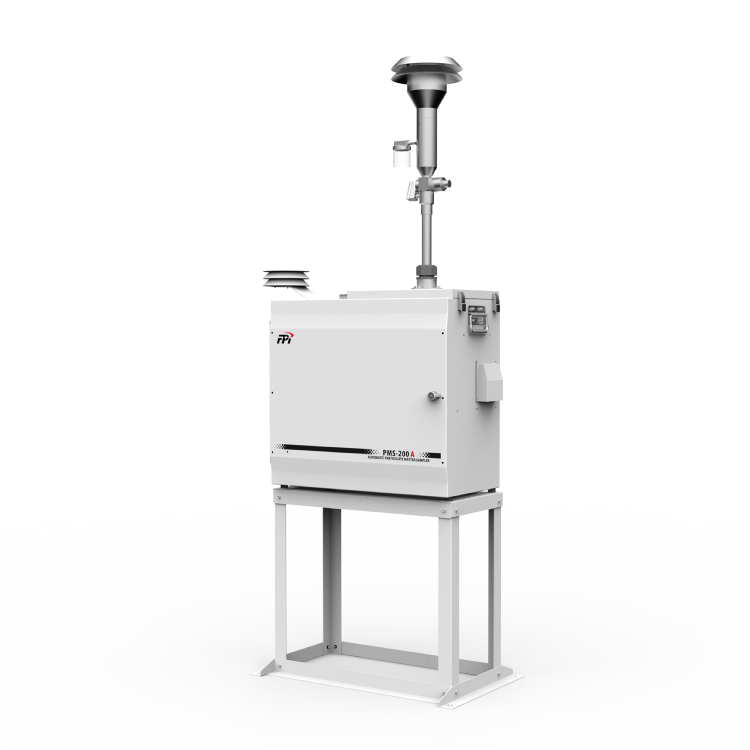
Particulate and source analysis probes atmospheric aerosols through beta-ray attenuation, X-ray fluorescence, and thermal-optical spectroscopy to quantify mass and origins. FPI’s AMMS systems measure PM2.5/PM10 (0-10 mg/m³, ±1% F.S.) using 14C beta-ray attenuation, analyze 30+ elements (e.g., Pb, S, 0-100 μg/m³) with XRF at 5 eV resolution, and resolve OC/EC at 0.1 μg/cm² via thermal-optical methods, per EPA IO-3.4 and IMPROVE protocols. Systems minimize consumables (only filter tape) for 50% cost savings, with AI-driven positive matrix factorization (PMF) achieving 85% source accuracy for traffic or industrial emissions. Calibration with NIST SRM 2786 ensures <2% drift. In 2025, FPI’s analyzers support hyperlocal PM mapping, addressing “particulate analyzer” and “source apportionment” searches with real-time IoT data.

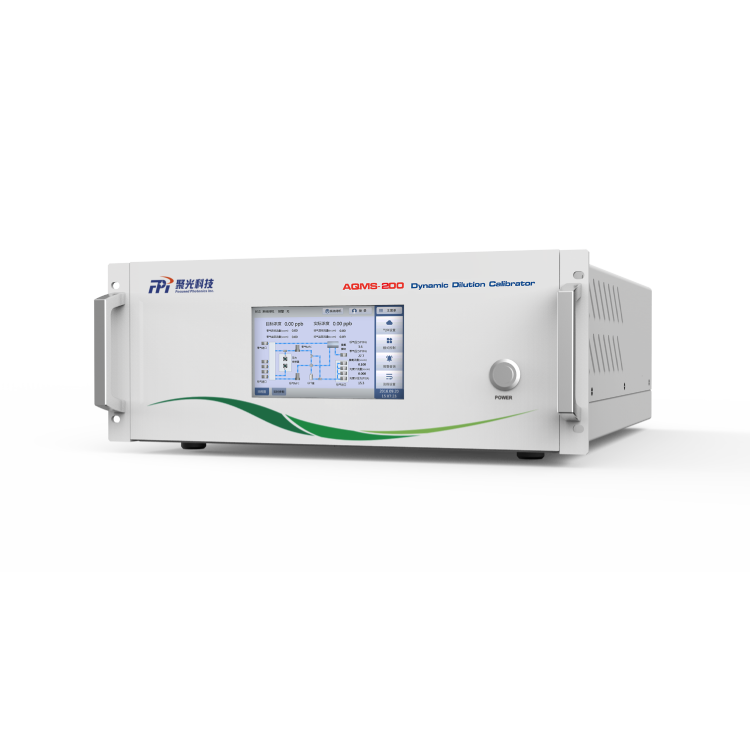
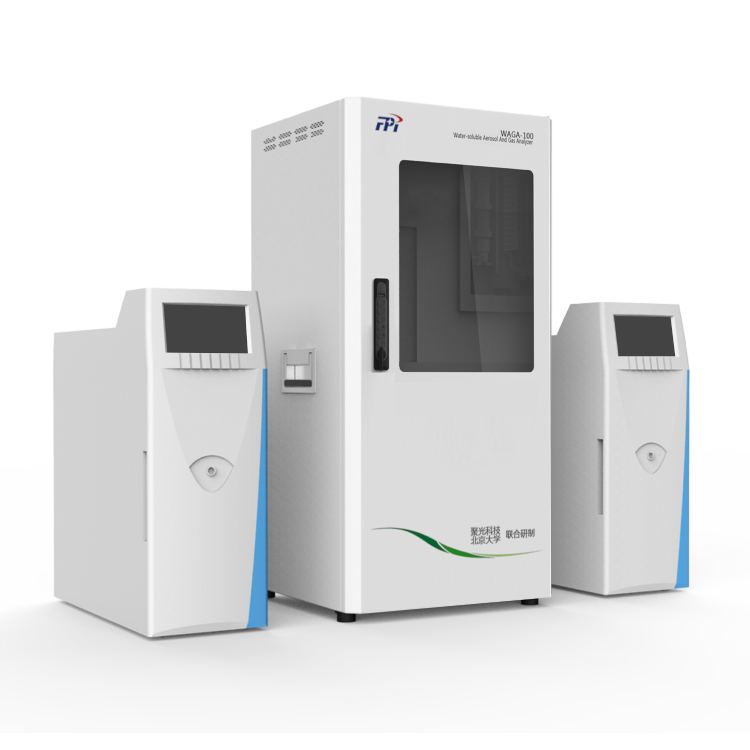
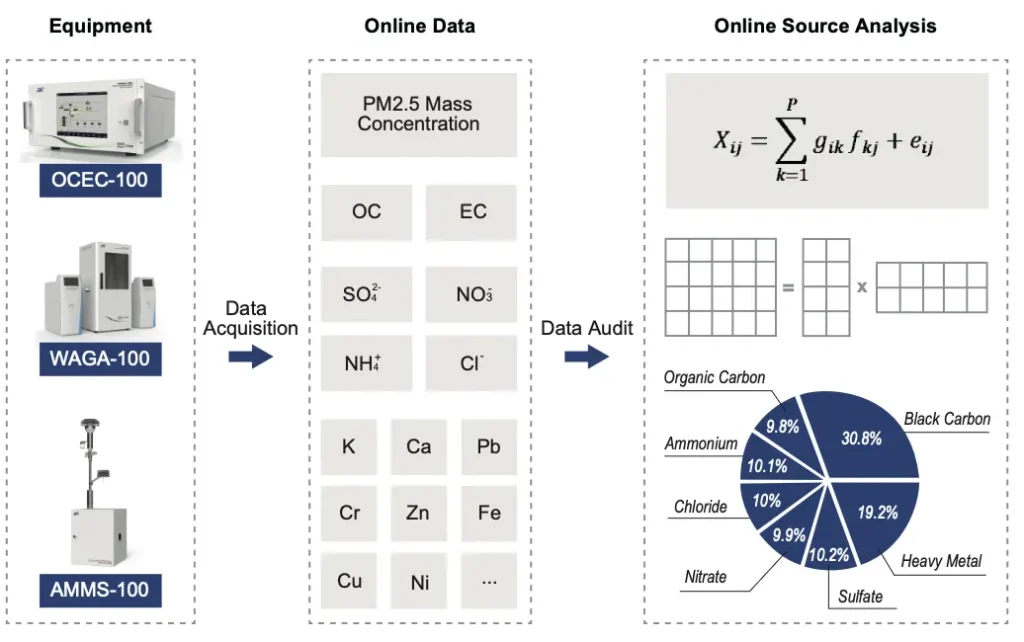
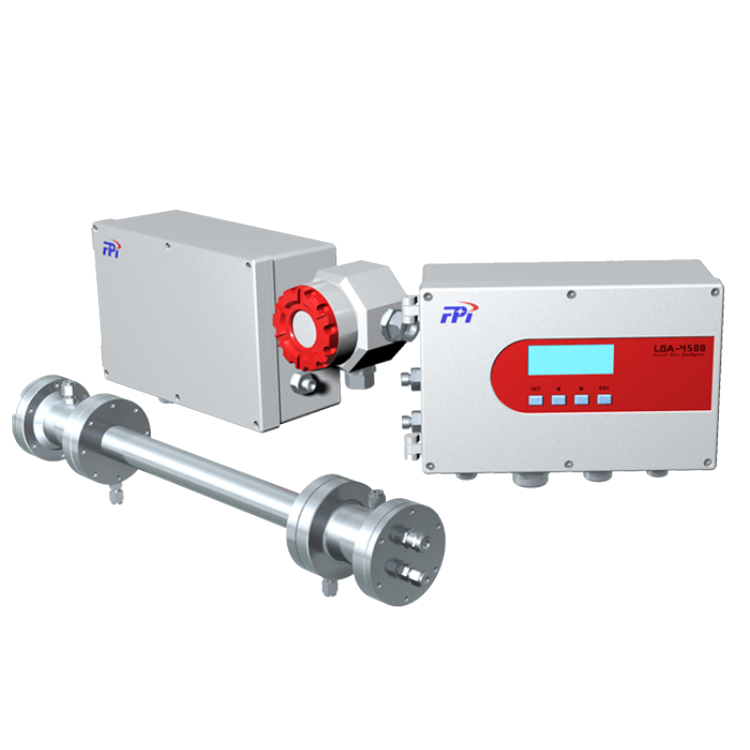
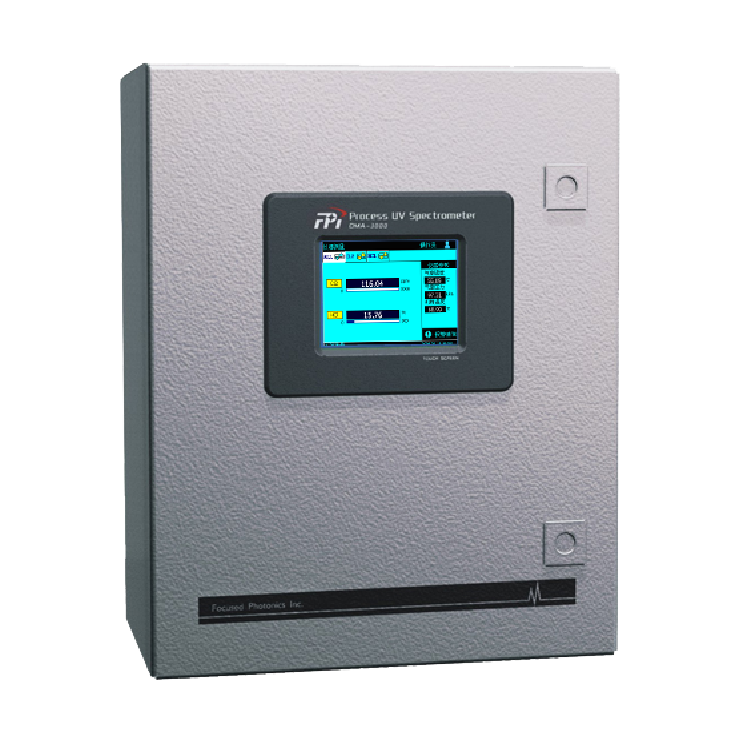
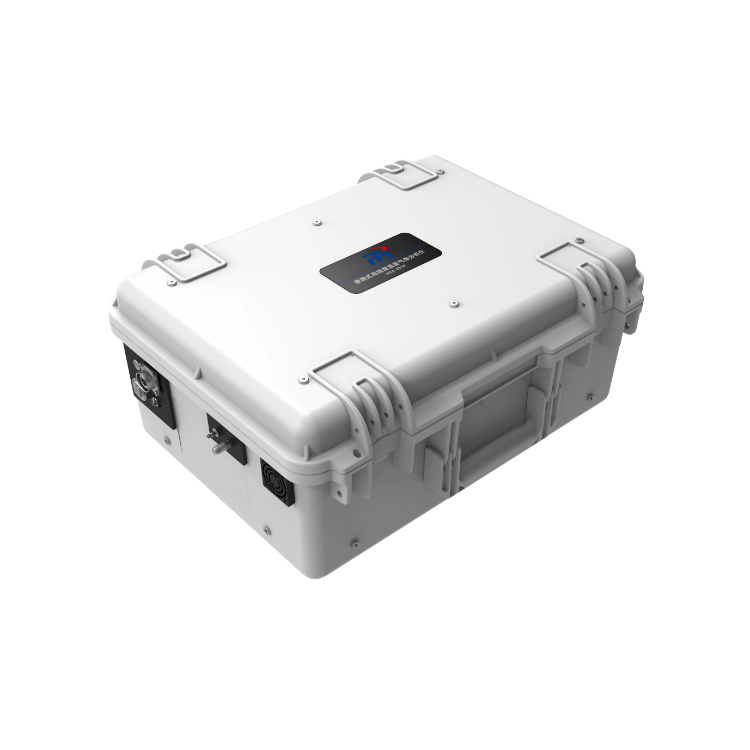
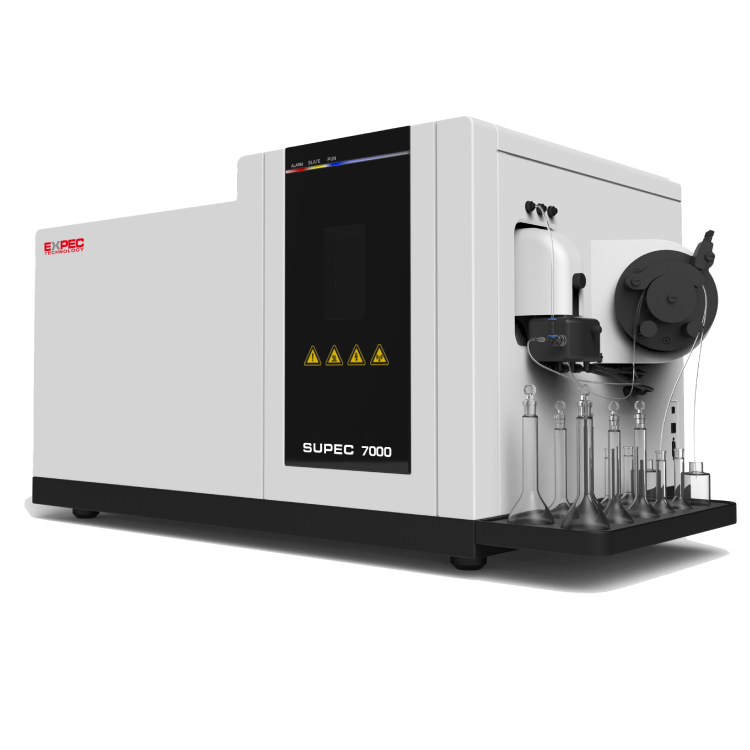
FPI Atmospheric Particles Online Source Analysis System by integrating the AMMS-100, OCEC-100, WAGA-100 and the PMF online source analysis model, which realizes the traceability and causes analysis of particulate matter pollution. The system can provide long-term basic data and technical support for the precise management of regional air pollution and the refined management of air quality, as well as for emergency response to heavy pollution and assessment of the effectiveness of treatment. So far, this solution has been deployed in many cities across China to provide data and technology supporting for the local governments and environmental protection authorities.

FPI Particulate and Source Analysis Applications

FPI’s systems power 3,000+ monitoring stations, deploying 800+ units annually, decoding PM sources for cleaner air.

These systems, integrated with cloud PMF, support 5+ national air quality policies, advancing SDG 11 sustainable cities.

Why FPI Excels in Particulate & Source Analysis

FPI’s AMMS series delivers precision and efficiency with 20 years of analytical expertise and ISO 17025 certifications.

Multi-Parameter Analysis
Robust Design
Cost Efficiency
Data Integration
Global Standards

System Structure Of FPI Particulate & Source Analysis System

Supporting Application: The FPI’s Atmospheric Particles Online Source Analysis System regularly outputs the source tracing analysis reports to guide the regional air pollution control and air quality management. To enable more precise management objectives, it can subdivide pollution sources under users’ needs.

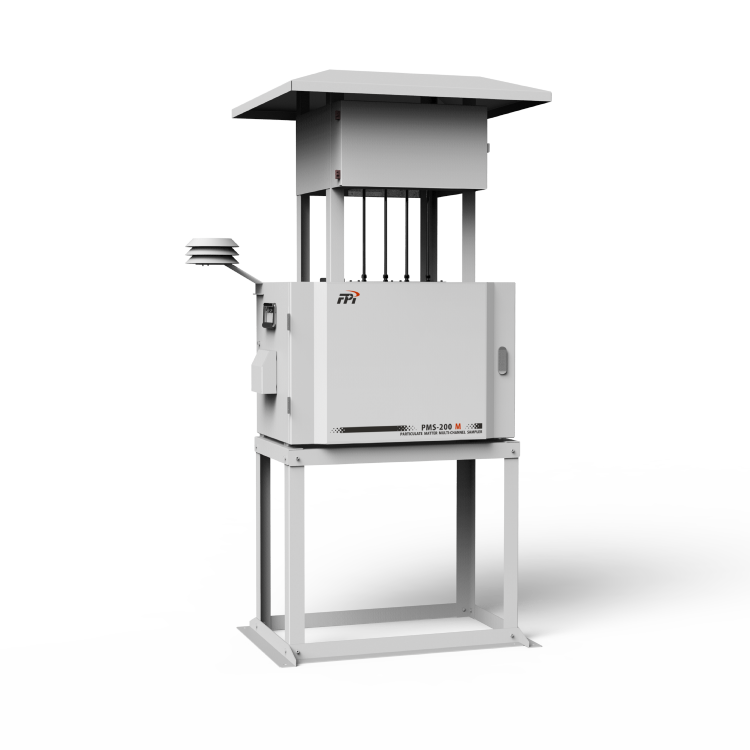
Unified Sample Source:Equipped with a unified sampling system enables the samples from the same source and ensures the results’ accuracy.

FPI Particulate and Source Analysis Impacts

FPI systems drive air quality progress: urban networks reduce PM violations by 20%, industrial sites avoid USD 150K fines via compliance, and rural monitors cut biomass emissions by 15%. With portable designs and open APIs, FPI enhances 25% of local AQI forecasts, supporting inclusive air quality management.

Particulate and Source Analysis Questions

Accuracy in Dusty Environments?
  • Beta-ray auto-purge ensures <2% error in 500 μg/m³ dust, per EPA IO-3.3.

PMF identifies 85% of sources (e.g., traffic, industry) using elemental and wind data.

Monthly tape replacement, quarterly NIST SRM 2786 calibration, <1% bias.

Modbus TCP feeds PM data to ArcGIS for plume tracking in urban grids.

IMPROVE protocols meet PM2.5 <12 μg/m³, with logs for 2008/50/EC.

Heated filters maintain <3% drift in -20°C, per ASTM D7039.

Request Callback

If you have any questions concerning our services, please fill out the contact form below.

Send Your Inquiry Today

Fill out the form below, and we will be in touch shortly.
Contact Information
Project Details