Thermal Conductivity
Focused Photonics Inc. (FPI) empowers researchers and laboratories with cutting-edge Mass Spectrometers that illuminate the molecular landscape with extraordinary detail and speed. Our ICP-MS, triple quadrupole, and time-of-flight (TOF) systems deliver femtogram-level sensitivity for elemental and molecular analysis, accelerating breakthroughs in life sciences, environmental forensics, and materials innovation.
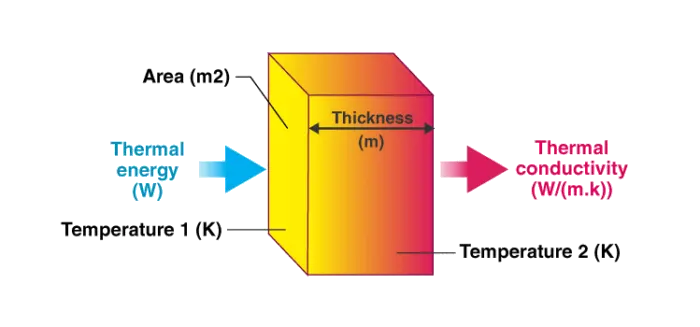
Harnessing Heat: The Science of Thermal Conductivity Analysis
Mass spectrometry dissects samples by ionizing molecules, accelerating them through electric fields, and separating them by mass-to-charge ratio (m/z) to generate detailed spectra. FPI’s ICP-MS variants ionize via a high-temperature plasma torch, atomizing samples into charged particles for precise quantification, while TOF systems leverage time-of-flight principles for ultra-rapid, high-resolution profiling.
Read MoreLess
This technique, pioneered in the early 1900s and refined through decades of ion optics evolution, now integrates with chromatography for LC-MS/GC-MS hybrids, resolving complex mixtures in minutes. FPI’s innovations, like automated collision cells for interference-free detection, elevate routine analyses to research-grade precision, supporting 2025’s emphasis on single-cell proteomics and trace contaminant mapping in climate studies.
From isotopic ratio determinations in geochemistry to drug metabolite identification in pharmacogenomics, FPI spectrometers yield data with <1% relative standard deviation, transforming hypotheses into validated discoveries.
Industry Impact: Where FPI’s TCD Analyzers Excel
With over 8,000 installations and 2,000+ units shipped annually, FPI’s Thermal Conductivity Analyzers drive efficiency and safety across critical sectors, delivering actionable insights for process optimization and regulatory compliance.
Coal Chemical and Metallurgy
In syngas production and blast furnaces, our analyzers monitor H2 and CO to optimize combustion and reduce carbon emissions. A 2024 Baosteel deployment used the LGA-C300 to improve calorific value control, boosting energy recovery by 18% while meeting China’s ultra-low emission standards.
Hydrogen Production and Fuel Cells
As hydrogen adoption surges in 2025, FPI’s TCD systems measure H2 purity in electrolysis and reforming processes, ensuring compliance with ISO 14687 standards. Case Study: A Sinopec hydrogen plant leveraged our analyzers to maintain 99.999% purity, avoiding costly catalyst poisoning.
Petrochemical and Gas Processing
Monitoring helium in natural gas or argon in chemical reactors, our systems enhance yield precision. In LNG facilities, TCD ensures accurate CH4/H2 ratios, supporting safe liquefaction processes.
Emerging Applications: Green Energy and Biogas
FPI analyzers track CO2/H2 blends in biogas upgrading, aligning with circular economy goals. Portable TCD units for field testing are gaining traction in 2025 for decentralized energy audits, reducing inspection costs by 20%.
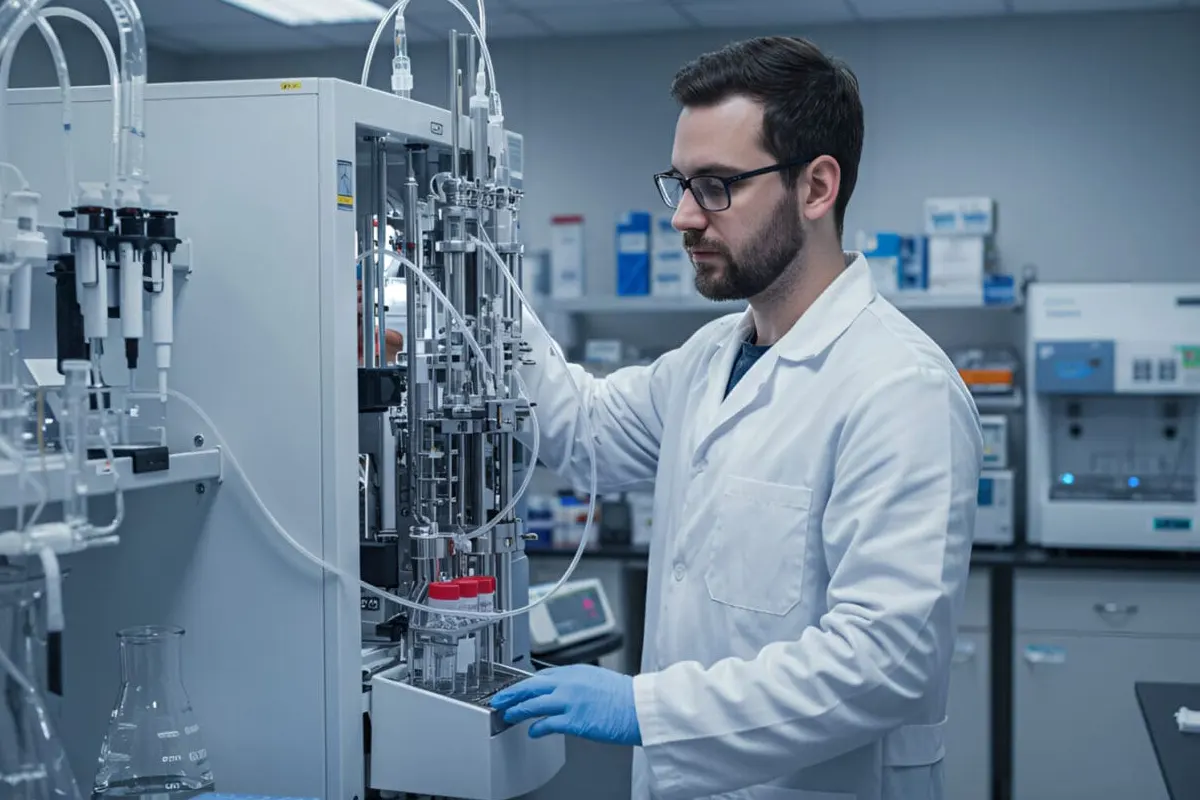
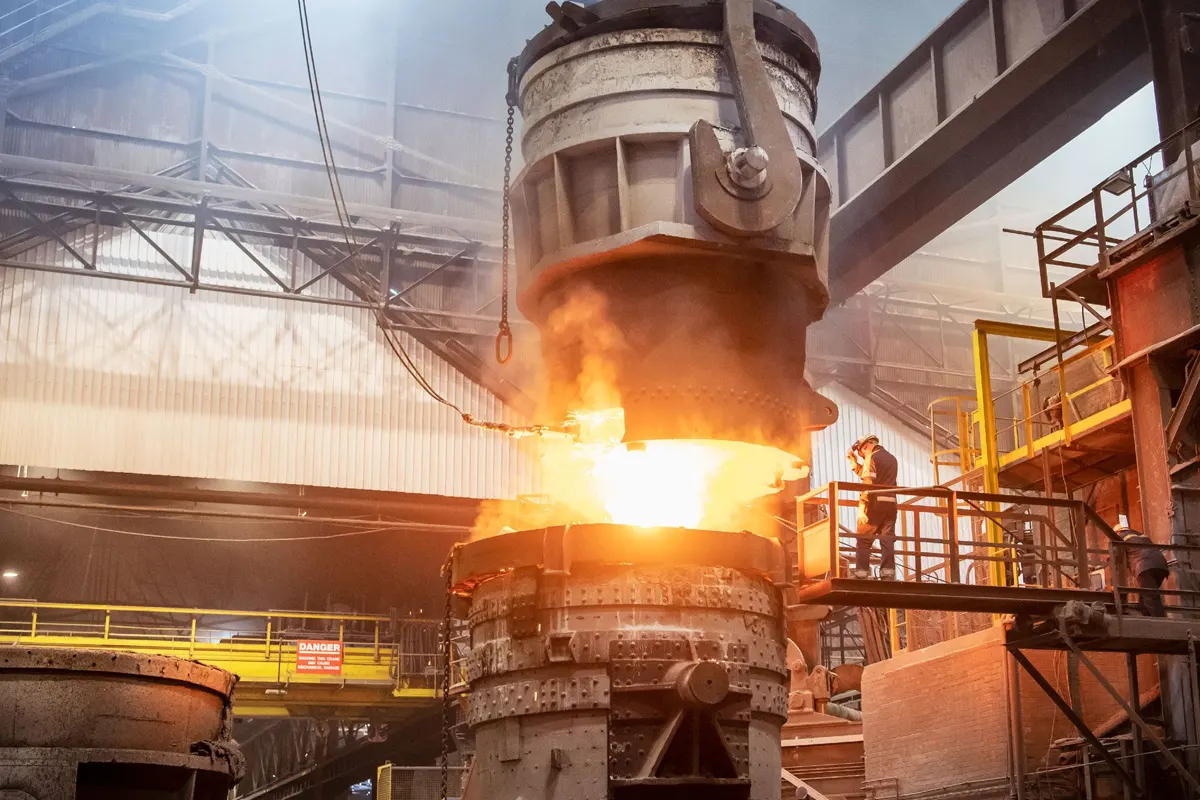
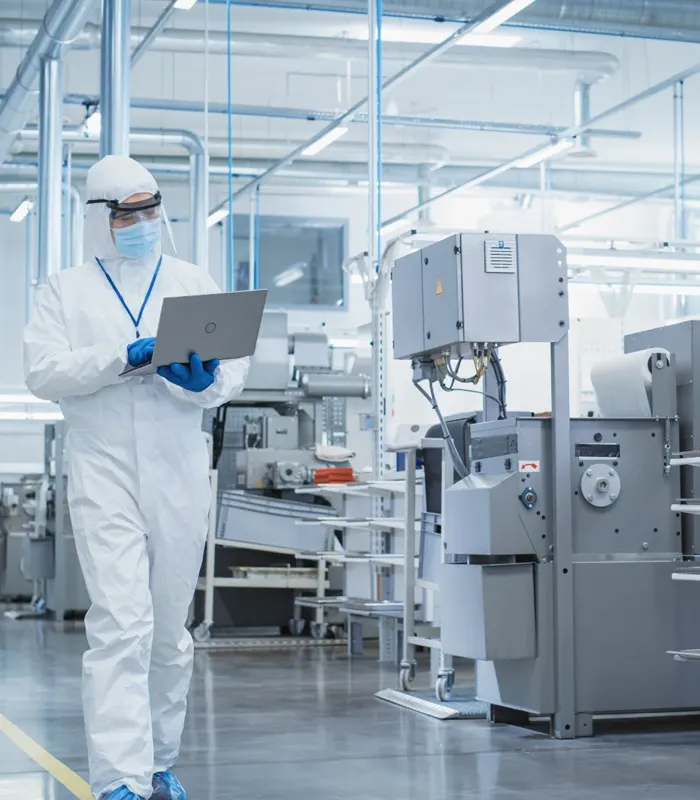
These deployments underscore FPI’s role in enabling net-zero transitions, with clients reporting up to 25% efficiency gains in energy-intensive processes.
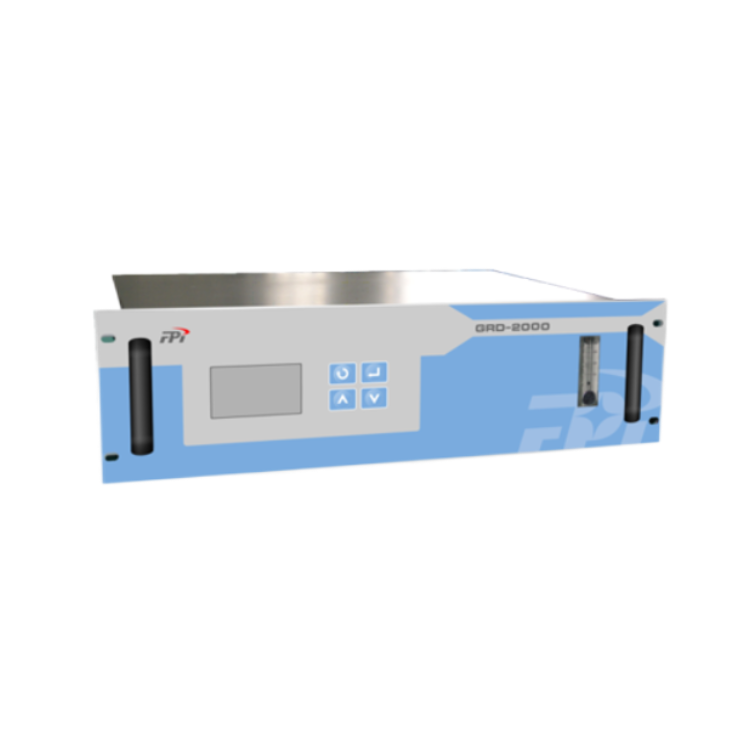
GRD-2000 Thermal Conductivity Gas Analyzer
Tag : TCD gas analyzer ; Thermal Conductivity Analyzers
Why FPI Leads in Industrial Leak Detection
With 22 years of innovation, 888+ patents, and accolades like the China Patent Gold Award, FPI delivers detectors that redefine reliability and cost-efficiency, surpassing competitors like Honeywell and MSA in versatility and field performance.
Inside the Technology: How FPI’s TCD Analyzers Operate
FPI’s Thermal Conductivity Analyzers follow a streamlined process for reliable gas analysis:
- Gas Sampling and Exposure: Process gas flows through a thermally isolated chamber, interacting with heated filaments or thermistors.
- Thermal Response: Variations in gas conductivity alter filament temperature, shifting resistance in the Wheatstone bridge.
- Signal Conversion: Digital processors translate resistance changes into concentration data, with algorithms compensating for pressure and temperature fluctuations.
- Data Output: Real-time results feed to SCADA or cloud platforms, with visual dashboards for operator insights.
This robust workflow, illustrated in our interactive schematics, ensures uptime in continuous operations.
TCD vs. Competing Technologies
| Technology | Target Gases | Sensitivity | FPI Edge | Vs. Competitor |
|---|---|---|---|---|
| Thermal Conductivity | H2, He, CH4, CO | 0.5% FS | LGA-C300: Hybrid TDLAS | More versatile than Siemens’ TCD-only |
| TDLAS (Laser) | CO, CO2, NH3 | ppb | Complementary precision | Limited to specific gases vs. FPI’s broad range |
| Electrochemical | CO, H2S | ppm | Lower sensitivity | Shorter lifespan than FPI’s TCD |
| IR Spectroscopy | CO2, CH4 | %/ppm | Susceptible to moisture | FPI’s TCD excels in wet gases |
FPI’s hybrid approach addresses 2025’s multi-gas process demands.
Strategic Advantages: Optimizing Processes with FPI TCD
FPI’s analyzers empower industries to anticipate issues: In metallurgy, real-time H2 monitoring prevents over-reduction, saving 10% on fuel costs; in biogas, CO2/H2 ratios optimize methane yield. Compared to Yokogawa’s high-maintenance TCDs, FPI’s low-drift sensors and cloud analytics offer 35% faster ROI, aligning with 2025’s digital transformation trends.
Expert Insights: Addressing Thermal Conductivity Queries
How do FPI analyzers handle high-moisture process streams?
Proprietary drying modules and temperature compensation ensure <2% error in 90% RH, outperforming standard TCDs that require external dryers.
What calibration support is provided for remote installations?
Remote diagnostics via 4G and auto-calibration algorithms reduce on-site visits to once every 24 months, with virtual training for local teams.
Can FPI TCD systems be customized for niche applications like helium recovery?
Yes, we tailor sensor ranges and enclosures for He/N2 mixtures, with 1-week prototyping for specific recovery plants.
How do FPI analyzers integrate with Industry 4.0 platforms?
IoT-enabled units sync with OPC UA platforms, enabling predictive maintenance via real-time data feeds, a key 2025 trend.
What’s the typical lifespan of FPI’s TCD sensors in abrasive environments?
Filaments last 5+ years in dusty coal plants, with field-replaceable modules cutting downtime versus competitors’ 2-year cycles.
How do FPI systems ensure accuracy for low-concentration hydrogen in syngas?
Hybrid TDLAS-TCD calibration achieves 0.1% H2 sensitivity, validated against NIST standards for syngas applications.
Request Callback
If you have any questions concerning our services, please fill out the contact form below.