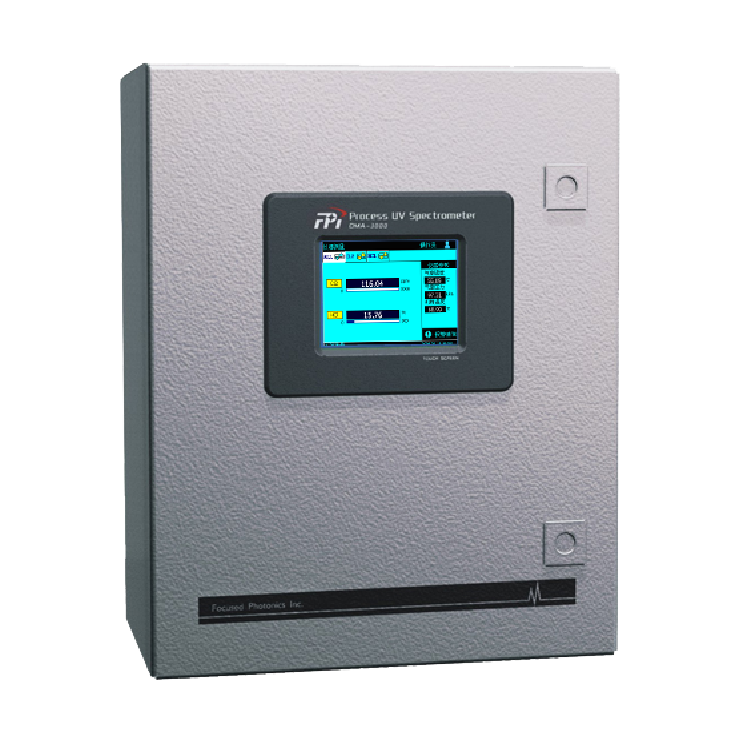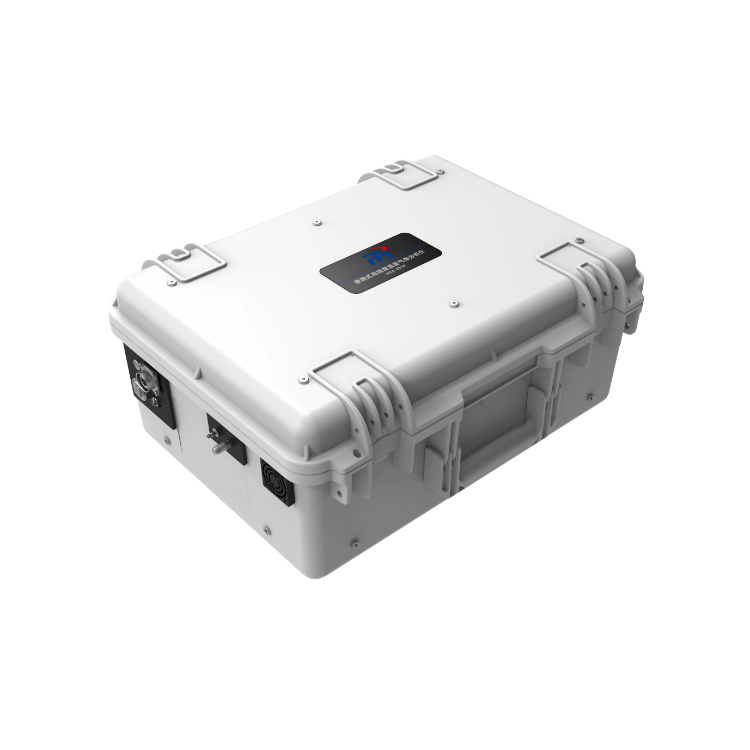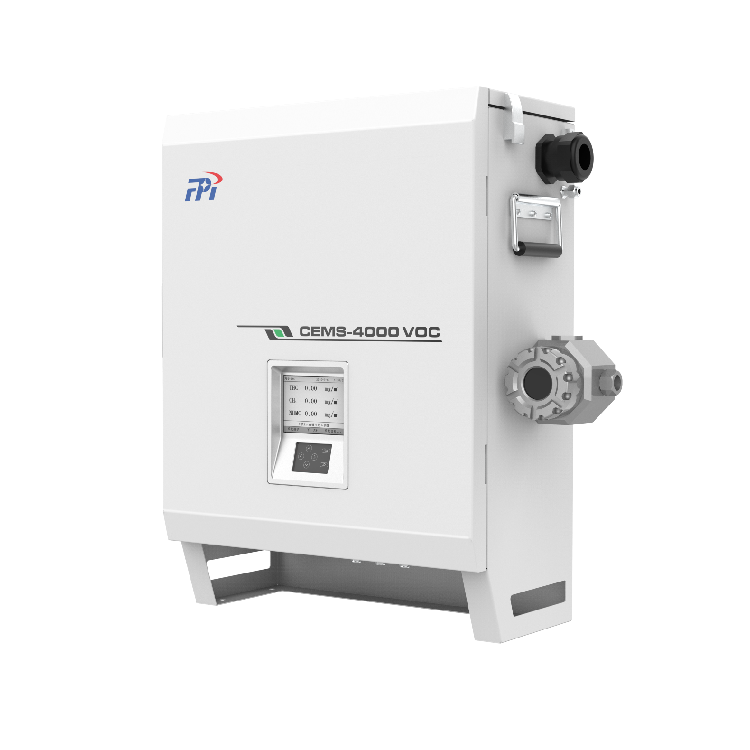
Industrial Mass Spectrometer
Empowering precision at the molecular level, Focused Photonics Inc. (FPI) delivers next-generation mass spectrometers that unlock unparalleled insights into complex samples. Our ICP-MS platforms, encompassing single quadrupole, triple quadrupole, and time-of-flight (TOF) architectures, cater to demanding B2B needs in environmental testing, food safety, and materials science. As the global mass spectrometry market surges to USD 7.26 billion in 2025 with a projected CAGR of 7.2% through 2030, FPI’s customized solutions—from online monitoring to mobile units—drive compliance and innovation, outpacing traditional workflows with AI-enhanced data processing and portability trends shaping 2025 landscapes.
Decoding the Atomic World: Mass Spectrometry Essentials
Mass spectrometry (MS) stands as the gold standard for elemental and molecular identification, ionizing samples and sorting ions by mass-to-charge ratio (m/z) to reveal trace contaminants or isotopic signatures. FPI’s ICP-MS systems ionize via inductively coupled plasma (ICP), vaporizing and atomizing samples at 6,000–10,000 K before mass separation—delivering femtogram-level detection for metals, organics, and isotopes.
Read MoreLess
Born from early 20th-century innovations like J.J. Thomson’s cathode ray experiments, modern MS integrates quadrupole filters for routine quantitation or TOF for high-throughput profiling. FPI differentiates with hybrid online/mobile formats, bypassing lab bottlenecks for in-field analysis. This versatility shines in regulatory-driven sectors, where ICP-MS ensures adherence to EPA Method 200.8 or EU REACH standards, while TOF variants accelerate proteomics workflows amid 2025’s push for faster, greener analytics.
Whether tracing pollutants in wastewater or verifying alloy compositions, FPI MS tools yield defensible data, reducing false positives by 30% through proprietary collision/reaction cells.
Proven Excellence: FPI Mass Specs in Action Across Disciplines
With over 10,000 units deployed and annual sales topping 2,000, FPI mass spectrometers fuel breakthroughs in high-stakes environments, blending lab-grade accuracy with field-ready mobility.
Safeguarding Ecosystems: Environmental Vigilance
In water and soil remediation, FPI's online ICP-MS monitors heavy metals like Pb and As in real-time at treatment plants, supporting SDGs for clean water. A collaboration with China's National Environmental Monitoring Center traced urban runoff contaminants, enabling 20% faster policy interventions.
Fortifying Supply Chains: Food and Pharma Integrityand Refinery Safeguards
Triple quadrupole ICP-MS quantifies pesticide residues or elemental impurities in grains and APIs, aligning with FDA limits. For biopharma, our systems profile protein therapeutics, as seen in a Sinopec-adjacent project that streamlined impurity profiling, slashing validation times by 40%.
Fueling Innovation: Materials and Nuclear Frontiers
TOF-MS excels in semiconductor fabs for dopant analysis and nuclear labs for isotope ratios, with direct solid sampling minimizing prep errors. Emerging 2025 applications include microplastics forensics in marine samples, where FPI's portable units outmaneuver benchtop rivals for on-site versatility.
Clinical and Research Horizons
From toxicology screens in urine to enzyme mechanism studies, FPI's automated systems integrate with LC for hybrid workflows, boosting throughput in disease control labs.
These implementations highlight a 15-25% ROI via reduced retesting, positioning FPI as a trusted partner in ESG-mandated analytics.
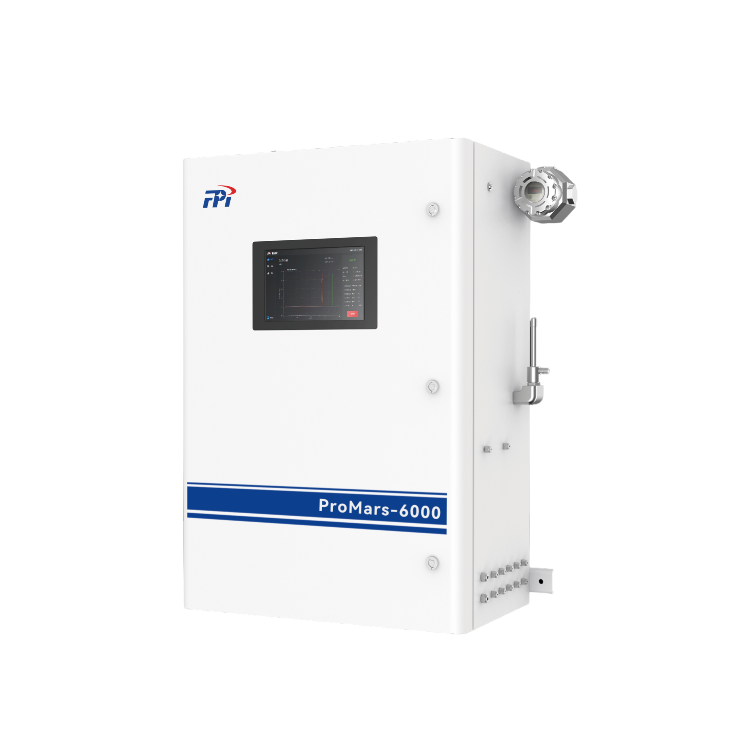
Why Partner with FPI for Mass Spectrometry?
Anchored in 22 years of core tech autonomy, FPI's 888+ patents and National Enterprise Technology Center status propel MS innovations beyond imports. Unlike Thermo Fisher's high-end but costly Orbitraps or Agilent's quadrupole-focused lines, our platforms emphasize affordability and scalability for emerging markets.
Inside the Ion Trail: How FPI Mass Specs Work
FPI’s MS workflow demystifies sample interrogation through a streamlined ion odyssey:
- Sample Introduction and Ionization: Nebulized liquids or direct solids enter the ICP torch, generating a plasma plume that strips electrons, creating singly charged ions.
- Mass Separation Dynamics: Quadrupoles use oscillating RF/DC fields to filter ions by stability; TOF accelerates them in a field-free drift tube, separating by velocity for ultra-fast resolution.
- Detection and Quantification: Electron multipliers amplify signals, with software deconvoluting peaks against libraries for ppb accuracy.
- Customization Layers: Collision cells mitigate interferences; autosamplers handle 100+ vials unattended.
This efficiency contrasts with older sector instruments, offering 5x speed gains for high-volume labs.
MS Architectures at a Glance: FPI’s Versatile Arsenal
| Technology | Resolution | Speed | Best For | FPI Innovation |
|---|---|---|---|---|
| Single Quadrupole ICP-MS | Unit mass | Moderate | Routine metals | Automated tuning for 72 elements |
| Triple Quadrupole ICP-MS | High (interference-free) | High | Trace organics | Reaction cell for polyatomic removal |
| ICP-TOF-MS | Ultra-high (>10,000) | Ultra-fast | Isotopic imaging | Direct solid sampling module |
FPI’s hybrids bridge gaps, ideal for 2025’s multi-omics demands.
Process Catalysts: Broader Impacts of FPI Spectrometers
FPI MS catalyzes purity: In synthesis, it trims 15% impurities; in fabs, cuts 20% defect rates. With open protocols and low-SWaP, our systems foster digital process twins, refining 25% of yield indices for sustainable manufacturing.
Insightful Queries: Navigating Mass Spec Mastery
How does integrating MS with chromatography enhance workflow efficiency?
Pairing ICP-MS with LC/GC upfront separation boosts compound specificity, cutting analysis cycles from days to hours for complex matrices like soil extracts.
What support does FPI offer for regulatory accreditation?
We provide full IQ/OQ/PQ protocols and virtual training modules, ensuring seamless audits under ISO 17025 or GLP standards.
Can FPI MS systems handle high-matrix samples without dilution?
Yes, our matrix-tolerant plasma and dynamic reaction cells manage brines or organics up to 5% TDS, minimizing prep steps.
How future-proof are FPI spectrometers for emerging contaminants?
Modular upgrades support PFAS or microplastic assays via software patches, aligning with evolving EPA lists.
What's the typical lead time for custom MS configurations?
2-4 weeks for standard builds, with express options for urgent deployments like emergency monitoring kits.
How do FPI MS endure corrosive pharma vapors?
SS316L ionizers and pressure compensation sustain <1% drift in 50% humidity, per FDA 21 CFR 211.
Request Callback
If you have any questions concerning our services, please fill out the contact form below.