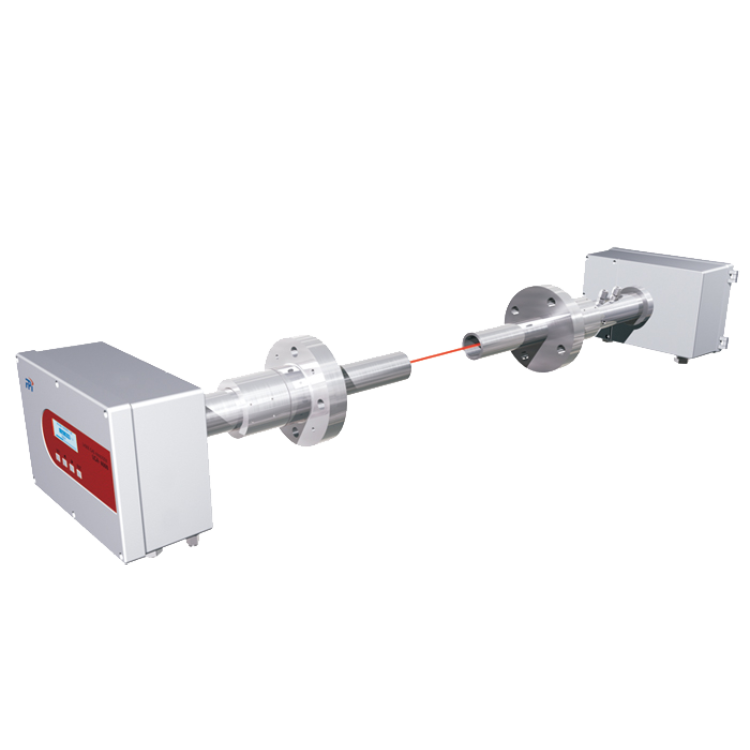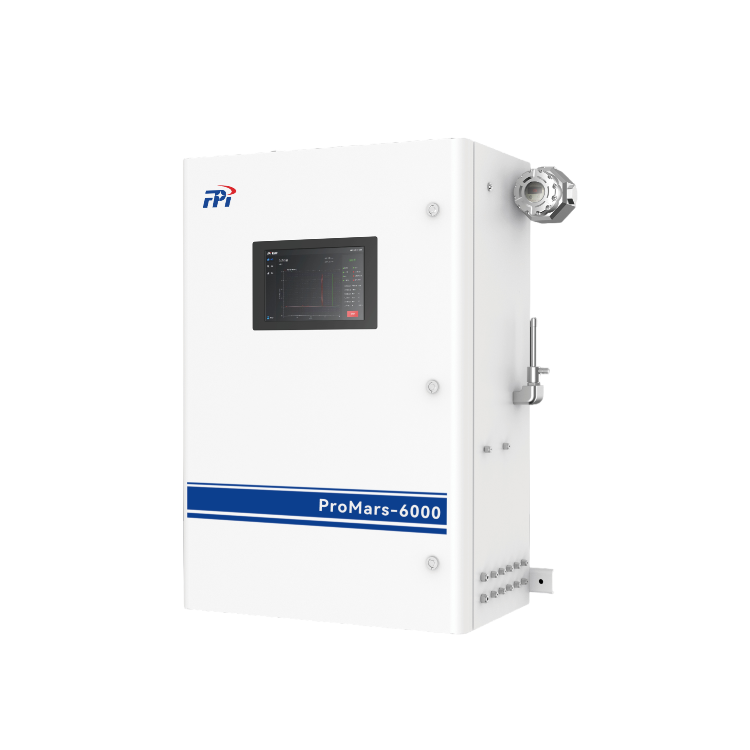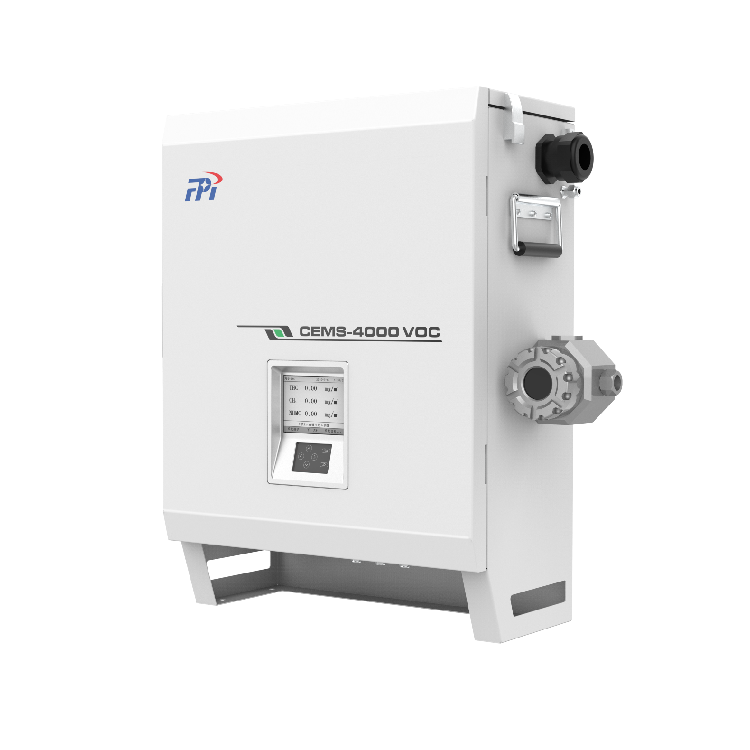
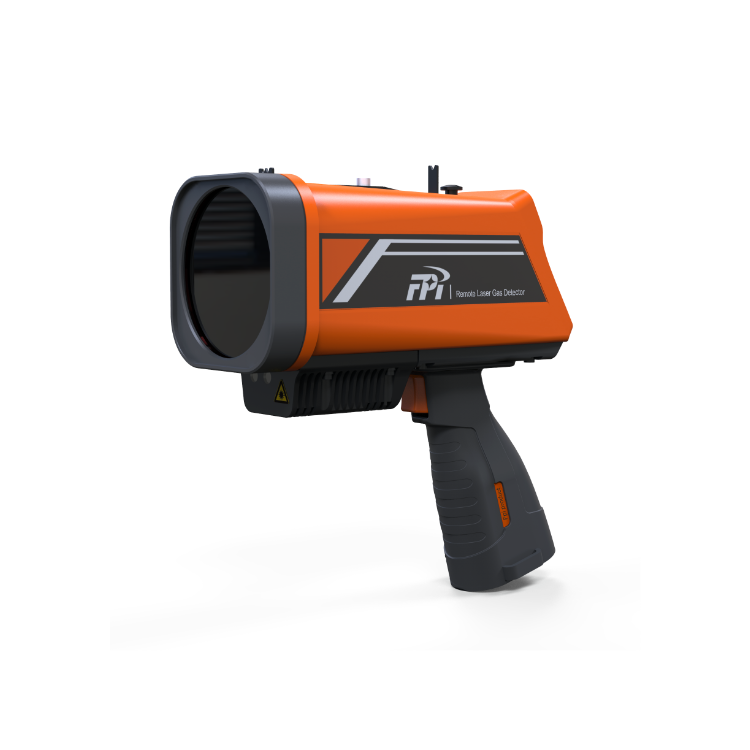
Remote Laser Gas Detector
In the high-stakes world of industrial safety and environmental stewardship, Focused Photonics Inc. (FPI) pioneers remote laser gas detectors that transform invisible threats into actionable intelligence. Our TDLAS-powered devices enable non-contact, standoff detection up to 30 meters, safeguarding personnel and assets in oil & gas, petrochemical, and regulatory enforcement scenarios. As the global laser methane detector market surges from USD 167 million in 2024 to a projected USD 231 million by 2031 at a CAGR of 4.8%, FPI’s rugged, explosion-proof solutions are at the vanguard of 2025 innovations, including drone integrations for elevated leak surveys and IoT-enabled real-time alerts.
Illuminating Hidden Hazards: The Science Behind Remote Laser Detection
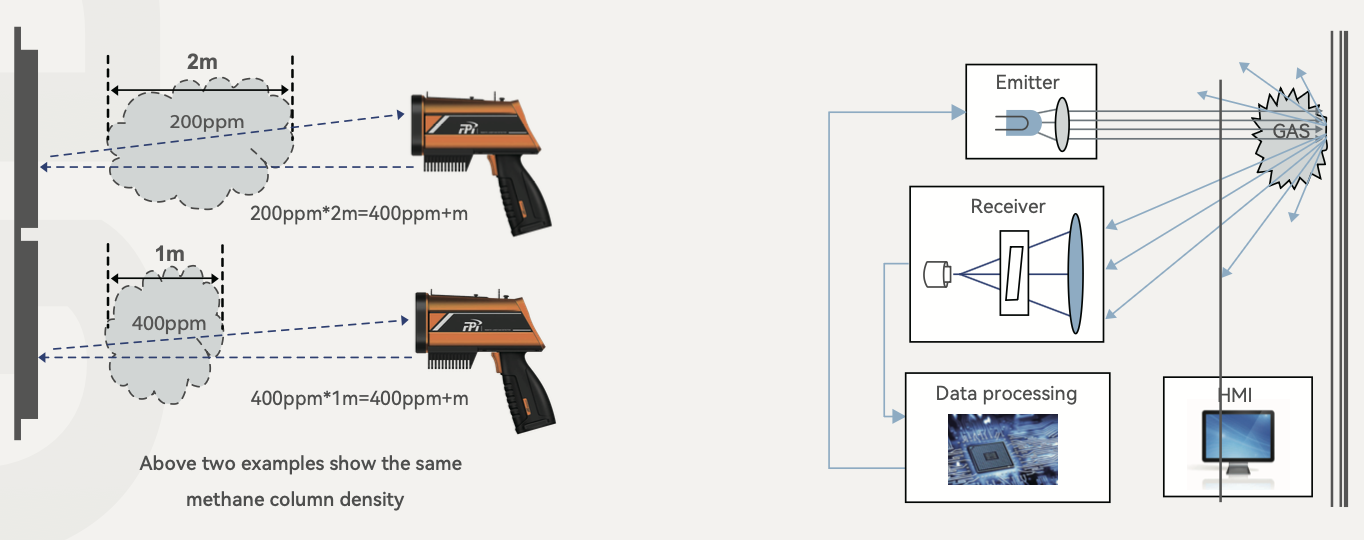
Remote laser gas detection leverages Tunable Diode Laser Absorption Spectroscopy (TDLAS) to pinpoint leaks from a safe distance, revolutionizing how industries tackle fugitive emissions like methane (CH4) and volatile organic compounds (VOCs). Unlike point sensors that require close proximity, this technology projects a laser beam toward a reflective surface—such as a pipe flange or terrain—where backscattered light carries absorption signatures from intervening gases. The detector analyzes these signals to quantify concentrations in ppm·m, delivering instant visualizations on an intuitive LCD screen.
Read MoreLess
This approach, refined since the 1990s through advancements in diode lasers and signal processing, excels in dynamic environments by filtering out noise from steam, dust, or wind. FPI’s proprietary self-check and auto-calibration ensure drift-free performance, with ultra-fast response times under 1 second. In practice, it empowers operators to scan expansive sites without halting production, aligning with 2025 regulatory pushes for proactive methane mitigation under frameworks like the EU’s Methane Regulation and U.S. EPA updates.
From offshore platforms to urban gas lines, these detectors mitigate risks of explosions and climate impacts, with studies showing remote sensing reduces leak response times by 70% compared to manual inspections.
Real-World Impact: Deploying Remote Detection Across Critical Sectors
FPI's remote laser gas detectors have logged thousands of field hours, from routine patrols to emergency responses, proving their mettle in preventing multimillion-dollar incidents. With over 10,000 cumulative deployments and annual volumes exceeding 2,000 units, our systems deliver quantifiable ROI through reduced downtime and compliance assurance.
Oil & Gas Infrastructure Patrols
In refineries and pipelines, operators use FPI detectors to trace CH4 plumes along kilometers of lines, identifying micro-leaks at valves or welds before they escalate. A PetroChina deployment in 2024 detected 15 unreported emissions sites, averting 50 tons of annual methane release—equivalent to removing 1,000 cars from roads. Integration with drones, a burgeoning 2025 trend, extends coverage to elevated or hazardous zones like flare stacks.
Petrochemical and Refinery Safeguards
Amid high-pressure processes, these tools monitor VOCs around storage tanks and distillation units, flagging hazards like benzene vapors. In a Sinopec case, FPI's system pinpointed a flange leak during a live audit, enabling immediate isolation and avoiding a shutdown valued at USD 500,000 daily.
Environmental Enforcement and Municipal Utilities
Regulators leverage handheld portability for rapid site audits, with GPS-tagged logs streamlining reporting. For natural gas distribution, detectors scan urban mains from sidewalks, supporting leak-prone point surveys under PHMSA guidelines. Emerging applications include underwater methane remote sensing via adapted optics, as explored in recent sensor array innovations.
Forward-Looking Horizons: Drones and AI Synergies
Looking to 2025, FPI detectors pair with UAVs for aerial methane mapping, addressing the drone-mounted remote leak market's explosive growth. AI enhancements, like anomaly detection in spatio-temporal data, promise predictive flagging of intermittent leaks, boosting efficiency in complex terrains.
These deployments underscore a 25% average reduction in fugitive emissions for FPI users, fostering safer operations and ESG credibility.
FPI's Distinctive Edge: Engineering Reliability for the Frontlines
Drawing on 22 years of photonics mastery, 888+ patents, and accolades like the National Science and Technology Progress Award, FPI crafts remote detectors that eclipse rivals in reach and resilience. While competitors like Dräger and BW Technologies offer solid portables, FPI's 30-meter standoff—double the industry norm—combined with Ex ic nc op is II C T4 Gc certification, sets us apart for explosive atmospheres.
Stand-Off Foundations: Unpacking FPI's Remote Detection
FPI’s detectors trace leaks through layered precision:
- Beam Projection: Tunable lasers scan plumes, thermal lens capturing refraction.
- Signal Capture: Detectors measure absorption/contrast, AI isolating edges.
- Plume Quantification: Algorithms fit spectra, calculating volume/rate.
- Insight Delivery: Apps log GPS-tagged videos, exporting for SCADA.
This remote conduit, depicted in our beam schematics, ensures vigilant safety.
Remote Techniques Table: FPI’s Detection Diversity
| Technique | Targets | Sensitivity | Deployment Fit | FPI Enhancement |
|---|---|---|---|---|
| TDLAS Stand-Off | CH4, H2S | 10 ppm | Pipelines | 50m range tuning |
| Thermal Imaging | VOCs Leaks | 50 mK | Fencelines | AI plume edge |
| Drone Fusion | Multi-gas | <5% Error | Aerial Surveys | Vibration compensation |
| Video Overlays | Toxics | Real-Time | Storage | GPS geotagging |
FPI’s remotes reach 2025’s stand-off imperatives.
Leak Catalysts: Broader Impacts of FPI Detectors
FPI remotes catalyze prevention: In pipelines, they avert 25% methane releases; in fencelines, slash 30% LDAR costs. With open APIs and low-SWaP, our tools foster automated patrols, refining 25% of safety indices for zero-emission goals.
Quick Insights: Addressing Common Remote Detection Queries
How far can FPI remote lasers reliably detect methane leaks?
Up to 30 meters in clear conditions, with sensitivity holding in moderate fog or steam—superior for offshore or pipeline use.
What sets remote TDLAS apart from optical gas imaging (OGI) cameras?
TDLAS offers quantitative ppm·m readings versus OGI’s qualitative visuals, plus lower power draw for extended drone flights.
Are these detectors suitable for drone mounting in 2025 surveys?
Absolutely; lightweight designs integrate seamlessly, tapping into the booming aerial leak detection market.
How does weather impact performance?
Robust against rain or dust (IP54), with algorithms compensating for humidity—field-tested in diverse climates.
What's the battery life for all-day operations?
Up to 8 hours continuous, with hot-swappable packs for uninterrupted shifts.
Request Callback
If you have any questions concerning our services, please fill out the contact form below.