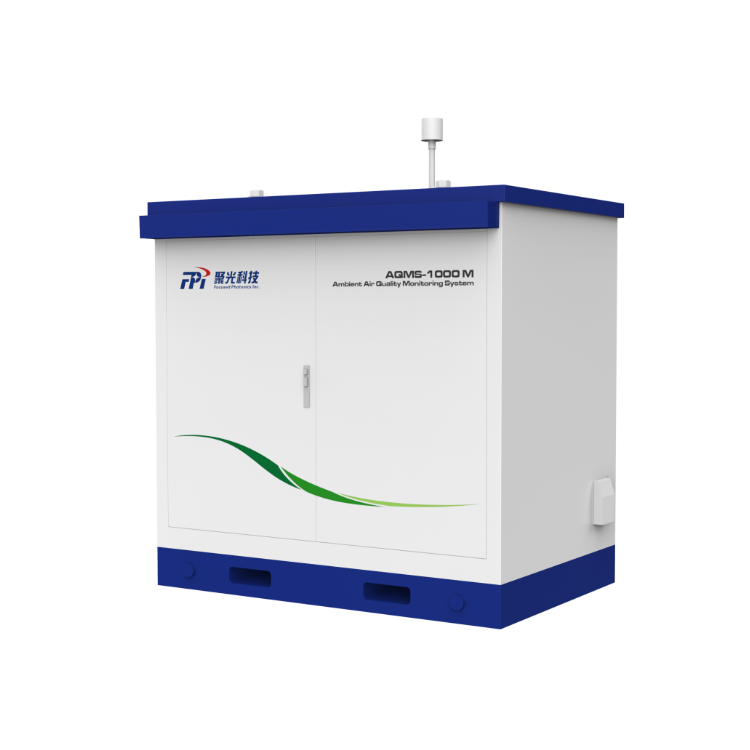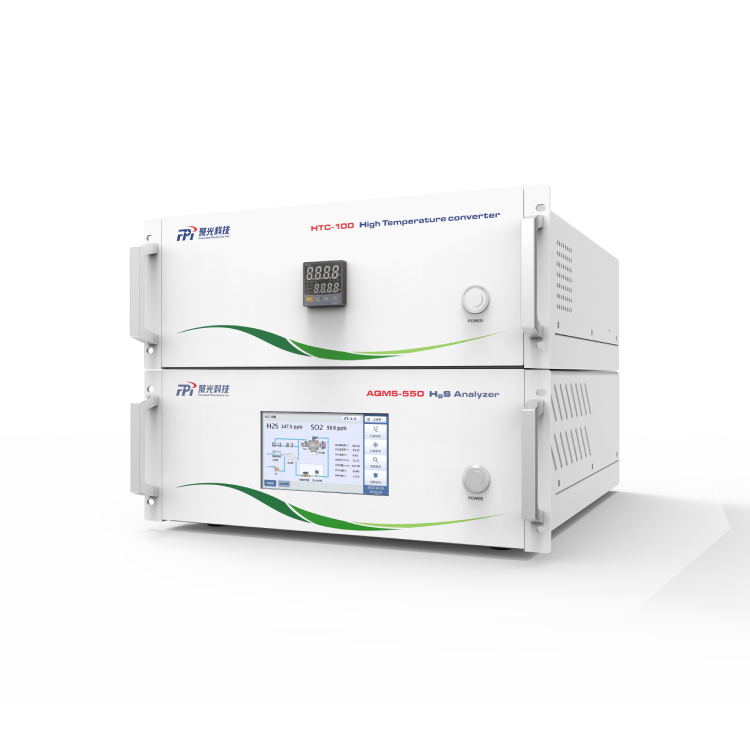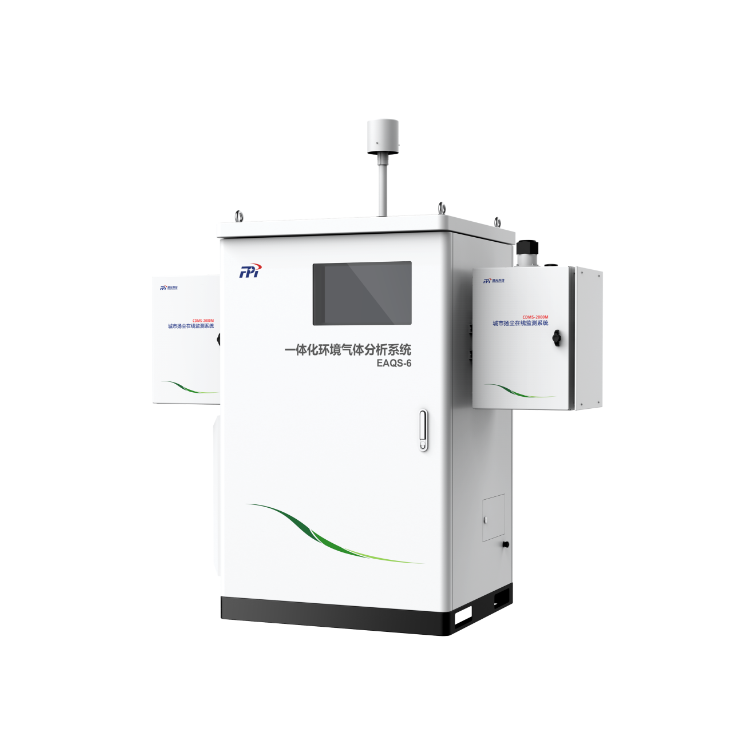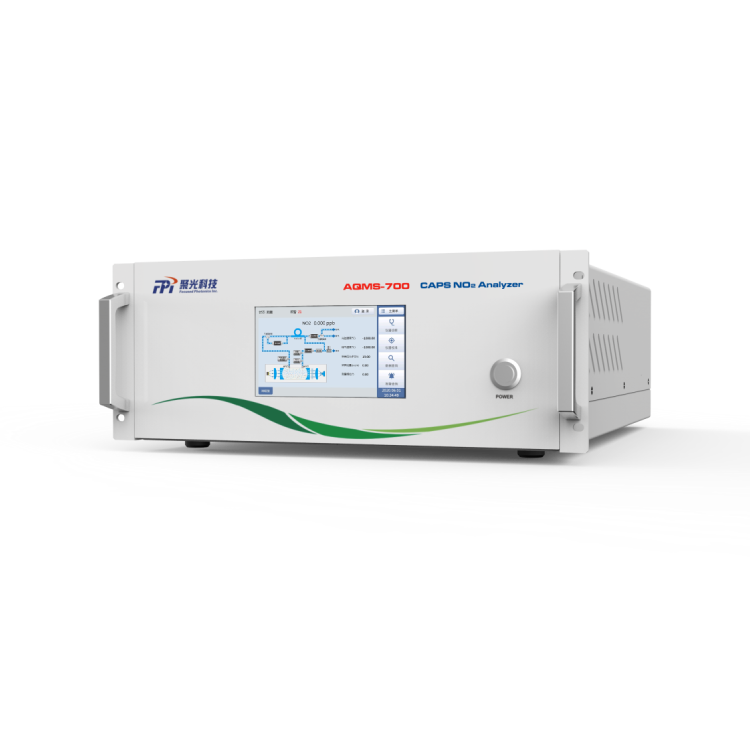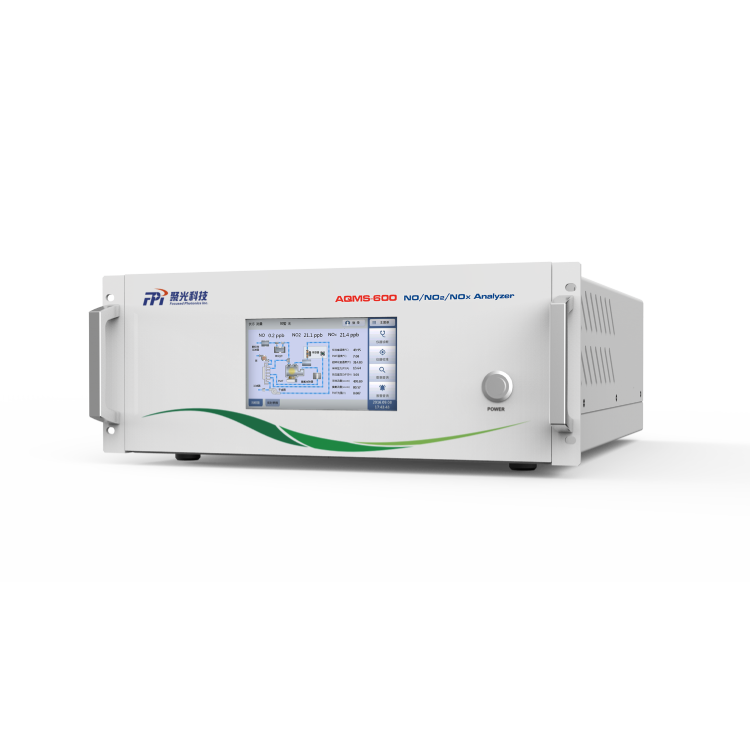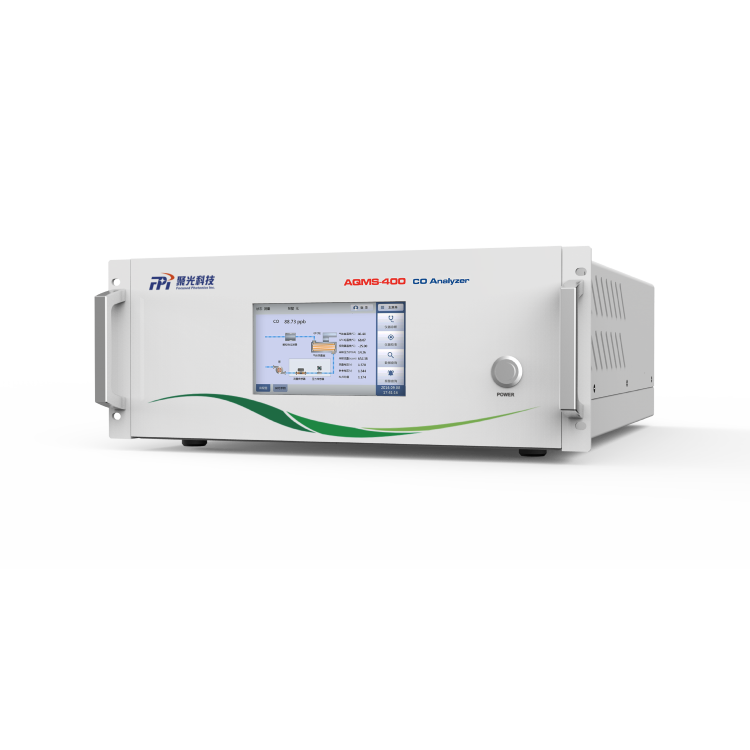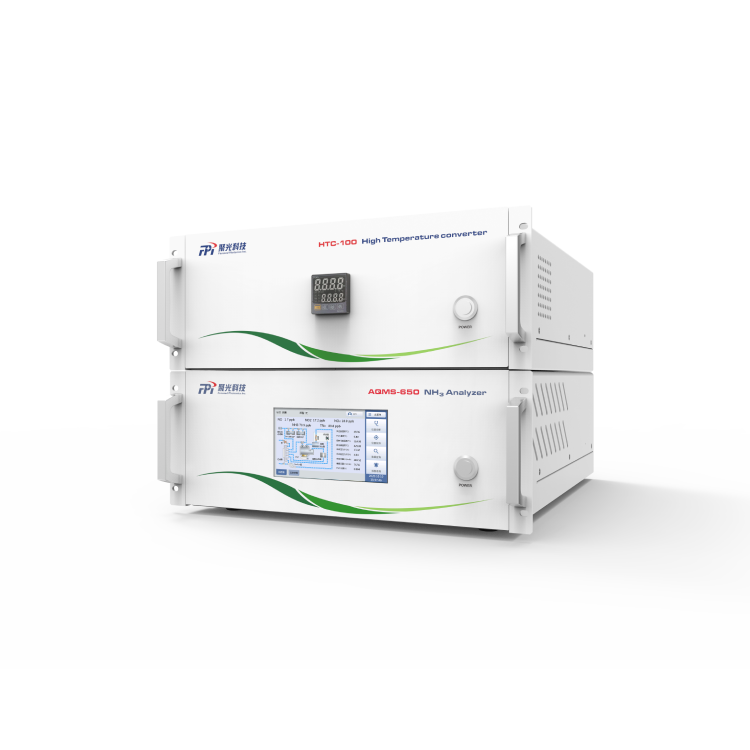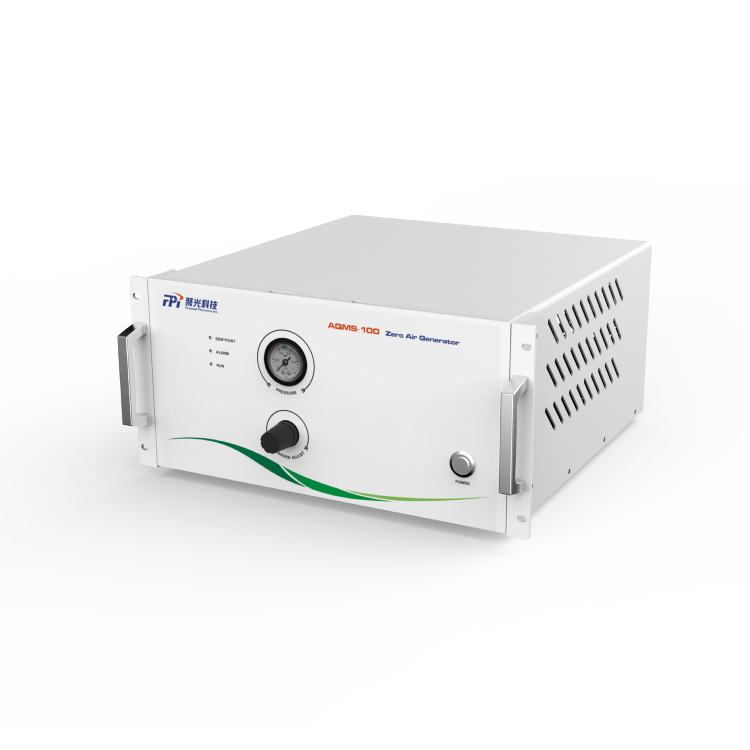
Air Quality Monitoring System

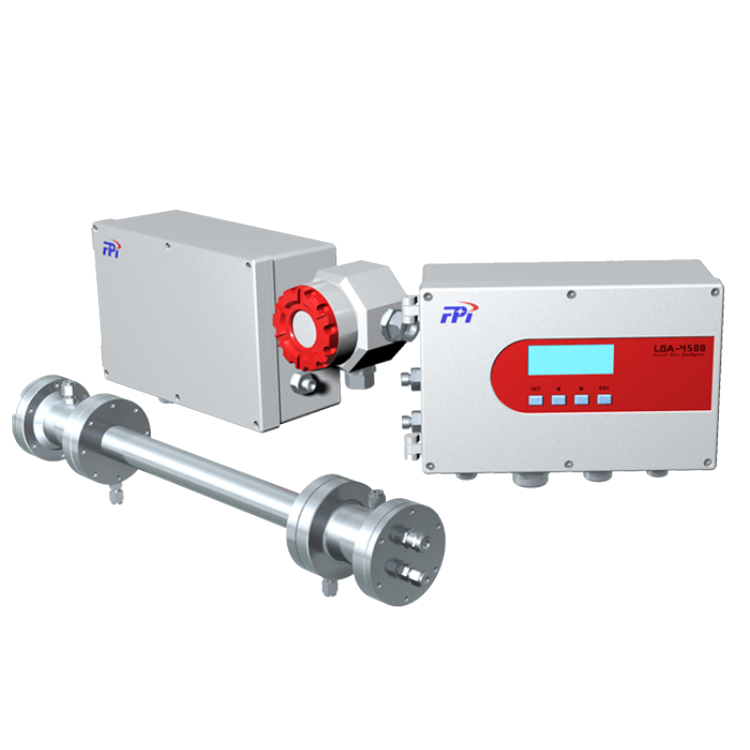
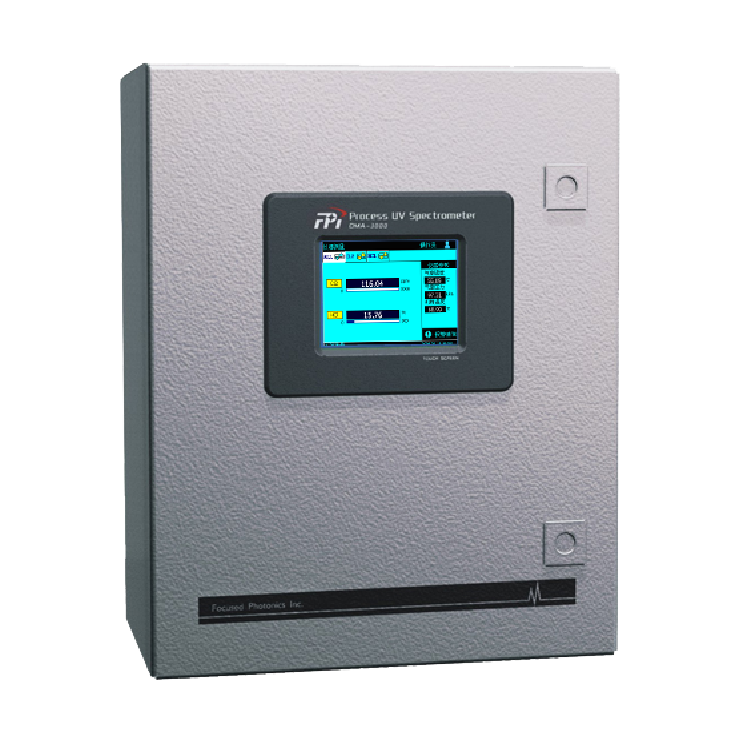
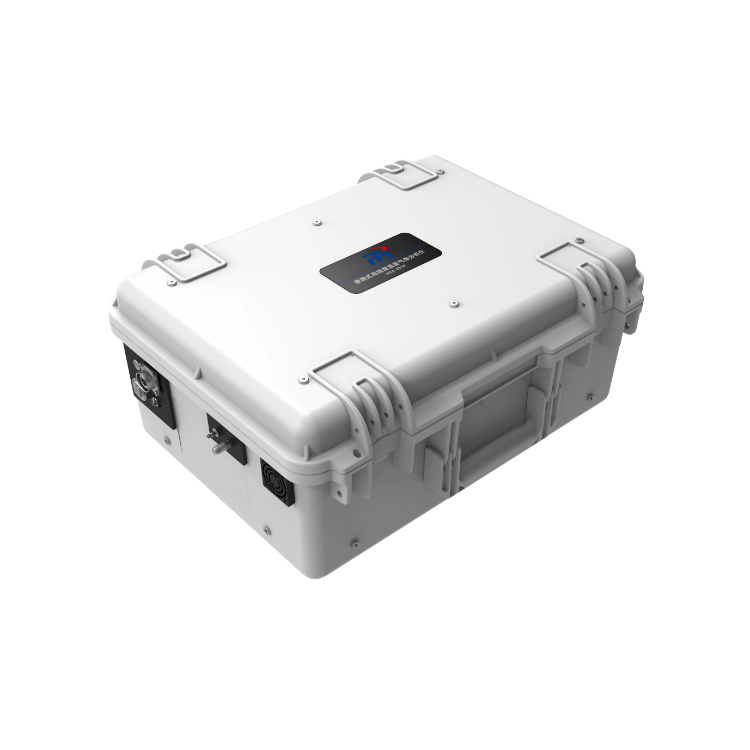
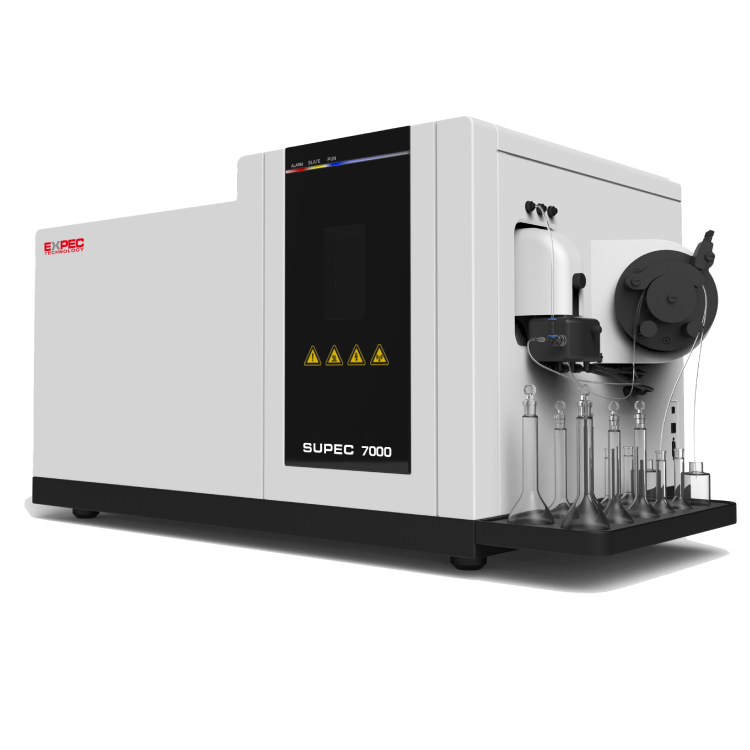
Focused Photonics Inc. (FPI) fortifies public health and environmental stewardship with its advanced Air Quality Monitoring Systems, delivering real-time insights into pollutants like O3, CO, NO2, SO2, PM2.5, and VOCs. Our AQMS series integrates UV, IR, and laser-based technologies for urban, industrial, and rural air surveillance, ensuring compliance with global standards.

Air Quality Analytics: Principles of Pollutant Detection

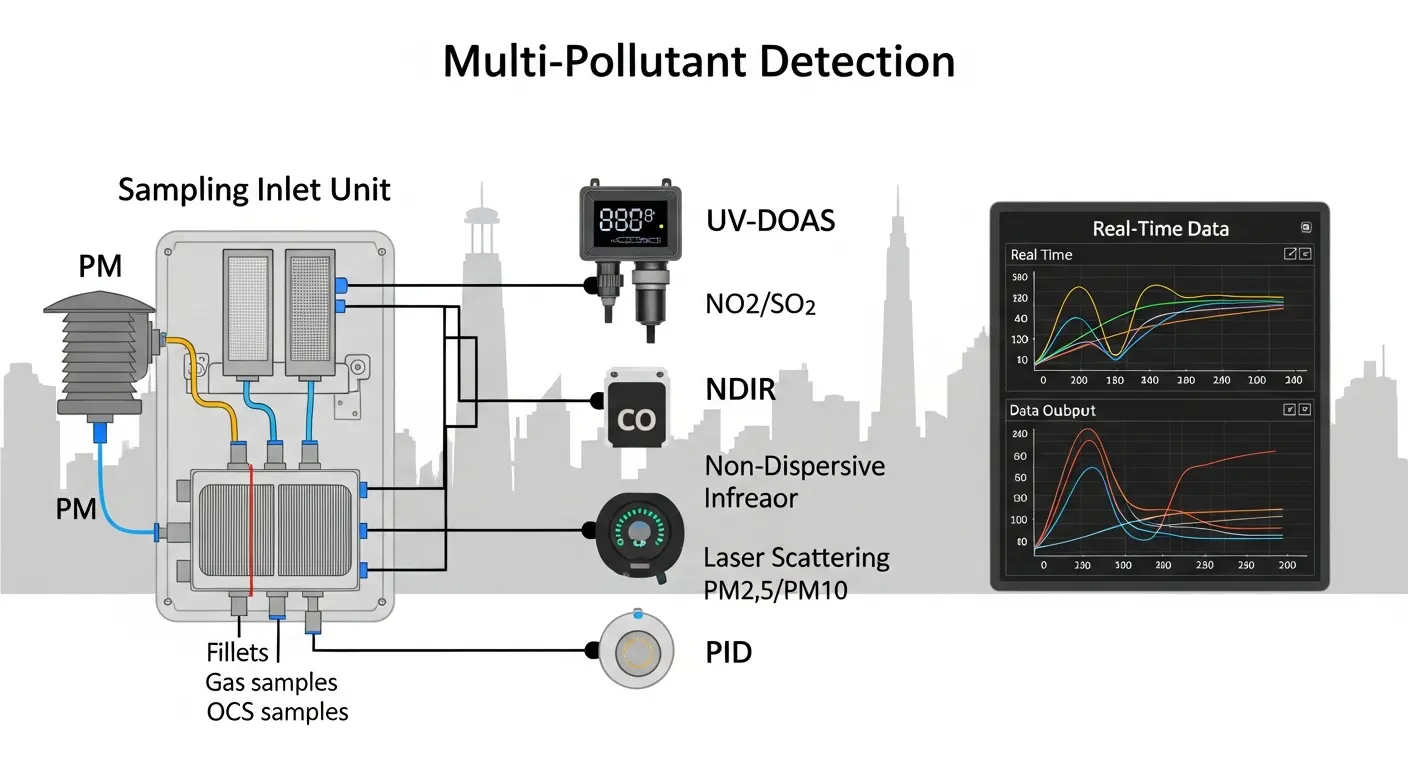
Air quality monitoring quantifies atmospheric pollutants using a suite of optical and electrochemical techniques to measure gas and particulate concentrations. FPI’s AQMS systems employ UV Differential Optical Absorption Spectroscopy (DOAS) for NO2/SO2, Non-Dispersive Infrared (NDIR) for CO/CO2, laser scattering for PM2.5/PM10, and photoionization (PID) for VOCs, achieving sensitivities down to 1 ppb.

Rooted in early UV photometry, modern systems integrate IoT for real-time telemetry and machine learning for source apportionment. FPI optimizes with multi-wavelength calibration and temperature-stabilized optics, ensuring <2% drift per WHO guidelines. In 2025’s hyperlocal air quality push, our stations support mobile apps for citizen science and API feeds for smart city grids, reducing urban exposure risks by 20%.

FPI AQMS in Global Networks

FPI's systems fortify 6,000+ monitoring stations, with 1,500+ units deployed annually, shaping cleaner skies worldwide.

These networks, synced via FPI’s cloud analytics, have informed 10+ national air policies, advancing SDG 11 sustainable cities.

FPI’s Air Quality Ascendancy: Precision in Every Breath

With 22 years of optical mastery, 888+ patents, and WHO-aligned calibrations, FPI’s AQMS series delivers unmatched reliability and scalability.

Multi-Pollutant Mastery
Environmental Endurance
Data-Driven Decisions
Cost-Efficient Clarity
Global Guardianship

FPI’s AQM Workflow

FPI’s systems orchestrate pollutant profiling:

  1. Ambient Intake: Multi-inlet manifolds sample gases and particulates, filtered for debris.

  2. Sensing Synergy: Parallel UV/IR/laser modules quantify concentrations, cross-verified for accuracy.

  3. Data Distillation: Edge AI filters noise, outputting AQI scores via MQTT protocols.

  4. Actionable Analytics: Dashboards visualize trends, alerting via SMS for exceedances.

This clear conduit, mapped in our sensor array schematics, ensures actionable air insights.

AQM Technologies Table: FPI’s Pollutant Precision

Technology

Pollutants

Sensitivity

Deployment

FPI Advantage

UV-DOAS

NO2, SO2, O3

0.5 ppb

Urban grids

Interference-free optics

NDIR

CO, CO2

10 ppb

Industrial sites

Dual-beam stability

Laser Scattering

PM2.5, PM10

1 μg/m³

Rural stations

Auto-calibrated sizing

PID

VOCs

1 ppb

Fenceline

Long-life UV lamps

FPI’s suite soars in 2025’s hyperlocal air demands.

Tailored Gas Chromatography Solution

From labs to industrial sites, FPI provides reliable, intelligent monitoring technology.

GHG Gazette: Six Atmospheric Answers

How do FPI AQMS systems ensure accuracy in high-dust urban environments?

Adaptive PM filters and laser recalibration maintain <3% error in 500 μg/m³ dust, per US EPA PM standards.

Neural networks model back-trajectories, identifying 85% of industrial sources using wind and concentration data.

Bluetooth apps sync citizen data to AQI maps, enabling 100,000+ daily inputs for community advocacy.

RESTful APIs feed PM/NO2 data to urban dashboards, optimizing traffic flow for 10% emission cuts.

Annual NIST-traceable gas standards and inter-station comparisons achieve <1 ppb bias for O3/SO2.

Hydrophobic inlets and dehumidified optics ensure <2% drift in 95% RH, per ASEAN air protocols.

Request Callback

If you have any questions concerning our services, please fill out the contact form below.

Send Your Inquiry Today

Fill out the form below, and we will be in touch shortly.
Contact Information
Project Details

Send Your Inquiry Today

Fill out the form below, and we will be in touch shortly.
Contact Information
Project Details