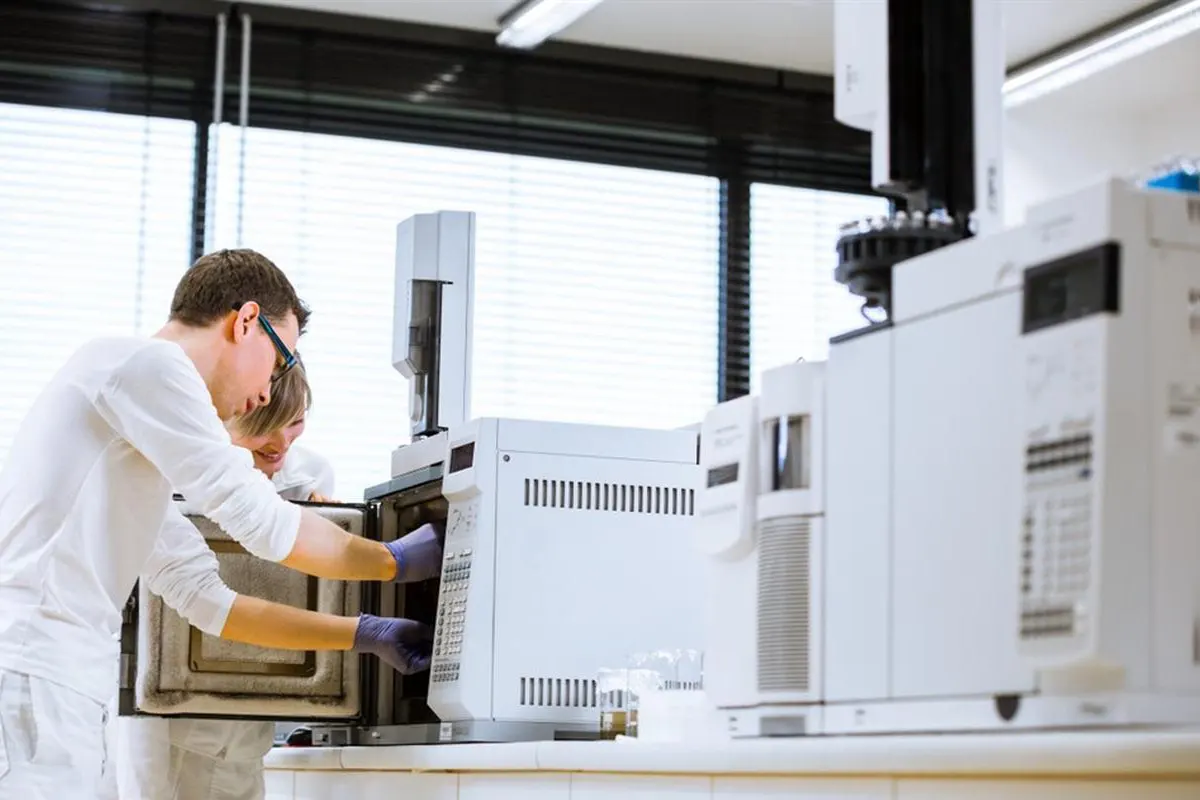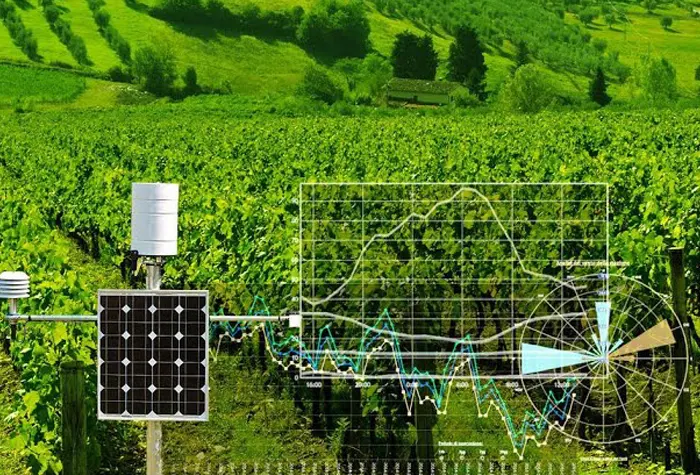
Ambient photochemical pollution monitoring system is equipped with core monitoring system such as online photochemical precursors and photolysis rates to achieve comprehensive monitoring of ozone pollution; combines the comprehensive data analysis platform to determine the situation in the ozone pollution control area, and analyze the source of VOCs; helps relevant departments to achieve continuous improvement of air quality by finely controlling ozone and VOCs emission monitoring···
Ambient photochemical pollution monitoring system is equipped with core monitoring system such as online photochemical precursors and photolysis rates to achieve comprehensive monitoring of ozone pollution; combines the comprehensive data analysis platform to determine the situation in the ozone pollution control area, and analyze the source of VOCs; helps relevant departments to achieve continuous improvement of air quality by finely controlling ozone and VOCs emission monitoring.
During the formulation of photochemical pollution process, various species are generated and reformed, including ozone and other oxides (such as hydrogen peroxide, aldehydes or PAN) from primary pollutants, called precursors: nitrogen oxides (NOx), non-methane volatile organic compounds (NMVOC), carbon monoxide (CO) and methane (CH4). Some of parameters are more representative for indication of seriousness of such phenomenon as these species will only exist during the formulation process which will not get any interference from background. FPI's ambient photochemical pollution monitoring system construct an atmospheric photochemical pollution monitoring network to support the formation, mechanism and process analysis of photochemical pollution.
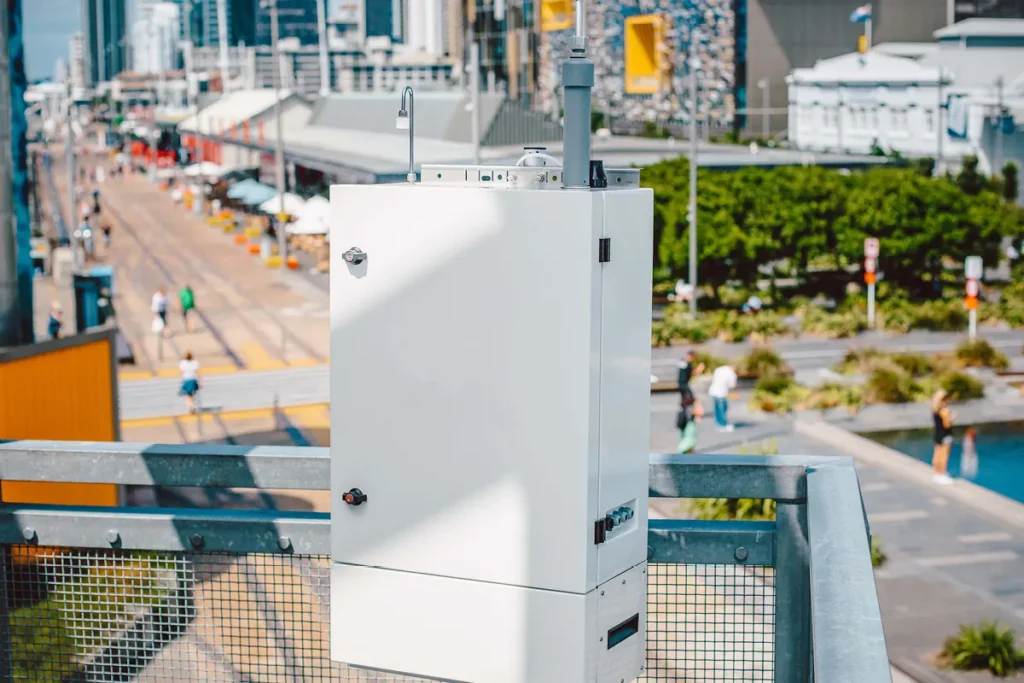
Our solutions monitor precursors, photolysis rates, and products for ozone formation analysis.
The ambient photochemical pollution monitoring system consists of two parts: application analysis platform and data collection platform.
Application Analysis Platform
The platform will finally determine the emission control area based on the monitored data, generate an O3 contribution rate chart, analyze the potential of ozone formation, analyze the VOC source resolution and pollutant characteristics.
Data Collection Platform
Photochemical Precursor Monitoring:
Process Factor Monitoring:
The analyzer is receiving solar radiation by quartz probe and transferring the radiation to spectrum via optical quartz fiber; the spectrum data will be evaluated and compared with reference data with mathematical approach and gives photolytic rate.
Characteristic Product Monitoring:
All-round Monitoring: Covers the whole process monitoring of photochemical precursors, photolysis rate and photochemical characteristic products; can meet the demands of the cause, mechanism and process analysis of photochemical pollution for research institutions and the Environmental Protection Agency.
Provide Highly Feasible Management and Control Solutions: Quantify local contributions to refine enterprise management and control.
Authoritative Analysis Method: Cooperate with Peking University to draw EKMA curve based on OBM model and RACM mechanism, which can accurately locate and efficiently reduce emissions; build VOCs online source analysis system based on the PMF model to identify the contribution rate of each industry.
Our methodical approach drives success
Assess photochemical precursors and O3 levels to identify pollution control gaps.
Configure VOC-100 and AOMS-600 for precursor monitoring, integrating EKMA/PMF platforms.
Deploy network in 4-6 weeks with training, including NOx calibration and data modeling.
Provide 24/7 remote diagnostics, algorithm updates, and 2-year warranty for 99% uptime.
FPI empowers O3 control with precursor networks and EKMA/PMF for targeted emission reductions.
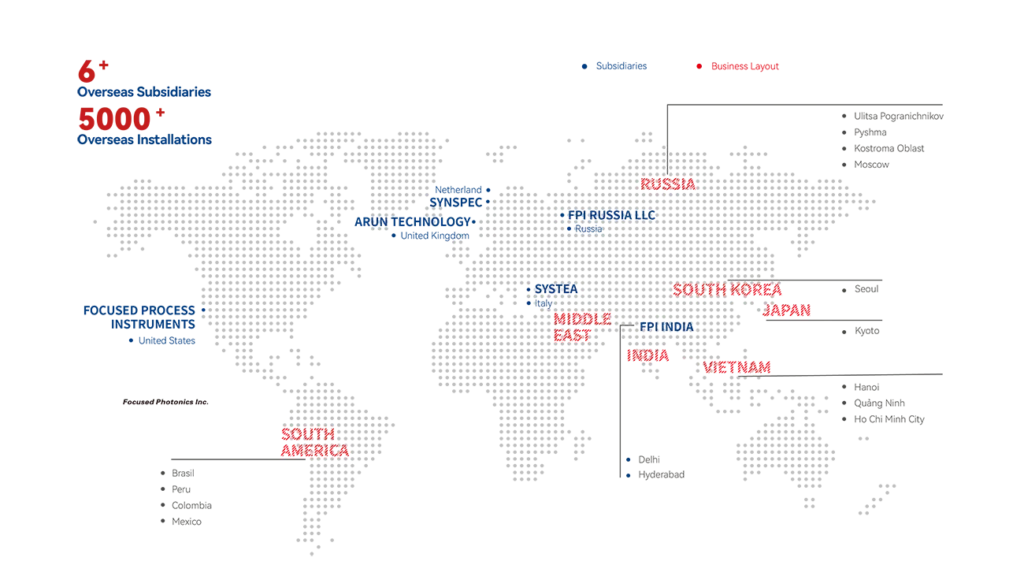
Additional metrics: 20+ years in photochemical analytics, 95% customer satisfaction, equipped 120+ O3 networks globally, GC-ECD for PAN federal reference accuracy.
Send Your Inquiry Today